
The Dangers of Unpasteurized Milk Consumption
Health Risks and Expert Insights
Introduction
However, while every trend in health comes with time, the debate is on raw milk consumption. Its many health advantages have been cited by proponents, but severe warnings against health risks due to consuming unpasteurized milk have been issued by the medical experts. Here we will discuss more dangers in drinking fresh, unpasteurized milk backed with scientific research and what an expert says to answer every question that may come forth in making decisions.
What is unpasteurized milk?
Raw milk is the term used to describe unpasteurized milk. This is milk that is not sterilized at high temperatures through pasteurization—a heat treatment method introduced by Louis Pasteur during the 19th century that killed germs found in milk, hence ensuring safer and longer shelf life. The proponents of raw milk believe its nutritional levels reduce through processing; indeed, they suggest that it has higher values of vitamins, enzymes, and bacteria as compared with processed milk. Consumers believe raw milk will maintain gut health, a stronger immune system, and better taste. However, it comes at a price—to the health.
Health Risks of Raw Milk
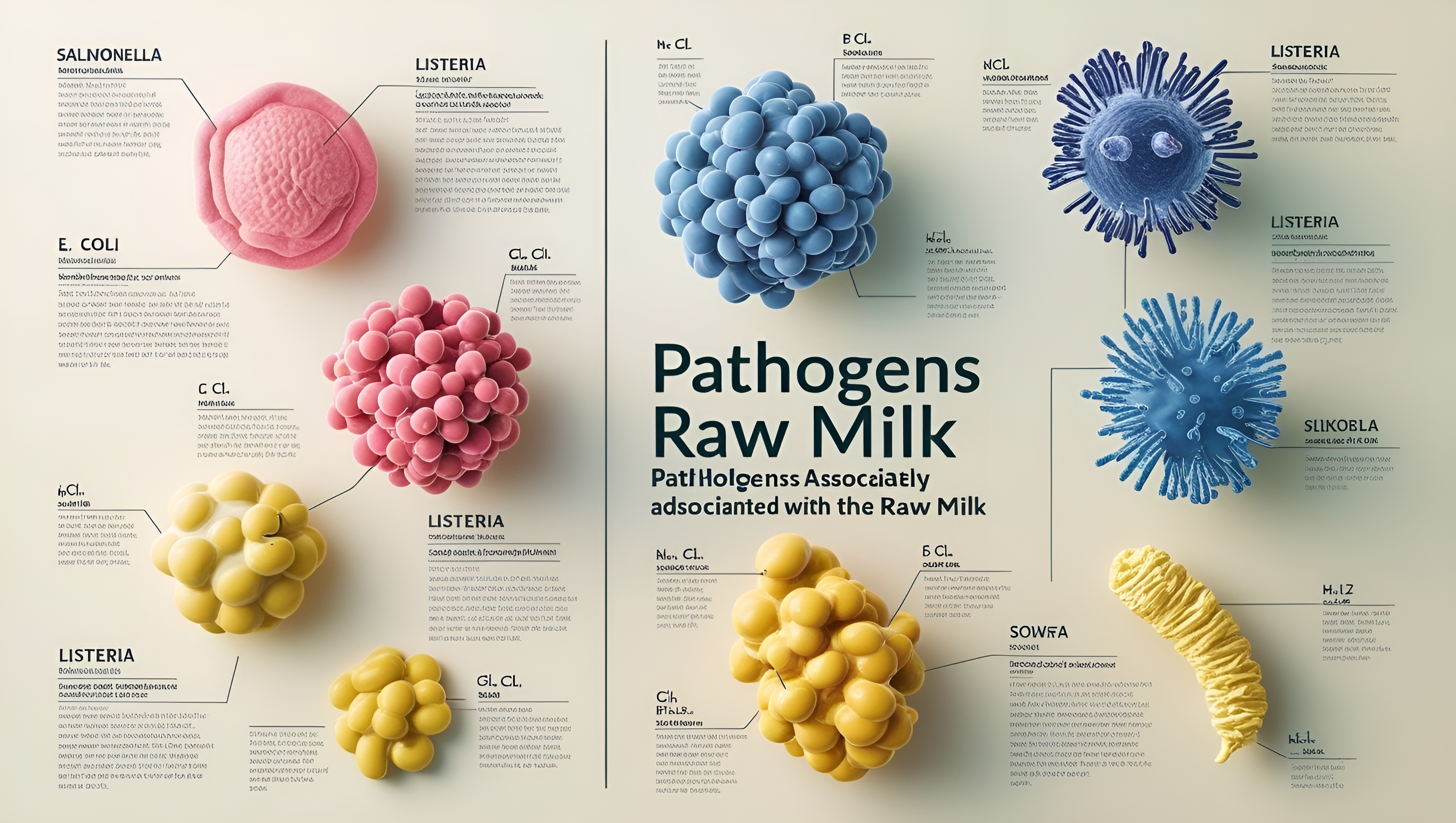
Raw milk is quite nutritional, but it can also be contaminated with harmful bacteria and pathogens that will cause serious illness. Pathogens in raw milk include Salmonella, Listeria, Escherichia coli, Campylobacter, and Brucella. Each type of bacteria has health implications:
E. coli: The symptoms this bacterium causes vary from mild gastrointestinal distress to life-threatening kidney disease known as hemolytic uremic syndrome.
Listeria: This is particularly dangerous to pregnant women, young children, older adults, and anyone with weakened immune systems. Listeria can cause miscarriage, stillbirth, and severe infection in newborns.
Salmonella: Salmonella is a leading cause of food poisoning. Its symptoms include diarrhea, abdominal cramps, and fever that may be high enough to necessitate hospitalization.
Campylobacter: Other bacteria that can cause food-borne diseases include Campylobacter, which results in the symptoms of diarrhea and fever and abdominal pain or could lead to Guillain-Barré syndrome, a kind of rare autoimmune disorder.
Brucella: Sometimes the bacteria of Brucella lead to an infection known by the name of brucellosis. Various symptoms include fevers, joint pain, and fatigue, due to which one may complain of being unwell from time to time, which leads to chronic illness if proper treatment is not sought out.
The U.S. Centers for Disease Control and Prevention (CDC) and the World Health Organization (WHO) have reported numerous outbreaks that are attributed to the consumption of raw milk. These outbreaks usually involve severe illness, which may last for weeks or even months, depending on the pathogen involved.
Pasteurization: A Necessary Safety Measure
Pasteurization is the most common process that most milk producers around the world use to ensure the safety of milk. In the batch process, pasteurization kills most harmful bacteria by heating milk to about 161°F (72°C) for 15 seconds or to 145°F, or 63°C, for 30 minutes. It is generally believed to be an essential process in the production of milk to avoid disease outbreaks.
Common Raw Milk Myths
Most of the hoopla over raw milk is based on myth, not science. Here are a few popular myths:
"Raw Milk Is More Nutritious" True, some of the nutrients in the milk may be slightly compromised by pasteurization; however, the loss is fairly minimal. In fact, research has shown that pasteurized milk retains nearly all of the milk's nutrition: protein, calcium, and vitamins A and D.
Raw Milk Helps with Lactose Intolerance: Some raw milk advocates argue that it contains some enzymes that help digest lactose. However, the claim lacks scientific evidence to support it. Lactose intolerance can cause uncomfortable symptoms in both raw and pasteurized milk.
Raw milk supports gut health: Although raw milk contains more live bacteria, it also harbors pathogens that can outweigh any benefit. For those who want to improve gut health, pasteurized milk with added probiotics or fermented dairy products like yogurt are safer options.
Raw Milk Boosts Immunity: Raw milk harbors certain enzymes and antibodies, some think, and this boosts the immunity. Meanwhile, exposure to dangerous pathogens may jeopardize immune health.
Which groups are more susceptible?
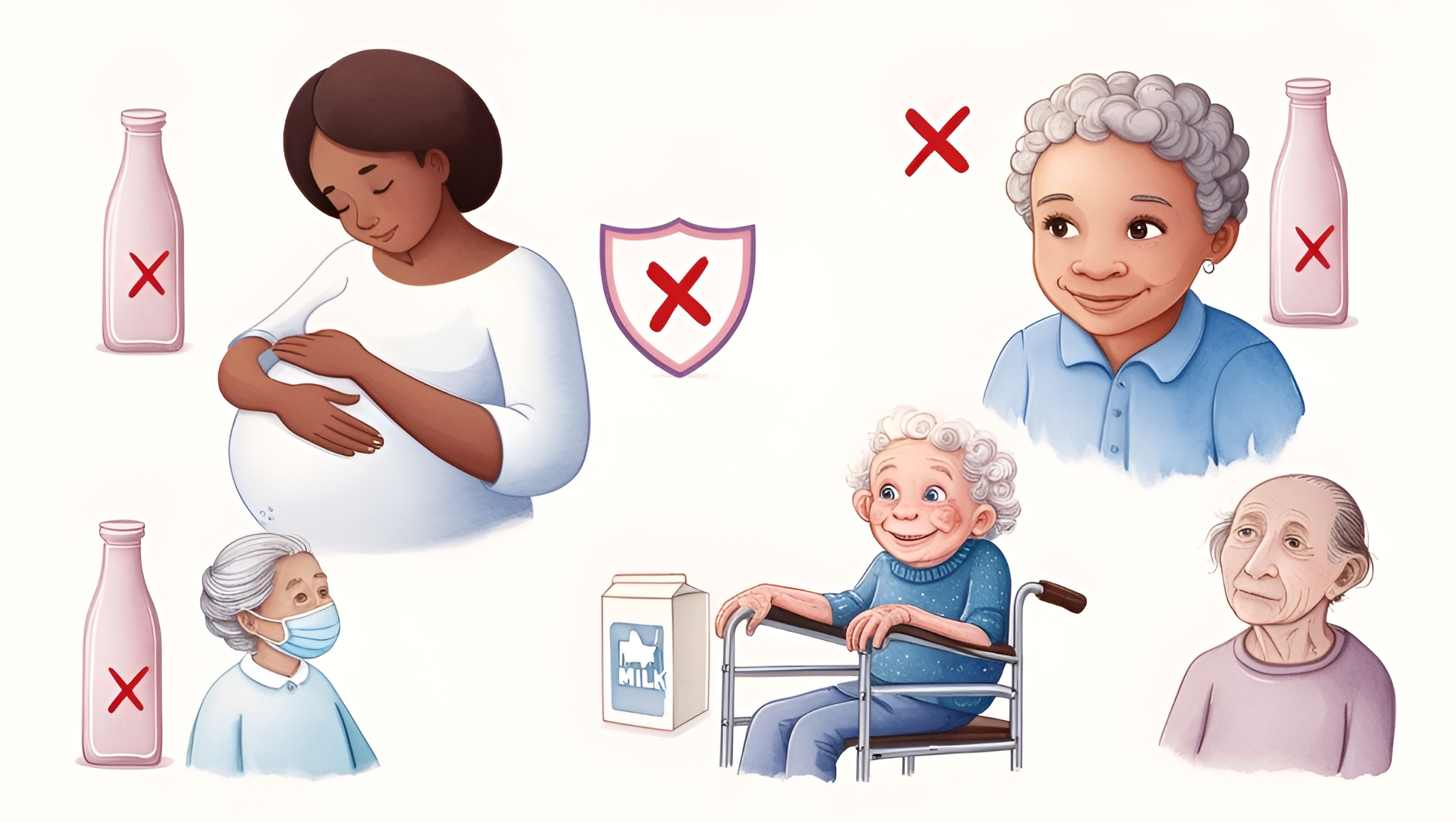
Foodborne illness from raw milk can pose a greater threat to specific groups:
Pregnant Women: Listeriosis can be pretty dangerous to pregnant women. In some cases, this can cause miscarriage or can affect the baby in any way.
Young Children and Infants: A child's immune system is developing at such stages. This makes children much more vulnerable to infections compared to adults at younger ages.
Elderly: Aging does weaken the immune system, and henceforth, more elderly persons are more susceptible to infections.
At risk are immunocompromised people, for example, cancer patients and organ transplant recipients, since their immune systems are weak.
Raw milk-related illnesses: a growing problem
The CDC reports a growing number of foodborne illness outbreaks associated with the consumption of raw milk. A 2012 study appearing in Emerging Infectious Diseases demonstrated that the rate of outbreaks among products containing raw milk was 150 times that of those containing pasteurized milk. With the resurgence of interest in "natural" foods, consumption of raw milk has regained popularity, but along with it comes an increased incidence of illness. While individual cases are a concern, raw milk can also contribute to broader public health issues since infections may then "cascade" to others.
Raw Milk Regulation and Legal Status
Legal status: The legal status varies across countries and in the U.S. across states, though most of them allow the sale, but a few states ban its sale. Most regulations are strict in Europe; they don't sell raw milk in Canada for the risk to public health. In regions where raw milk is permitted, producers follow the rigid safety standards and often put up warning labels.
Safer Alternatives to Raw Milk
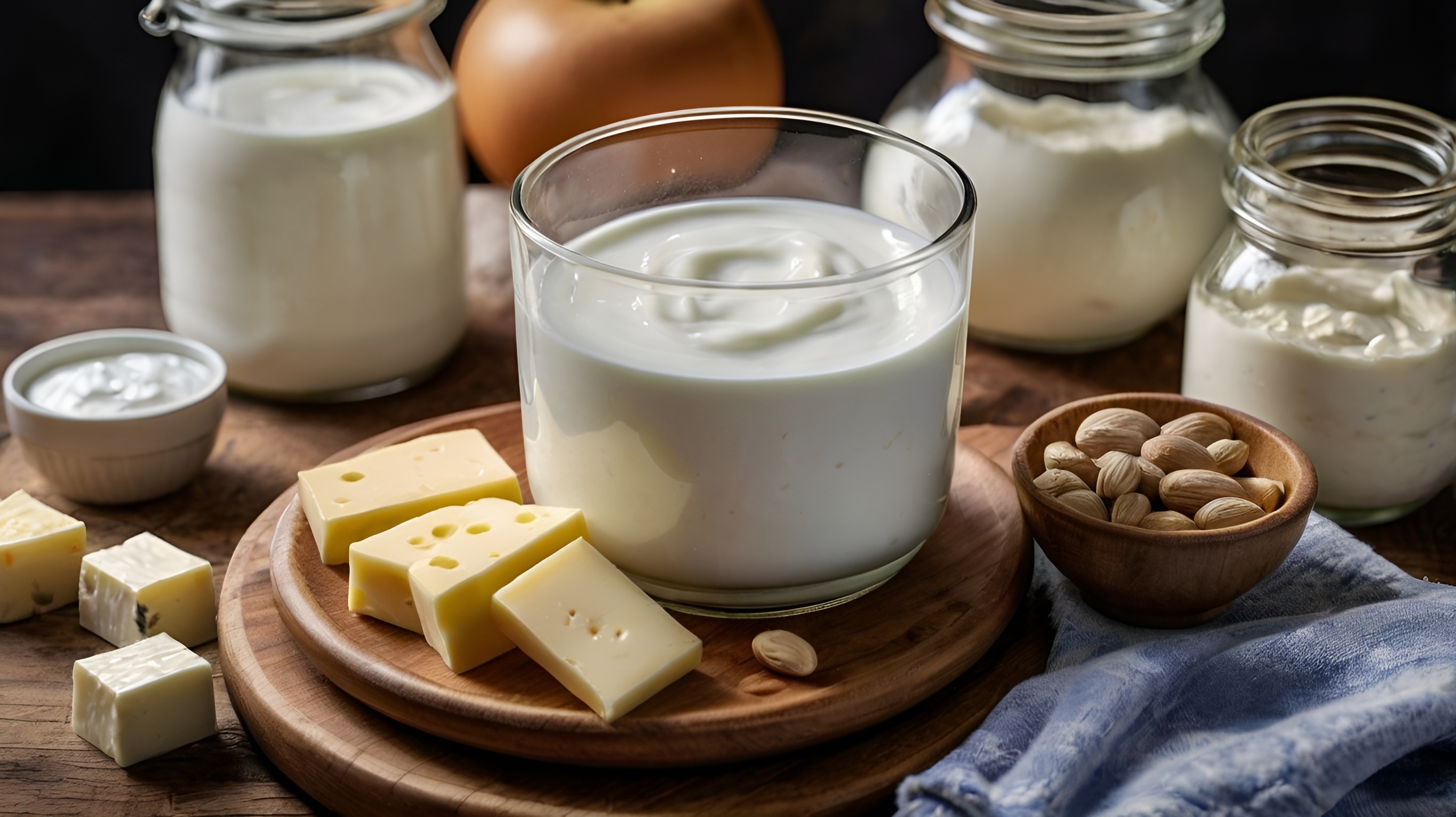
If you are considering the purported advantages of raw milk consumption, here is a safer alternative:
Raw milk has most of the good stuff that pasteurization takes away, minus those bad bacteria.
Fermented dairy products: They have yogurt, kefir, and cheese from raw milk. These provide essential beneficial bacteria for the body.
Probiotic supplements can also provide the above without the risks associated with raw milk.
Conclusion
Where there is a demand for "more natural" diets, there are health risks attached to the consumption of raw milk. The dangers of exposure to pathogens like E. coli, Listeria, Salmonella, and Campylobacter would far outweigh any unproven benefits. Once again, for the best health and safety, the medical community recommends pasteurized milk products, which retain most of the nutrients and provide a safe substitute for raw milk.
Decisions informed with knowledge about health would therefore be essential. A clear understanding of the risk factors and alternatives to consuming raw milk will lead a person to a choice aligned with health goals and safety.
About the Creator
Pradeep Mangal
Hi! I'm passionate about writing and telling stories, sharing insights with fellow thinkers. Join me in this journey of words and ideas.
Enjoyed the story? Support the Creator.
Subscribe for free to receive all their stories in your feed.
Comments
There are no comments for this story
Be the first to respond and start the conversation.