
The Complexity of Neural Networks
Understanding the Intricacies of Brain Connectivity
Introduction:
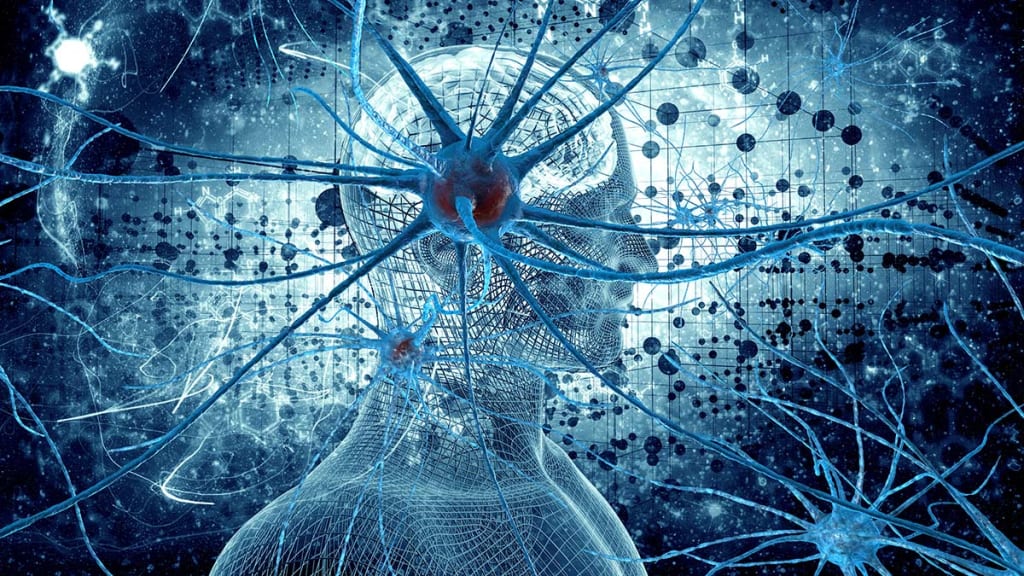
The human brain, a marvel of complexity, contains billions of neurons interconnected through an intricate network. This neural network, composed of trillions of connections, forms the basis of all our thoughts, behaviors, and experiences. Understanding the intricacies of brain connectivity is a fundamental pursuit in neuroscience, as it holds the key to unraveling the mysteries of cognition, perception, and consciousness. In this article, we delve into the complexity of neural networks and explore the remarkable mechanisms that underlie brain connectivity.
The Architecture of Neural Networks:
At the core of brain connectivity lies the architecture of neural networks. The brain can be conceptualized as a vast web of interconnected regions, each specialized for different functions. These regions, such as the prefrontal cortex, the hippocampus, and the visual cortex, communicate and collaborate to process information and perform complex tasks. The connectivity patterns between these regions determine the flow of information, enabling efficient communication and coordination.
The Cellular Machinery: Neurons and Synapses:
Neurons, the building blocks of the brain, play a vital role in brain connectivity. These highly specialized cells receive, process, and transmit electrical and chemical signals. Neurons communicate with each other through synapses, tiny junctions where electrical impulses are converted into chemical signals. Synapses act as the bridges that connect neurons, forming the intricate pathways of neural networks. The strength and plasticity of synapses are crucial in shaping the connectivity patterns of the brain.

Wiring the Brain: Development and Plasticity:
The formation of brain connectivity begins during early development and continues throughout life. Initially, the brain's wiring is sculpted through genetic instructions, but it is further refined by experience and environmental influences. This phenomenon, known as synaptic plasticity, allows the brain to adapt and reorganize its connections in response to learning, memory, and environmental changes. The delicate balance between stability and plasticity ensures the optimal functioning of neural networks.
Mapping Brain Connectivity:
Advancements in neuroimaging techniques have revolutionized our ability to map brain connectivity. Methods such as functional magnetic resonance imaging (fMRI) and diffusion tensor imaging (DTI) provide insights into the functional and structural connections within the brain
The Building Blocks of Connectivity:
At the heart of brain connectivity lies the remarkable neuron, the basic building block of the nervous system. Neurons communicate with one another through specialized connections called synapses. These synapses allow electrical and chemical signals to flow, enabling information transmission within the brain. The sheer number of neurons and their connections creates an astonishingly complex network, giving rise to the brain's capabilities.
Mapping the Connectome:
To comprehend the intricacies of brain connectivity, researchers have undertaken the ambitious task of mapping the connectome—the complete wiring diagram of the brain. Advances in neuroimaging techniques, such as diffusion tensor imaging (DTI) and functional magnetic resonance imaging (fMRI), have revolutionized our ability to visualize and analyze neural connections. By examining the connectome, researchers aim to uncover the organizational principles that govern brain function, identify key hubs of communication, and understand how different regions of the brain interact and collaborate.
Functional Connectivity: Unveiling Brain Networks:
Beyond structural connections, functional connectivity offers insights into how different brain regions synchronize their activity during various tasks and states. Functional connectivity studies have revealed the existence of distinct brain networks, each responsible for specific functions such as attention, memory, language, and emotion regulation. These networks, like the Default Mode Network and the Salience Network, interact dynamically, allowing the brain to seamlessly integrate information and adapt to the ever-changing demands of the environment.
Conclusion:
The complexity of neural networks and the intricacies of brain connectivity remain at the forefront of neuroscience research. By unraveling the mysteries of brain connectivity, we gain invaluable insights into how the brain functions, adapts, and malfunctions. As our understanding deepens, we move closer to harnessing this knowledge for clinical applications and unlocking the full potential of the human brain.
About the Creator
Enjoyed the story? Support the Creator.
Subscribe for free to receive all their stories in your feed.
Comments
There are no comments for this story
Be the first to respond and start the conversation.