
The Challenges of Education Inequality and How to Overcome Them
Closing the Education Gap: Overcoming Inequality for a Brighter Future

Introduction
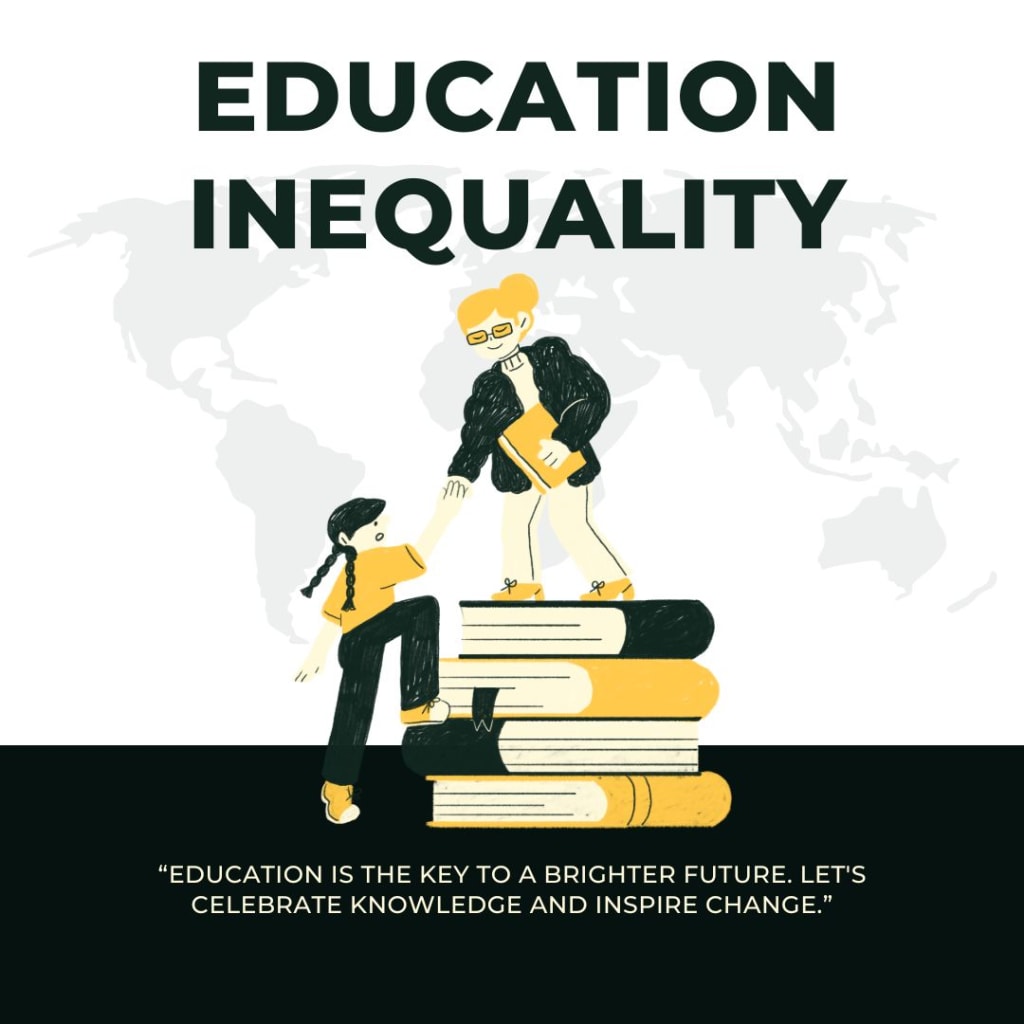
Education is the backbone of any thriving society. But what happens when access to quality education isn’t equal for everyone? Education inequality remains one of the most pressing issues worldwide, limiting opportunities for millions of children and perpetuating cycles of poverty. Unequal access to education creates a divide between the privileged and the underprivileged, often leading to a lifetime of disparity in opportunities.
Despite progress in many countries, marginalized communities, rural populations, and low-income families continue to struggle with accessing quality education. This issue is further exacerbated by outdated policies, underfunded schools, and a lack of skilled educators in disadvantaged regions.
So, how do we address this challenge and create a more level playing field for all learners? Let’s dive into the causes, impacts, and potential solutions to education inequality.
Understanding Education Inequality
Education inequality refers to the unequal distribution of academic resources, including funding, experienced teachers, and technology, across different groups of students. This disparity often affects those from low-income backgrounds, marginalized communities, and rural areas, limiting their opportunities for success.
For example, in some parts of the world, children walk miles to school only to find overcrowded classrooms and outdated materials. Meanwhile, students in wealthier regions enjoy state-of-the-art facilities and abundant resources. This stark contrast highlights the urgent need for change. So, Assignment Help services can sometimes bridge this gap by providing additional support to students who lack adequate learning resources.
Historically, education inequality has been linked to systemic discrimination, social hierarchies, and economic structures that favor the privileged. While many governments have taken steps to bridge this gap, persistent social and economic disparities continue to fuel education inequality today.
Causes of Education Inequality
Socioeconomic Factors
Families with lower incomes often struggle to provide the necessary resources for their children’s education. Lack of nutritious food, inadequate healthcare, and financial instability can all negatively impact academic performance.
Geographic Disparities
Urban schools typically receive better funding and more qualified teachers compared to rural schools. Students in remote areas often lack access to quality education, widening the gap between urban and rural learners.
Quality of Schools and Resources
Not all schools are created equal. Many public schools in low-income neighborhoods have outdated textbooks, overcrowded classrooms, and insufficient funding, which severely impacts the quality of education.
Digital Divide
In today’s tech-driven world, internet access is essential for learning. However, many students from disadvantaged backgrounds lack reliable internet or access to digital devices, putting them at a significant disadvantage.
Discrimination and Systemic Biases
Students from minority groups often face barriers due to racial, gender, and disability-related discrimination, limiting their access to quality education opportunities.
Impact of Education Inequality
Education inequality affects both individuals and society as a whole.
- On Individuals: Students from underprivileged backgrounds face limited career opportunities, lower incomes, and higher dropout rates.
- On Society: A lack of education leads to economic instability, higher crime rates, and reduced innovation, ultimately hindering national growth.
Challenges in Addressing Education Inequality
Despite awareness of the problem, tackling education inequality is no easy feat. Some of the biggest hurdles include:
- Lack of funding: Many governments struggle to allocate sufficient resources to education.
- Policy gaps: Weak or inconsistent education policies hinder progress.
- Cultural and social biases: Gender discrimination, racial disparities, and other biases continue to create barriers to education.
Solutions to Overcome Education Inequality
Government Initiatives and Policies
Strong policies, such as free education programs and equitable school funding, can help bridge the gap between privileged and underprivileged students. Governments can also collaborate with organizations that provide Assignment Help services to support struggling students.
Investing in Teachers and Schools
Training teachers and improving school infrastructure ensures that every child receives a high-quality education. Providing continuous professional development for educators can improve teaching standards in disadvantaged areas.
Bridging the Digital Divide
Providing access to digital devices and internet connectivity is crucial for ensuring equal learning opportunities in the modern era. Many organizations now offer Assignment Help through online platforms to assist students who lack access to traditional learning resources.
Encouraging Community Involvement
Local communities play a vital role in supporting education through mentorship programs, donations, and volunteer work. Schools, parents, and local businesses can work together to create learning opportunities for all children.
Scholarships and Financial Aid
Financial support programs can help students from disadvantaged backgrounds pursue higher education and achieve their dreams. Scholarships and grants can reduce the financial burden on families and increase access to quality education.
The Role of Technology in Reducing Education Inequality
Technology has the power to transform education by:
- Offering online courses for remote learners.
- Providing AI-driven personalized learning experiences.
- Enabling global collaboration through virtual classrooms.
- Supporting students with Assignment Help tools that provide instant feedback and guidance.
Conclusion
Education inequality is a complex challenge, but it is not insurmountable. Through targeted policies, investments in technology, and community involvement, we can work towards a future where every child has access to quality education. After all, knowledge is power—and everyone deserves a fair shot at success.
About the Creator
Native Assignment help
In the UK, Native Assignment Help provides top-quality academic writing services, including assignments, dissertations, coursework, and essays. We ensure plagiarism-free, well-researched solutions to support UK students.
Enjoyed the story? Support the Creator.
Subscribe for free to receive all their stories in your feed.
Comments
There are no comments for this story
Be the first to respond and start the conversation.