
The Benefits of Urban Green Spaces
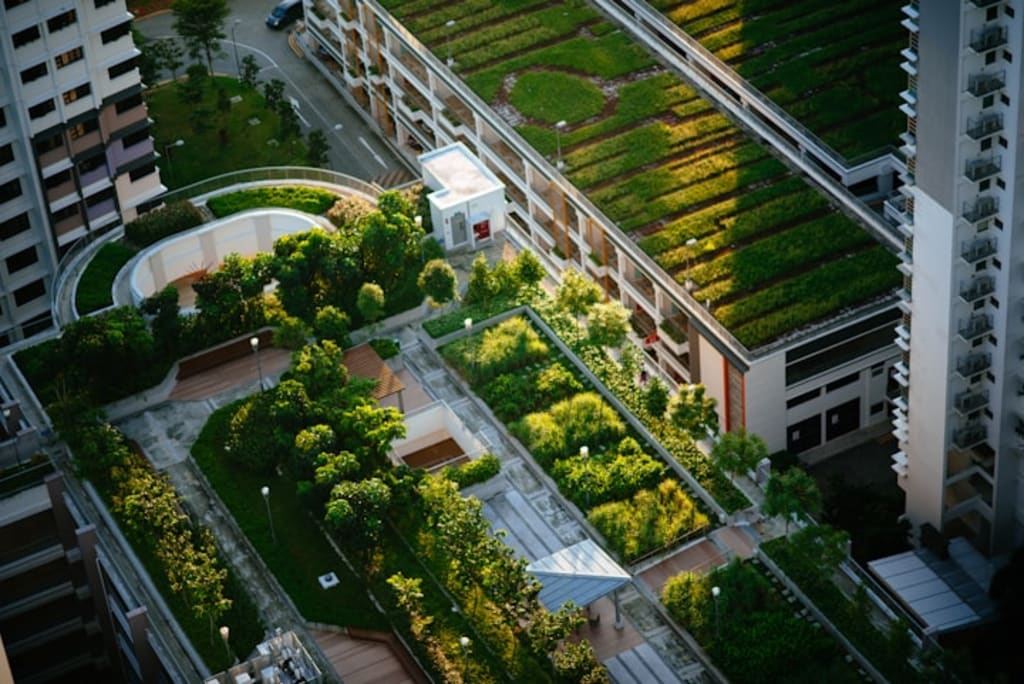
In today’s rapidly growing cities, urban green spaces have become more important than ever. These spaces, including parks, gardens, and nature reserves, serve as the lungs of a city. They offer environmental, social, and economic benefits that contribute to the overall well-being of residents. As cities continue to expand, it is crucial to prioritize and maintain these green areas to ensure a sustainable and livable urban environment.
1. Improved Air Quality
One of the most significant benefits of urban green spaces is their ability to improve air quality. Trees and plants absorb carbon dioxide and release oxygen, making the air fresher and healthier. They also filter harmful pollutants such as nitrogen dioxide and particulate matter, which are commonly found in cities due to vehicle emissions and industrial activities. By reducing air pollution, green spaces help lower the risk of respiratory diseases such as asthma and lung infections.
In addition to absorbing pollutants, trees also help control dust and smoke. Their leaves and branches trap airborne particles, preventing them from circulating in the atmosphere. This is particularly important in densely populated areas where air pollution levels are high.
2. Stress Reduction and Mental Well-being
Living in a city can be overwhelming, with constant noise, traffic, and the pressures of modern life. Urban green spaces provide a much-needed escape from this chaos, offering a peaceful and calming environment. Studies have shown that spending time in nature can reduce stress, anxiety, and depression. The presence of greenery has a soothing effect on the mind, helping individuals feel more relaxed and refreshed.
Furthermore, exposure to natural environments has been linked to improved concentration and cognitive function. People who spend time in parks and gardens often report feeling more focused and energized. This is particularly beneficial for students and working professionals who need a break from their busy schedules.
3. Encouraging Physical Activity
Green spaces encourage people to engage in physical activities such as walking, jogging, cycling, and playing sports. Regular physical activity is essential for maintaining good health, as it reduces the risk of obesity, heart disease, diabetes, and other lifestyle-related illnesses.
Many urban parks are equipped with jogging tracks, open gym areas, and playgrounds, making them ideal places for exercise. Families with children also benefit, as kids can play in a safe and natural environment instead of spending excessive time on screens. The presence of green spaces promotes an active lifestyle and helps communities lead healthier lives.
4. Supporting Biodiversity
Urban green spaces serve as important habitats for various species of birds, insects, and small animals. In cities dominated by concrete and asphalt, these green areas provide shelter and food for wildlife. Birds find nesting spaces in trees, while bees and butterflies contribute to pollination, helping plants thrive.
Biodiversity is essential for maintaining ecological balance. Without green spaces, many species would struggle to survive in urban areas. By preserving and expanding green zones, cities can protect biodiversity and create environments where humans and wildlife coexist harmoniously.
5. Climate Control and Cooling Effects
The urban heat island effect is a major concern in many cities. This phenomenon occurs when concrete buildings and asphalt roads absorb and retain heat, leading to higher temperatures. Green spaces help counteract this effect by providing shade and cooling the surrounding areas.
Trees and grass-covered surfaces absorb less heat compared to concrete, reducing overall temperatures. This makes urban environments more comfortable, especially during hot summers. Additionally, plants release moisture into the air through a process called transpiration, further cooling the atmosphere.
6. Social Interaction and Community Building
Urban parks and gardens play a crucial role in bringing people together. They serve as meeting places where families, friends, and neighbors can interact and build relationships. Social connections are vital for mental and emotional well-being, and green spaces provide the perfect setting for community engagement.
Public parks often host events such as yoga classes, music concerts, and farmers' markets, encouraging people to come together and participate in communal activities. These gatherings strengthen the sense of community and create a more connected society.
7. Economic and Aesthetic Value
The presence of green spaces also has economic benefits. Properties located near parks and gardens tend to have higher real estate value compared to those in areas with fewer green spaces. Homebuyers are willing to pay more for houses with access to nature, making green areas a valuable asset for urban development.
Businesses also benefit from well-maintained parks and landscapes. Commercial areas with tree-lined streets and gardens attract more customers, as people prefer to shop and dine in pleasant environments. Green spaces enhance the overall aesthetic appeal of a city, making it more attractive for residents and visitors alike.
Conclusion
Urban green spaces are essential for creating sustainable and livable cities. They provide clean air, promote physical and mental well-being, support biodiversity, and help regulate temperatures. Additionally, they serve as community hubs where people can interact and engage in recreational activities.
As urbanization continues to grow, it is crucial for city planners and governments to invest in green infrastructure. Preserving and expanding parks, gardens, and natural reserves should be a priority to ensure a healthier and more enjoyable urban environment for future generations. A city with abundant green spaces is not just more beautiful—it is a place where people can thrive, connect, and live happier lives.
About the Creator
Enjoyed the story? Support the Creator.
Subscribe for free to receive all their stories in your feed.
Comments
There are no comments for this story
Be the first to respond and start the conversation.