
The Benefits of Kinesthetic Learning Style for Early Childhood Education
The Benefits of Kinesthetic Learning Style for Early Childhood Education
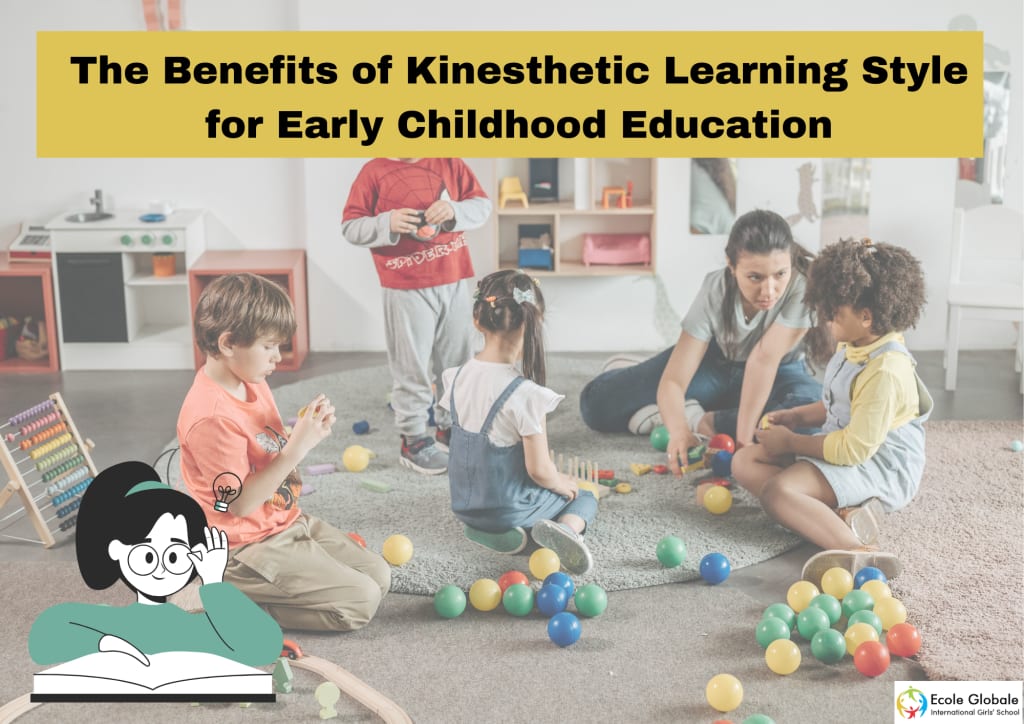
Imagine a learning environment where children are not confined to desks but are free to explore, play, and engage their senses. This is the foundation of the Kinesthetic Learning Style, a hands-on, movement-based approach that is especially beneficial in early childhood education.
With children naturally inclined to move and explore, kinesthetic learning aligns perfectly with their developmental needs. For parents and students, understanding the power of this learning style can open up new possibilities for enhanced learning experiences.
What is Kinesthetic Learning?
The Kinesthetic Learning Style involves learning through physical activity and movement. Children with this learning style thrive in environments where they can touch, feel, and actively engage with learning materials.
Instead of passively receiving information, kinesthetic learners absorb knowledge through hands-on experiences like role-playing, building, and interactive exploration.
For young children, this approach is especially effective because it mirrors their natural inclination toward play-based learning. Early childhood is a critical period for cognitive, emotional, and physical development, and kinesthetic learning offers an avenue for children to strengthen these skills simultaneously.
Why is Kinesthetic Learning Important in Early Childhood?
Enhances Cognitive Development: When children engage in physical activities like building blocks, sorting objects, or interactive play, they develop problem-solving and critical-thinking skills.
These activities stimulate different parts of the brain, fostering cognitive growth.
Encourages Active Participation: Traditional "sit and listen" methods can be challenging for young children.
Movement-based learning keeps them engaged and attentive, ensuring that they remain active participants in their own education.
Supports Multiple Learning Styles: While it caters to kinesthetic learners, this approach also benefits visual and auditory learners. Activities that combine movement, sound, and visual elements create a multi-sensory experience for all children.
Promotes Physical Health and Motor Skills: Early childhood is a vital time for motor skill development. Activities like climbing, balancing, and manipulating objects improve fine and gross motor skills, promoting overall physical well-being.
Builds Social and Emotional Skills: Group activities that require teamwork and collaboration allow children to develop social and emotional competencies. Through play, children learn how to communicate, share, and empathize with others.
Creative Kinesthetic Learning Techniques for Early Childhood
Integrating the Kinesthetic Learning Style into early childhood education requires creativity and thoughtful planning. Here are some effective teaching techniques that parents and educators can use to nurture young kinesthetic learners.
1. Sensory Play and Exploration
Sensory play allows children to explore different textures, smells, and materials. Activities like playing with sand, water, clay, or sensory bins provide a tactile experience that engages their sense of touch. These experiences support sensory processing and promote fine motor development.
2. Interactive Storytelling
Bring stories to life by allowing children to act out characters and scenes. Children can use props, costumes, and simple movements to recreate story elements. This method not only enhances comprehension but also boosts memory retention.
3. Role-Playing and Dramatic Play
Role-playing allows children to explore real-life scenarios and social interactions. Set up a "pretend" grocery store, hospital, or restaurant where children can play the roles of cashiers, doctors, or chefs. This activity encourages problem-solving, critical thinking, and social development.
4. Art and Craft Activities
Arts and crafts promote creativity and allow children to use their hands to create tangible projects. From painting and sculpting to building with recycled materials, these activities offer a sensory-rich experience that engages fine motor skills and creative thinking.
5. Movement and Action Songs
Songs with movement cues, like "Head, Shoulders, Knees, and Toes," combine physical movement with auditory learning. These action songs support memory retention and coordination while making learning fun and interactive.
6. Nature Walks and Outdoor Exploration
Taking children outside for nature walks or scavenger hunts introduces them to the natural world. They can collect leaves, observe insects, or explore textures in nature. Outdoor activities provide sensory-rich experiences while encouraging movement, curiosity, and exploration.
7. Hands-On Math and Science Activities
Instead of using worksheets, parents and educators can introduce math and science concepts through physical activities. Counting objects, measuring ingredients for simple recipes, or conducting science experiments with water and magnets make learning more engaging and memorable.
How Parents Can Support Kinesthetic Learning at Home
Parents play a significant role in supporting the Kinesthetic Learning Style at home. Here are some practical ways parents can encourage hands-on learning at home:
Create a Movement-Friendly Space: Designate an area where children can move freely and safely. Use items like balance boards, cushions, and building blocks to encourage movement-based learning.
Incorporate Play-Based Learning: Turn everyday activities into learning opportunities. Cooking, gardening, and simple household chores can teach skills like counting, sorting, and problem-solving.
Offer Hands-On Toys and Learning Tools: Toys like building blocks, puzzles, and sensory bins support kinesthetic learning. These items allow children to explore, build, and manipulate objects, promoting fine motor development.
Engage in Interactive Storytime: Act out stories with children using simple props or hand movements. This activity fosters creativity, comprehension, and language development.
Provide Outdoor Playtime: Encourage outdoor activities like climbing, running, and exploring nature. Outdoor play strengthens gross motor skills and allows children to learn through sensory experiences.
Benefits of Kinesthetic Learning for Early Childhood Education
Children who experience the Kinesthetic Learning Style during their early years benefit in multiple areas of development. This learning style supports the growth of the whole child—physically, emotionally, and cognitively.
Improved Memory and Retention: Associating movement with learning helps children retain information more effectively.
Increased Engagement and Motivation: Movement-based learning keeps children interested and engaged, reducing boredom and distraction.
Better Motor Skills: Hands-on activities support the development of fine and gross motor skills, which are essential for tasks like writing and coordination.
Stronger Problem-Solving Abilities: When children build, create, and explore, they develop critical thinking and problem-solving skills.
Enhanced Social Skills: Collaborative play and teamwork activities help children develop social-emotional competencies like empathy, sharing, and communication.
Challenges of Kinesthetic Learning in Early Childhood
While the Kinesthetic Learning Style offers many benefits, it also has challenges. Some classrooms may not have the space or resources to accommodate active learning.
Additionally, managing a group of energetic children can be demanding for educators. However, with thoughtful planning and simple adjustments, these challenges can be overcome.
For parents at home, it may be challenging to create a movement-friendly space in small living areas. The key is to incorporate simple, low-cost activities that engage children’s physical and cognitive abilities. This can be achieved with simple materials like paper, crayons, and recycled household items.
Conclusion
The Kinesthetic Learning Style is a vital approach to early childhood education that emphasizes hands-on, movement-based learning. It addresses the natural developmental needs of young children, fostering cognitive, emotional, and physical growth.
Parents and educators can support kinesthetic learners by incorporating interactive storytelling, role-playing, arts and crafts, and outdoor play into daily activities.
This learning style offers long-term benefits such as improved memory, problem-solving skills, and enhanced social-emotional development. By embracing kinesthetic learning, parents and students can embark on a more engaging, dynamic, and effective educational journey.
About the Creator
Enjoyed the story? Support the Creator.
Subscribe for free to receive all their stories in your feed.
Comments
There are no comments for this story
Be the first to respond and start the conversation.