
The Benefits of Contraceptives
How to prevent unintended pregnancy?
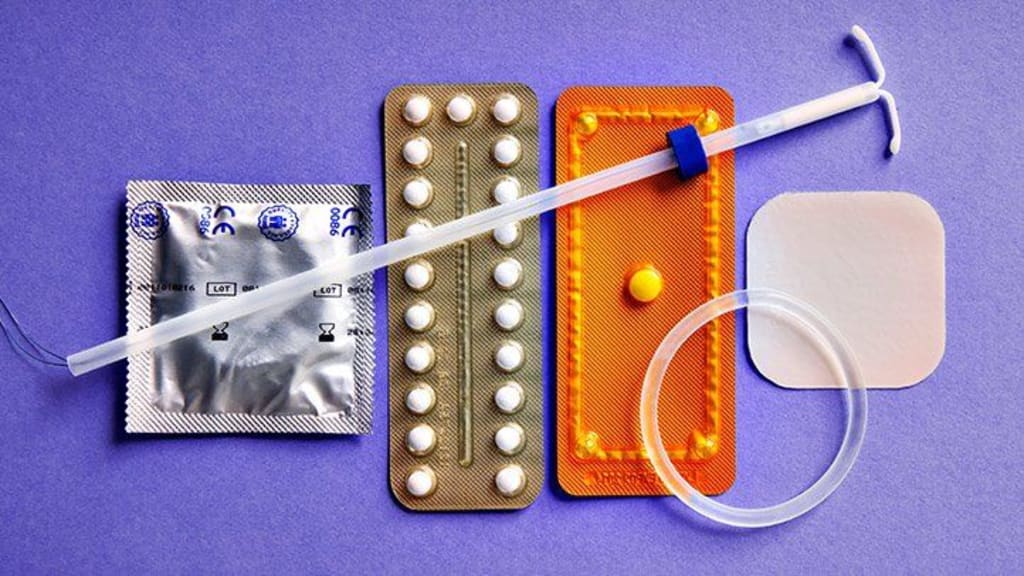
The use of contraceptives has numerous benefits for individuals, couples, and society as a whole. By providing effective methods to prevent unintended pregnancies and reduce the transmission of sexually transmitted infections (STIs), contraceptives contribute to overall reproductive health and well-being. Here are some key benefits of using contraceptives:
Prevention of unintended pregnancies: Contraceptives empower individuals to plan and space their pregnancies, ensuring that they occur at a time when they are ready physically, emotionally, and financially. This can lead to better outcomes for both parents and children, as they can be better prepared to provide care and support.
Empowerment of women: Access to contraception allows women to have control over their reproductive choices, empowering them to pursue education, careers, and personal goals. It promotes gender equality and enables women to participate fully in social, economic, and political spheres.
Improved maternal and child health: When pregnancies are planned, women can access prenatal care early, reducing the risks of complications during pregnancy and childbirth. Adequate spacing between pregnancies also allows women's bodies to recover and reduces the likelihood of preterm births and low birth weight, contributing to better infant health outcomes.
Reduction in unsafe abortions: Contraceptives help to prevent unintended pregnancies, which in turn reduces the need for unsafe abortions. When safe and legal abortion services are not accessible, contraception becomes crucial in preventing unwanted pregnancies and the associated health risks.
Prevention of STIs: Condoms and other barrier methods provide protection against sexually transmitted infections, including HIV/AIDS. Using condoms consistently and correctly can significantly reduce the risk of contracting or spreading STIs, thus promoting sexual health and preventing the spread of diseases.
Economic benefits: Planned pregnancies and smaller family sizes can have positive economic effects on individuals, families, and communities. When couples can control the timing and number of children they have, they can better allocate their resources, invest in education, and improve their economic prospects. Additionally, by reducing the number of unintended pregnancies, society can save costs associated with prenatal care, childbirth, and other healthcare expenses.
Environmental impact: With the world's population continuously increasing, responsible family planning through the use of contraceptives can help alleviate the strain on natural resources and promote sustainable development. It can contribute to reducing carbon footprints and mitigating the effects of overpopulation on the environment.
Personal and relationship benefits: Contraceptives offer individuals and couples the opportunity to have satisfying and fulfilling sexual relationships without the constant worry of pregnancy. They provide a sense of security, allowing couples to focus on emotional intimacy and the overall quality of their relationships.
Access to education: Delaying pregnancies and spacing children through contraceptive use can enable individuals, particularly young women, to pursue educational opportunities. Education is a key factor in breaking the cycle of poverty and improving overall well-being.
Overall societal benefits: Contraceptive use is associated with lower rates of teenage pregnancies, which can have long-term social and economic consequences. By reducing unintended pregnancies and promoting responsible family planning, contraceptives contribute to healthier communities, stronger economies, and improved social well-being.
Certainly! Here's an expanded version with additional benefits of using contraceptives:
Education and career opportunities for women: Access to contraception allows women to complete their education and pursue career goals. When women can control their fertility, they have the freedom to make choices about their educational and professional paths. Delaying pregnancies and having smaller family sizes enable women to participate more fully in the workforce, contribute to economic growth, and achieve greater financial independence.
Reduction in maternal mortality: Unintended pregnancies can increase the risk of maternal mortality, especially in regions with limited access to quality healthcare. By preventing unintended pregnancies, contraceptives can help reduce maternal deaths, ensuring that women have access to safe and healthy reproductive choices.
Prevention of adolescent pregnancies: Contraceptives play a crucial role in preventing adolescent pregnancies, which carry higher risks for both mother and child. By delaying pregnancies until individuals are emotionally and physically ready, contraceptives help reduce the health risks associated with early childbearing and promote healthier transitions to parenthood.
Prevention of child marriage: Child marriage often leads to early and unplanned pregnancies, which can have negative consequences for young girls' health and well-being. Contraceptive use allows girls to delay pregnancies and exercise control over their reproductive lives, reducing the prevalence of child marriage and promoting their overall development.
In conclusion, the benefits of using contraceptives are far-reaching and encompass individual, social, and economic aspects. By preventing unintended pregnancies, reducing the spread of STIs, empowering women, and promoting overall reproductive health, contraceptives play a vital role in fostering healthier and more prosperous societies. It is essential to ensure universal access to a wide range of contraceptive methods and comprehensive sexual and reproductive health services to maximize these benefits and promote the well-being of individuals and communities.
About the Creator
Enjoyed the story? Support the Creator.
Subscribe for free to receive all their stories in your feed.
Comments
There are no comments for this story
Be the first to respond and start the conversation.