
The Benefits of Bilingual Education for Young Children: Why It’s Never Too Early to Start
Unlocking Global Opportunities: The Advantages of Starting Bilingual Education Early in Preschool
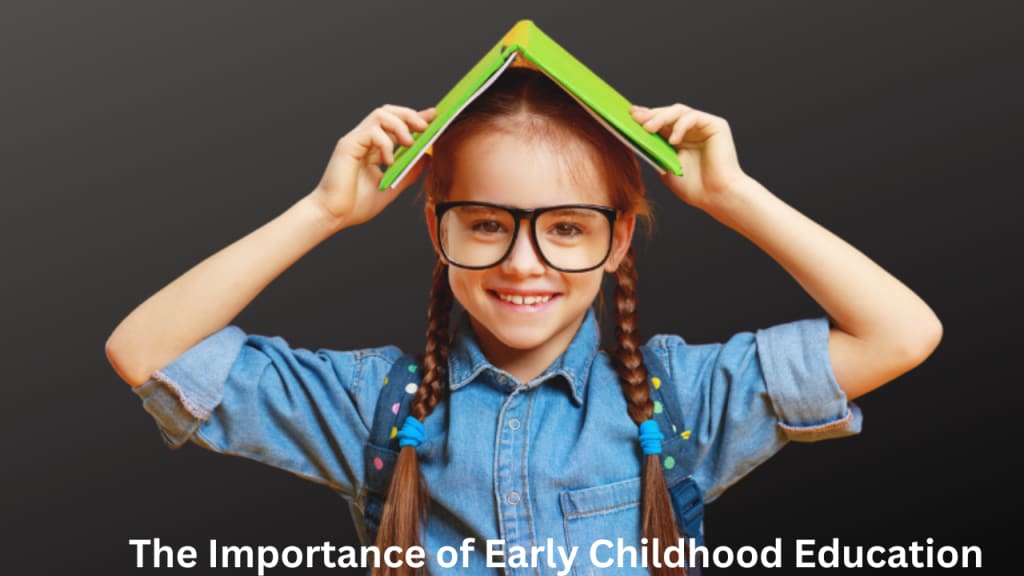
In an increasingly globalized world, the ability to communicate in more than one language is becoming an invaluable skill. Bilingual education, especially when introduced at an early age, offers numerous benefits that extend beyond just language proficiency. For parents considering the best preschool options for their children, or those exploring the best preschool franchise in India, understanding these advantages can be a key factor in making informed decisions.
Cognitive Benefits of Bilingual Education
One of the most significant advantages of bilingual education is its positive impact on cognitive development. Young children’s brains are incredibly adaptable and are at an optimal stage for learning multiple languages. Studies have shown that bilingual children often outperform their monolingual peers in tasks that involve problem-solving, creativity, and multitasking. This cognitive flexibility is a result of constantly switching between languages, which strengthens the brain’s executive functions.
Enhanced Communication Skills
Bilingual education not only teaches children to speak another language but also enhances their overall communication skills. Children who grow up learning two languages are often better at understanding and expressing complex ideas. They develop a deeper appreciation for different cultures and perspectives, which fosters empathy and open-mindedness—qualities that are increasingly important in today’s diverse world.
Academic Advantages
Research has indicated that bilingual children often perform better academically. The mental agility gained from learning two languages can make it easier for them to pick up new concepts, particularly in areas like mathematics and science. Moreover, bilingual children tend to have a greater awareness of language structure, which can contribute to improved literacy skills in both their first and second languages.
For parents looking for the best preschool franchise in India, it’s worth noting that many leading preschools now offer bilingual programs as part of their curriculum. These programs not only prepare children for a multicultural future but also give them a competitive edge when they begin formal schooling.
Social and Emotional Benefits
Bilingual education also plays a crucial role in the social and emotional development of young children. Learning a second language often involves exposure to different cultures, which helps children develop a broader worldview. This cultural awareness can lead to stronger social skills, as bilingual children are often more adept at understanding and navigating social nuances. Additionally, the confidence gained from mastering a second language can boost a child’s self-esteem and encourage a lifelong love of learning.
Preparing for a Global Future
In today’s interconnected world, being bilingual is more than just a skill—it’s a necessity. As businesses and communities become increasingly global, the ability to communicate in multiple languages is becoming a critical asset. Starting bilingual education in preschool ensures that children are well-prepared for the challenges and opportunities of the future. For those considering the best preschool franchise in India, investing in a bilingual program can provide children with a head start in their educational journey and future careers.
FAQs
1. What is bilingual education, and why is it important for preschoolers?
Ans. Bilingual education involves teaching young children in two languages. It’s important for preschoolers because it enhances cognitive development, improves communication skills, and fosters cultural awareness.
2. How can bilingual education in preschool benefit my child academically?
Ans. Bilingual education can improve problem-solving skills, memory, and creativity. These cognitive advantages often translate into better academic performance across various subjects.
3. When is the best time to start bilingual education for my child?
Ans. The best time to start bilingual education is during the preschool years when a child’s brain is highly receptive to learning new languages.
4. What should I look for in a preschool offering bilingual education?
Ans. Look for a preschool with experienced bilingual teachers, a well-rounded curriculum, and a focus on both language acquisition and cultural learning. Choosing the best preschool franchise in India with a strong bilingual program can provide long-term benefits for your child.
Conclusion
The benefits of bilingual education for young children are clear. From cognitive and academic advantages to enhanced communication and social skills, learning a second language at an early age sets the stage for lifelong success. For parents and educators alike, embracing bilingual education is not just about language acquisition—it’s about preparing children to thrive in a diverse and ever-changing world. When choosing the best preschool or the best preschool franchise in India, a bilingual program can be a decisive factor in offering children the best start in life.
About the Creator
Enjoyed the story? Support the Creator.
Subscribe for free to receive all their stories in your feed.
Comments
There are no comments for this story
Be the first to respond and start the conversation.