
The BCOM Pathway to Investment Banking: What You Need to Succeed
Is BCOM a Good Pathway for Investment Banking?
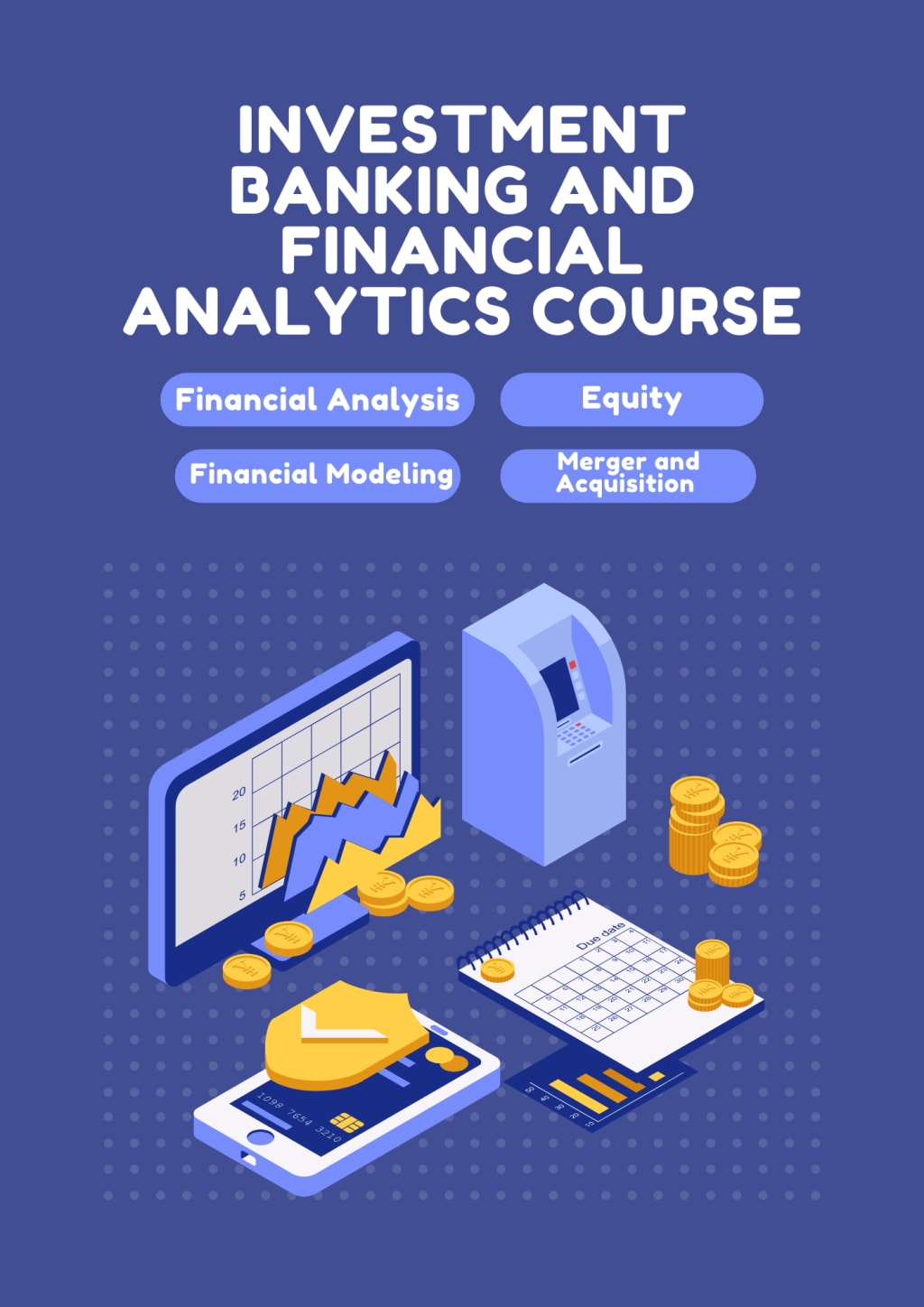
If you're aiming to build a career in investment banking, you're probably wondering if a Bachelor of Commerce (BCOM) is a solid starting point. Investment banking is an exciting and competitive industry, and its professionals are often viewed as the best in finance. The path to entering this prestigious field can sometimes seem unclear, especially when trying to figure out if a BCOM degree will give you the edge. This article will break down how a BCOM can prepare you for investment banking, explore essential skills needed, and how supplementary education can make you a standout candidate.
What Is Investment Banking?
Before diving into whether BCOM is an effective entry point, it's essential to first understand what investment banking entails. Investment banks help businesses and governments raise capital, provide strategic financial advice (such as in mergers and acquisitions), and facilitate trading of financial instruments. Professionals in this field work with complex financial structures and are involved in high-stakes decision-making. The roles are diverse, from financial analysts to senior bankers, and require advanced technical knowledge and skills in finance.
How a BCOM Degree Aligns with Investment Banking
While most people assume that an MBA or a finance-focused degree is the best route to investment banking, a BCOM can also set you up for success in this competitive industry. Here’s why:
1. Foundational Knowledge in Business and Finance
A BCOM degree gives you an essential understanding of key business concepts. You’ll study subjects like economics, accounting, business law, corporate finance, and management—all of which are critical to investment banking. Although a BCOM may not be as focused as a finance degree, it gives you a well-rounded foundation that covers many of the important areas of finance.
2. Analytical and Quantitative Skills
Investment bankers often analyse financial reports, perform valuations, and build complex models. A BCOM curriculum includes courses that help you develop these skills, such as accounting, economics, and statistics. These courses can help sharpen your ability to think critically and solve problems—key abilities in the investment banking world. Additionally, financial modeling is a crucial part of investment banking, and BCOM students who focus on this can excel in these areas.
3. Room for Specialization
While BCOM is generally broad, it does allow room for specialization. Many universities and colleges allow students to choose electives in corporate finance, investment analysis, or financial markets. These focused courses can equip you with the specific knowledge that investment banks look for. Furthermore, pursuing advanced certifications after your BCOM can significantly boost your qualifications.
4. Internships and Networking Opportunities
In investment banking, building a network and gaining real-world experience is as crucial as academic knowledge. BCOM programs often offer internships, career fairs, and networking events where you can connect with professionals in the finance industry. These experiences can open doors to internships at investment banks, which are essential for gaining hands-on experience and learning the ropes of the industry.
Crucial Skills for Investment Banking
Investment banking is demanding, requiring a unique set of skills to navigate complex financial tasks. Here's a look at the essential skills needed for success:
1. Financial Modeling and Valuation
One of the core tasks in investment banking is building financial models and conducting valuations. Learning how to create and interpret financial models is critical, and you’ll need to master techniques like Discounted Cash Flow (DCF) analysis and Comparable Company Analysis (CCA) to succeed in the industry.
2. Attention to Detail
Investment bankers deal with vast amounts of financial data. Accuracy is non-negotiable in this field, as a single mistake can have major consequences. The ability to meticulously analyse information and catch even the smallest errors is a must-have trait for aspiring investment bankers.
3. Strong Communication Skills
Effective communication is crucial in investment banking. You’ll need to explain complex financial concepts in a way that clients and team members can understand. Whether it's drafting reports, presenting findings, or negotiating deals, your ability to articulate and persuade will be key to your success.
4. Stamina and Work Ethic
Investment banking is notorious for its demanding hours. It requires exceptional time management, the ability to meet tight deadlines, and resilience in a high-pressure environment. Developing a strong work ethic and the discipline to handle long hours will give you a significant advantage in this competitive field.
Enhancing Your Skills: Boston Institute of Analytics
After earning a BCOM, you may want to further enhance your expertise with specialized training. The Boston Institute of Analytics (BIA) offers Banking and Finance Courses Online that can complement your BCOM education and prepare you for a successful career in investment banking.
BIA’s courses cover financial modeling, valuation, mergers and acquisitions, and other key areas of investment banking. The curriculum is designed by industry experts, ensuring that the material is relevant, practical, and up-to-date. By completing a course with BIA, you can improve your chances of landing an investment banking role and gain a deeper understanding of the industry’s inner workings.
BIA offers flexible online learning, making it possible for you to study while balancing other commitments. Furthermore, BIA’s certifications are recognized by top employers in finance, adding a significant edge to your resume and demonstrating your commitment to developing your skills in investment banking.
Conclusion: Can a BCOM Lead to Investment Banking?
In short, yes—a BCOM can indeed be a stepping stone to a successful career in investment banking. While it might not be as narrowly focused as a finance degree, it provides a strong base of business and financial knowledge that is applicable in the industry. With the right skills, internships, and additional certifications, a BCOM graduate can absolutely break into the world of investment banking.
Moreover, specialized programs like those offered by Boston Institute of Analytics can help further equip you with the practical knowledge needed to excel. If you're determined, proactive, and focused, a BCOM degree can serve as an excellent foundation for a lucrative career in investment banking.
By combining your BCOM education with further specialized training and hands-on experience, you can develop the expertise and qualifications needed to stand out in this highly competitive field.
About the Creator
Enjoyed the story? Support the Creator.
Subscribe for free to receive all their stories in your feed.
Comments
There are no comments for this story
Be the first to respond and start the conversation.