
The Art and Science of Joinery: Understanding Its Role, Techniques, and Career Potential
Exploring the Craft, Techniques, and Career Opportunities in Modern Joinery Work

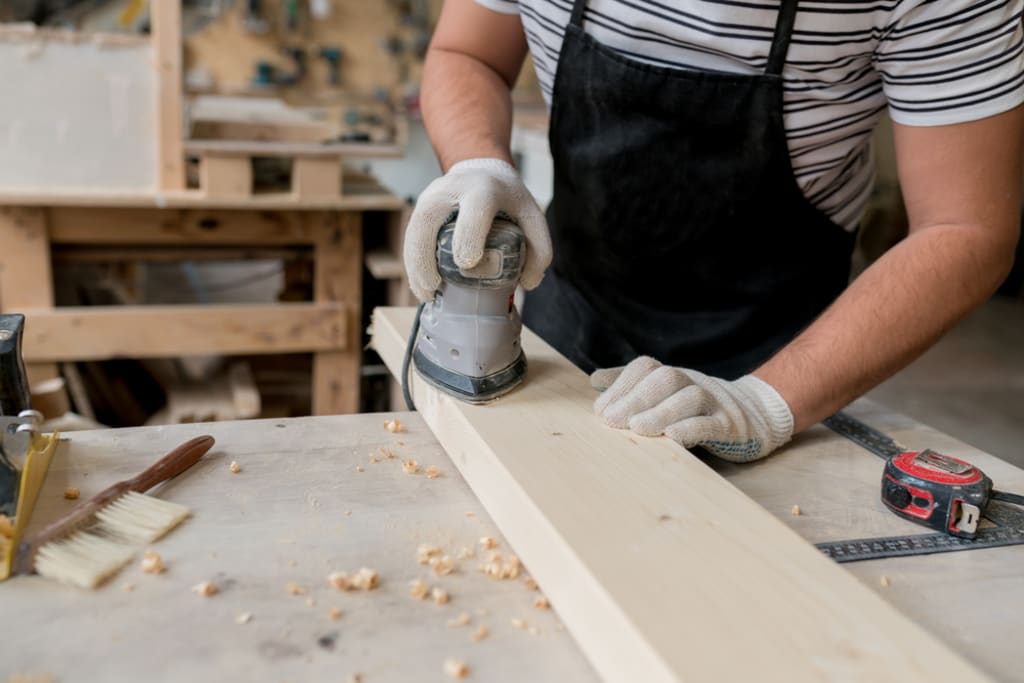
What is Joinery Work?
Joinery work refers to the skilled trade of constructing wooden components that are typically assembled on-site to form part of a building's structure or interior. This involves crafting precise joints to join pieces of wood together, creating items such as doors, windows, staircases, and furniture.
The Purpose of Joinery
The primary purpose of joinery is to create functional and aesthetically pleasing wooden structures. These structures serve both practical and decorative purposes, contributing to the overall design and functionality of buildings. Joinery works ensure that each piece is custom-fit to its specific location, enhancing the beauty and durability of the final product.
Distinguishing Joinery from Carpentry
Understanding the distinction between joinery and carpentry is crucial for anyone interested in woodworking. While both trades involve working with wood, their focus and environments differ significantly:
• Joinery: Typically performed in a workshop, joinery involves creating detailed wooden items that will later be installed in a building.
• Carpentry: Usually performed on-site, carpentry focuses on constructing and fitting larger structural elements, such as roof trusses and flooring.
Key Components of Joinery Work
Joinery work encompasses a wide range of tasks and products, including:
• Windows and Doors: Custom-crafted to fit specific openings, providing both function and style.
• Staircases: Designed and built to match the architectural style of the building.
• Furniture: Bespoke pieces tailored to the client's specifications and space requirements.
• Architectural Molding: Decorative elements such as skirting boards and cornices that add character to a space.
Basic Joinery Techniques
Joinery relies on various techniques to create strong and durable joints. Some of the most common techniques include:
• Mortise and Tenon: A traditional method where a tenon on one piece of wood fits into a mortise hole in another.
• Dovetail Joints: Known for their strength and resistance to being pulled apart, these are often used in drawer construction.
• Butt Joints: Simple joints where the ends of two pieces of wood are butted together, often reinforced with screws or dowels.
Essential Tools for Joinery
Joiners use a range of tools to shape and join wood. These include:
• Saws: Various types of saws, such as panel saws and band saws, are used to cut wood to the required dimensions.
• Chisels: Essential for carving and shaping joints.
• Planes: Used to smooth and flatten wood surfaces.
• Clamps: Hold pieces of wood together while the glue sets, ensuring a tight fit.
Modern vs. Traditional Joinery
The techniques used in joinery can be broadly categorized into traditional and modern:
• Traditional Joinery: Involves hand-cut joints and meticulous craftsmanship passed down through generations. This method is valued for its aesthetic and historical significance.
• Modern Joinery: Incorporates advanced machinery and tools, allowing for greater precision and efficiency while maintaining high-quality standards.
Customization and Quality Craftsmanship
One of the standout features of joinery is the high level of customization it offers. Skilled joiners create pieces tailored to specific spaces, ensuring a perfect fit and seamless integration with the overall design. This level of detail adds significant value to construction projects.
Aesthetic Enhancement
Beyond functionality, joinery significantly contributes to the visual appeal of a space. Well-crafted wooden elements can elevate the overall aesthetic, creating a warm and inviting atmosphere. Whether it’s a classic, traditional look or a sleek, modern design, joinery can be tailored to meet diverse architectural needs.
The Process of Joinery Work
The joinery process typically involves several steps:
1. Design and Planning: Understanding the client's needs and creating detailed plans.
2. Material Selection: Choosing the right type of wood and other materials.
3. Cutting and Shaping: Using tools to cut and shape the wood according to the plans.
4. Assembly: Joining the pieces together using various techniques.
5. Finishing: Sanding, staining, and applying protective coatings to enhance durability and appearance.
What Joinery Job Means
A career in joinery involves creating and assembling wooden structures and components. Joiners work in workshops, construction sites, or both, depending on the nature of their projects. They need a keen eye for detail, precision, and a deep understanding of woodworking techniques.
Skills Required for Joiners
To excel in joinery, individuals need a combination of technical and soft skills, including:
• Technical Skills: Proficiency in using woodworking tools and machinery, understanding of different joinery techniques, and ability to read and interpret technical drawings.
• Attention to Detail: Precision in measurements and cuts is crucial.
• Problem-Solving Skills: Ability to troubleshoot issues that arise during the construction process.
• Physical Stamina: Joinery can be physically demanding, requiring strength and endurance.
Is Joinery a Good Job?
Joinery is a highly rewarding profession for those passionate about woodworking. It offers the opportunity to create beautiful and functional pieces that can last for generations. Additionally, skilled joiners are in high demand, offering job stability and the potential for good earnings.
FAQs:
Q1: What is basic joinery?
A: Basic joinery involves creating simple joints and wooden structures using fundamental techniques and tools.
Q2: Why is it called a joiner?
A: The term "joiner" comes from the trade's primary function of joining pieces of wood together to create various structures and components.
Q3: How to teach yourself joinery?
A: Begin with learning basic techniques and gradually progress to more complex projects. Online tutorials, woodworking books, and practical experience are invaluable resources.
Q4: What skills are required for a joiner?
A: Key skills include technical proficiency with tools, attention to detail, problem-solving abilities, and physical stamina.
Q5: Why is joinery used?
A: Joinery is used to create custom, durable, and aesthetically pleasing wooden structures that enhance the functionality and appearance of buildings.
Conclusion
Joinery work is a blend of art and science, requiring precision, creativity, and technical skill. From crafting bespoke furniture to constructing essential building components, joinery plays a crucial role in both residential and commercial projects. Whether you are considering a career in joinery or seeking to understand its importance in construction, the knowledge of joinery techniques and their applications is invaluable. The timeless craft of joinery continues to shape spaces with its blend of functionality and beauty, making it an indispensable trade in the construction industry.
About the Creator
Fajr Interiors
Elite Interiors, an innovative interior design company in Dubai, transforms spaces with bespoke solutions, blending luxury and functionality to create your dream environment.
Enjoyed the story? Support the Creator.
Subscribe for free to receive all their stories in your feed.
Comments
There are no comments for this story
Be the first to respond and start the conversation.