
Technology in Education: Supporting Personalized Learning for Every Student
Technology in Education
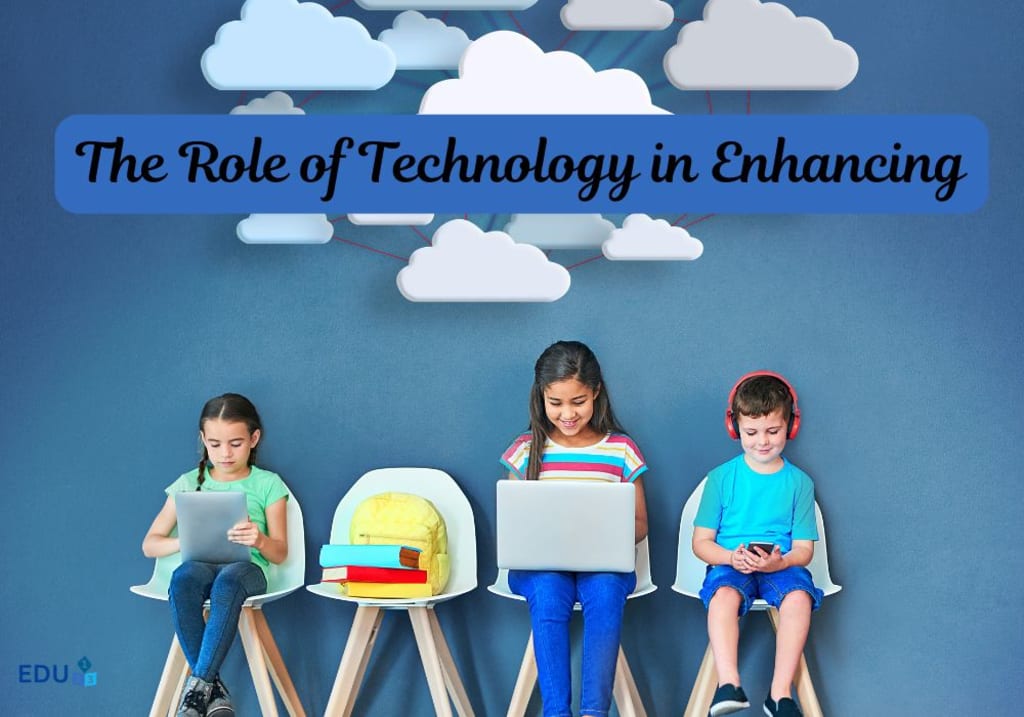
Imagine a classroom where every student learns at their own pace, fully engaged and excited about their education.
In today's fast-paced world, technology in education has become an essential component of this vision, transforming traditional learning environments into dynamic, personalized experiences.
With the integration of advanced tools and resources, educators are now equipped to cater to the diverse needs of every student.
This article explores how technology is reshaping education and supporting individualized learning pathways for students of all backgrounds.
1. Enhancing Engagement Through Interactive Tools
Have you ever wondered how interactive tools can spark a student's curiosity?
One of the most significant benefits of technology in education is the ability to engage students through gamified learning experiences. Educational platforms like Kahoot!, Quizlet, and Google Classroom allow teachers to create dynamic lessons that encourage participation and collaboration.
These tools not only make learning fun but also help students grasp complex concepts more effectively. By leveraging these engaging resources, educators can motivate students to take an active role in their education.
2. Access to a Wealth of Resources
What if you could unlock a treasure trove of knowledge with just a few clicks? The internet provides an unprecedented wealth of resources at students' fingertips.
With access to e-books, research articles, videos, and tutorials, learners can explore topics beyond the classroom curriculum.
Platforms like Khan Academy and Coursera offer free courses on a wide range of subjects, allowing students to learn at their own pace and satisfy their curiosity.
3. Personalized Learning Experiences
Imagine a world where every student receives instruction tailored just for them. Personalized learning is at the forefront of educational technology advancements.
adaptive learning technologies, educators can tailor instruction to meet the unique needs of each student.
For example, platforms like DreamBox Learning and IXL use algorithms to assess a student’s performance and adjust the curriculum accordingly. This ensures that learners receive the right level of challenge and support, making it easier for them to progress at their own pace.
4. Facilitating Collaboration
Ever wished you could work on a project with friends from around the globe? Technology in education fosters collaboration among students. Tools like Google Workspace, Microsoft Teams, and Padlet enable students to work together on projects, share ideas, and provide feedback in real time. This collaborative environment encourages communication and teamwork, essential skills for success in today’s workforce.
Furthermore, students can connect with peers from different cultures, broadening their perspectives and understanding of diverse viewpoints.
5. Providing Timely Feedback
How often do you wish for immediate feedback on your work? Immediate feedback is crucial for effective learning.
With technology in education, teachers can provide instant feedback on assignments and assessments, helping students identify areas for improvement.
Online quizzes and assessments can be graded automatically, allowing educators to focus on providing meaningful guidance and support. This real-time feedback loop empowers students to take charge of their learning and make necessary adjustments to their study habits.
6. Supporting Diverse Learning Needs
Can you imagine a classroom where every learning style is catered to? Every student has a unique learning style, and technology in education offers various tools to support diverse learning needs.
For instance, assistive technologies, such as text-to-speech software and speech recognition programs, can help students with disabilities access educational content.
Moreover, visual and auditory learning tools cater to different preferences, ensuring that all students can engage with the material in a way that suits them best.
7. Preparing Students for the Future
What skills will your child need to succeed in tomorrow's job market? As the job market evolves, so do the skills required for success.
Technology in education equips students with essential 21st-century skills such as digital literacy, critical thinking, and problem-solving.
By incorporating technology into the classroom, educators can prepare students for future careers in an increasingly tech-driven world. Students who are comfortable with technology will have a competitive edge as they enter higher education and the workforce.
Conclusion
In an age where technology shapes nearly every aspect of our lives, the role of technology in education is pivotal in supporting personalized learning for every student.
By enhancing engagement, providing access to resources, facilitating collaboration, and accommodating diverse learning needs, technology empowers students to take control of their educational journeys.
As educators continue to embrace these tools, the future of education looks promising, ensuring that all students can thrive in a rapidly changing world.
About the Creator
Enjoyed the story? Support the Creator.
Subscribe for free to receive all their stories in your feed.
Comments
There are no comments for this story
Be the first to respond and start the conversation.