
Teaching Environmental Awareness Through Everyday Choices
Teaching Environmental Awareness Through Everyday Choices
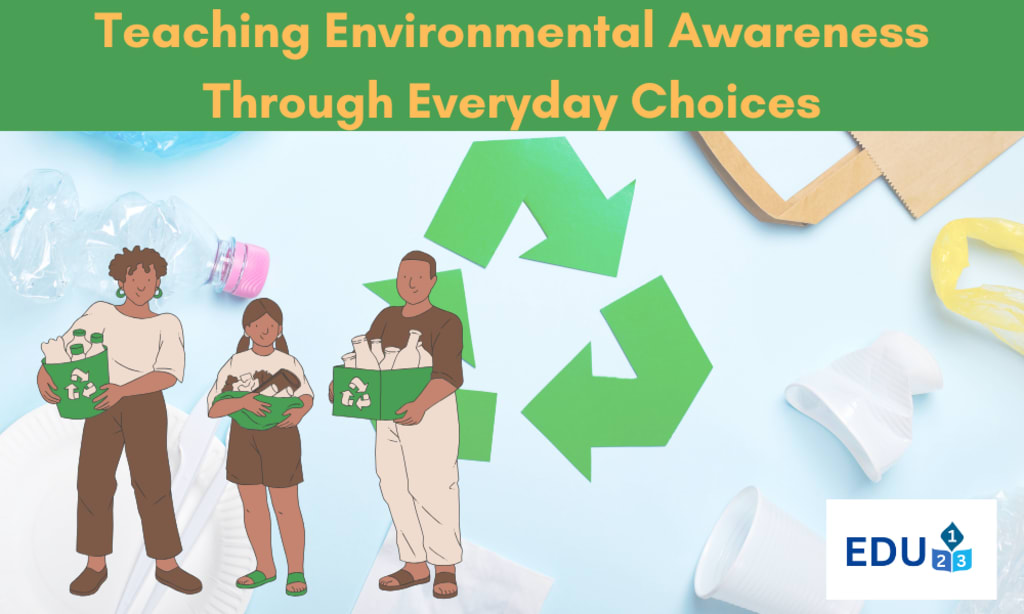
Did you know that simple, everyday choices can make a huge difference in protecting our planet? In a time when the effects of climate change, deforestation, and pollution are more evident than ever, fostering Environmental awareness is no longer an option—it’s a necessity.
By making thoughtful decisions about what we consume, how we dispose of waste, and how we use resources, both parents and students can contribute to a healthier and more sustainable planet.
Why Start with Everyday Choices?
Teaching environmental awareness through daily actions is practical, impactful, and easy to implement. Children learn best through observation and participation.
When they see their parents making eco-friendly choices, it sets a powerful example. Everyday activities, such as grocery shopping, cleaning, or commuting, offer endless opportunities to introduce sustainability into their lives.
The Role of Parents in Teaching Environmental Awareness
Parents are the first and most influential teachers in a child’s life. By making mindful choices and involving children in eco-friendly practices, parents can instill values that will last a lifetime. Here’s how parents can lead the way:
Practice What You Preach
Children mimic what they see. When parents actively conserve water, switch off unused appliances, or avoid single-use plastics, children naturally adopt these habits.
Turn Chores into Lessons
Everyday tasks like sorting recyclables, composting kitchen waste, or watering plants can teach kids the basics of sustainability in an engaging way.
Explain the Why Behind Actions
Instead of just instructing, explain why certain choices matter. For example, let them know that reusing items reduces waste in landfills or that conserving energy helps combat global warming.
Reward Eco-Friendly Behavior
Encourage children to adopt green habits by celebrating their efforts. A reward system for eco-friendly tasks, such as planting a tree for every ten bottles recycled, can motivate them.
Everyday Actions That Build Environmental Awareness
Reduce, Reuse, Recycle
Teach children the importance of the three Rs. Explain how reducing consumption saves resources, reusing items minimizes waste, and recycling gives materials a second life. Let them sort recyclables at home or create crafts using old materials.
Conserve Energy and Water
Simple habits like turning off lights when leaving a room or fixing dripping taps can make a significant difference. Encourage kids to take shorter showers or use a bucket instead of a hose for outdoor chores.
Choose Sustainable Products
Involve children in shopping decisions by opting for eco-friendly products. Show them labels like "biodegradable" or "made from recycled materials," and explain their significance.
Reduce Plastic Usage
Use reusable bags, bottles, and containers instead of disposable ones. Teach children about the harmful effects of plastic on marine life and the environment.
Walk, Cycle, or Carpool
Opt for greener modes of transportation whenever possible. Walking or cycling is not only good for the environment but also promotes physical health.
Schools as Key Players in Promoting Environmental Awareness
Educational institutions can amplify the lessons learned at home by incorporating sustainability into their curriculums and activities.
Include Environmental Studies
Schools can introduce topics like ecosystems, renewable energy, and climate change to foster a deep understanding of global issues.
Organize Green Initiatives
Activities like tree planting, waste segregation drives, or creating a school garden can teach students about sustainability through hands-on participation.
Celebrate Environmental Days
Observing Earth Day, World Environment Day, or similar occasions encourages students to think about the planet and their role in preserving it.
Involve Students in Eco-Clubs
Eco-clubs empower students to take charge of projects like water conservation campaigns or community clean-ups. This not only fosters teamwork but also encourages leadership.
How Students Can Make a Difference
Students have a unique ability to create ripples of change. By adopting green habits and inspiring others, they can significantly impact their schools, families, and communities. Here’s how:
Be Advocates of Change
Students can raise awareness among peers and family by sharing what they learn about sustainability and leading by example.
Participate in Green Campaigns
Joining or initiating recycling drives, tree planting events, or plastic-free campaigns can help students make a tangible difference.
Innovate Solutions
Encourage students to think creatively and come up with solutions to environmental problems. Science projects on renewable energy or waste management are great starting points.
Create Eco-Friendly Spaces
Students can take simple steps to green their surroundings, such as planting indoor plants or designing a composting system for organic waste.
Fun Ways to Teach Environmental Awareness
Teaching environmental awareness can be fun and engaging! Here are some ideas:
Eco-Crafts: Let children make toys or decorations from recycled items, such as bottle caps, paper rolls, or old fabrics.
Storytelling: Share stories and books that highlight the importance of protecting the planet.
Gardening Projects: Encourage children to grow their own vegetables or flowers, teaching them about the life cycle of plants and the value of soil and water.
Interactive Apps and Games: Many apps teach sustainability concepts through fun activities, making learning engaging and interactive.
Long-Term Benefits of Environmental Awareness
The benefits of fostering environmental awareness are profound and far-reaching. These include:
Empowered Decision-Makers: Children who grow up with an understanding of sustainability are better equipped to make informed decisions in adulthood.
Healthier Communities: Green habits contribute to cleaner, healthier surroundings, benefiting everyone.
Sustainable Future: When individuals collectively adopt eco-friendly practices, it leads to reduced environmental degradation and resource preservation.
Conclusion
Teaching environmental awareness through everyday choices is an effective and practical way to empower both parents and students to contribute to a sustainable future.
By making small, conscious decisions, we can collectively make a big impact. Parents and educators play crucial roles in guiding young minds to appreciate and protect the environment.
Every decision counts. Whether it’s using a reusable water bottle, planting a tree, or reducing waste, these actions pave the way for a greener tomorrow.
Together, let’s inspire the next generation to embrace environmental responsibility and lead the charge toward a more sustainable world.
About the Creator
Enjoyed the story? Support the Creator.
Subscribe for free to receive all their stories in your feed.
Comments
There are no comments for this story
Be the first to respond and start the conversation.