
Teaching Arabic: Opening the Door to Language, Culture, and Identity
Learning Arabic is not only about memorizing letters and words; it is a journey into culture, communication, and personal growth.

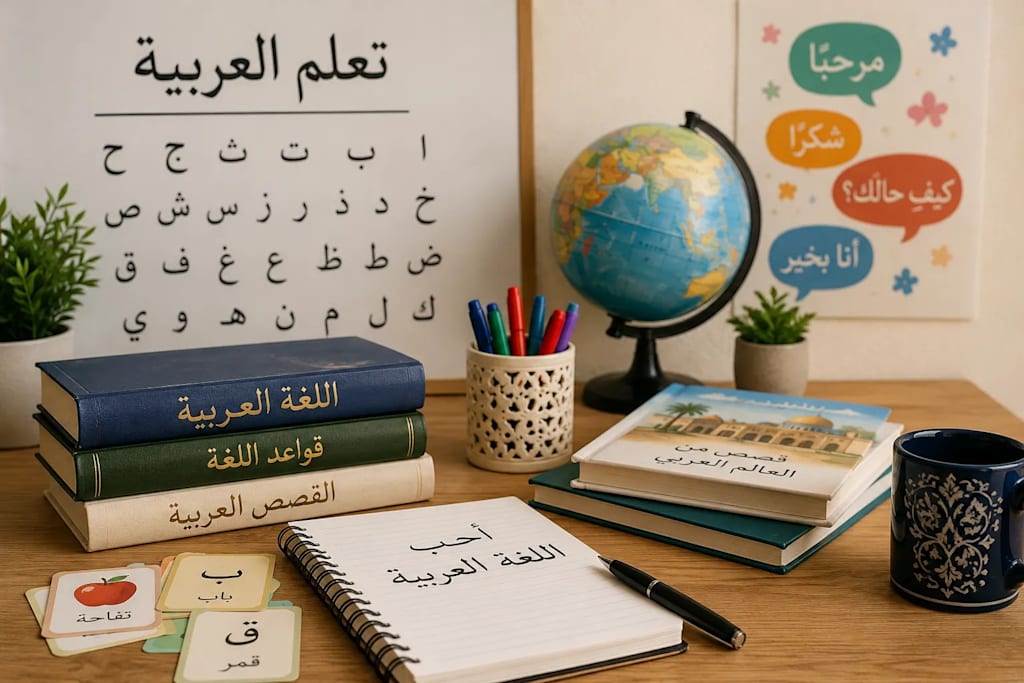
Teaching Arabic is a meaningful educational journey because Arabic is more than a language. It is a bridge to culture, history, identity, and communication. For many learners, Arabic may seem difficult at first because of its unique letters, sounds, and writing direction. However, with the right teaching methods, Arabic can become an enjoyable and inspiring subject.
One of the first steps in teaching Arabic is helping students become familiar with the Arabic alphabet. The letters should not be presented as symbols to memorize only, but as sounds and shapes that connect to real words. For example, students can learn the letter “ب” through simple words such as “باب” and “بيت”. This method allows learners to understand the relationship between letters, pronunciation, and meaning.
Another important part of Learn Arabic Online is using visual and interactive activities. Pictures, flashcards, songs, stories, and simple games can make the learning process easier and more engaging. Young learners especially need activities that help them see, hear, repeat, and use the language in different ways. When students enjoy the lesson, they become more confident and more willing to participate.
Reading is also a key skill in Arabic education. Teachers should start with short and simple words, then move gradually to short sentences and paragraphs. It is important not to rush the learner. Arabic reading becomes easier when students understand letter shapes, vowel marks, and word patterns step by step. Encouragement is very important because many students feel nervous when they start reading aloud.
Why Learning Arabic Matters
https://youtu.be/AT0axP0L0mc?si=ECtIl6W1Ym0Zwr8Y
Writing Arabic requires patience and practice. Since Arabic is written from right to left, learners need time to become comfortable with the direction and shape of the letters. Teachers can begin with tracing activities, then copying words, and finally writing simple sentences. Good handwriting is useful, but the main goal should be helping students express their ideas clearly.
Speaking and listening should also be included in every Arabic lesson. Students need to hear Arabic used naturally in greetings, classroom instructions, questions, and daily conversations. Simple phrases such as “كيف حالك؟”, “ما اسمك؟”, and “أنا أحب اللغة العربية” can help learners use Arabic in real communication. The more students speak, the more confident they become.
Teaching Arabic is not only about grammar and vocabulary. It is also about introducing learners to Arabic culture. Through poems, stories, traditions, names, food, and common expressions, students can understand how language reflects the life and values of its people. This cultural connection makes learning more meaningful.
A successful Arabic teacher should be patient, creative, and supportive. Some students may learn quickly, while others may need more time. The teacher’s role is to guide each learner with kindness and consistency. Mistakes should not be treated as failure; they should be seen as part of the learning process.
Technology can also support Arabic learning. Educational videos, language apps, online exercises, and digital books can help students practice outside the classroom. However, technology should not replace the teacher. It should be used as a helpful tool that makes learning more flexible and interesting.
In conclusion, teaching Arabic is a valuable responsibility. It helps learners gain a new language, understand a rich culture, and build stronger communication skills. When Arabic is taught with patience, creativity, and real-life examples, students do not only learn letters and words; they discover a language that carries beauty, knowledge, and identity.
About the Creator
Quran Beauty Online
Quran Beauty Online shares helpful content about online Quran learning, Tajweed, Arabic education, and practical study habits for children and families.
Enjoyed the story? Support the Creator.
Subscribe for free to receive all their stories in your feed.
Comments
There are no comments for this story
Be the first to respond and start the conversation.