
TDS in Water: Impact on Health and Environment
Impact on Health and Environment
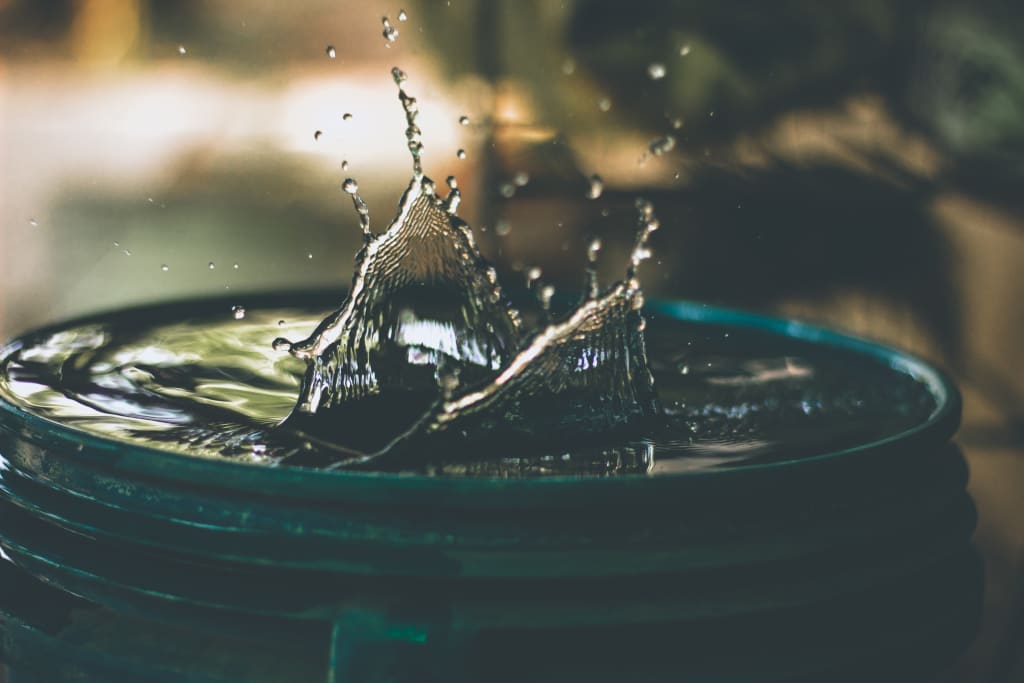
Water is essential to our daily lives, and we rely on it for everything from staying hydrated to cooking our meals. However, not all water is created equal. Have you ever wondered what's in your tap water? One critical factor that many people overlook is Total Dissolved Solids (TDS). TDS refers to the total amount of minerals, salts, and other dissolved solids in the water. While some minerals are beneficial for health, excessive levels can impact both human health and the environment in negative ways. In this blog post, we'll explore everything you need to know about TDS in water – its effects on health and the environment – so keep reading
What is TDS in water?
Total Dissolved Solids (TDS) refers to the inorganic and organic particles that are dissolved in water. These can include minerals, salts, metals, and other substances that are found in soil or rocks. When rainwater falls, it dissolves these particles as it makes its way through the earth's surface.
The TDS level of drinking water varies depending on several factors such as the geographical location of the source of water and how it is treated before distribution. TDS has no color, taste or odor; hence you cannot know if your drinking tap water contains high levels of dissolved solids by just looking at them.
However, when you consume high levels of TDS over an extended period may impact human health negatively. High TDS levels have been linked with kidney stones formation risk due to excessive calcium content or lead poisoning from contaminated pipes.
Thus, monitoring the total dissolved solids present in your drinking water is crucial for maintaining proper health standards.
What are the effects of TDS in water on human health?
Excessive levels of TDS in drinking water can have negative impacts on human health. Consuming high levels of dissolved minerals and salts present in the water can lead to a range of issues, such as dehydration, high blood pressure, and even kidney damage.
The presence of certain minerals like calcium and magnesium may make your drinking water hard but is typically not harmful to your health. However, consuming excessive amounts of sodium through TDS in the water can increase the risk for heart disease and hypertension.
TDS levels in drinking water must be monitored closely since it’s impossible to tell if the level is too high or low without testing it. Infants are particularly at risk since their underdeveloped kidneys cannot process dissolved solids effectively - which could pose serious threats to their health.
Some symptoms that people with long-term exposure to high TDS levels may experience include diarrhea, nausea/vomiting, dry skin/hair/eyes/mouth/throat/nose as well as fatigue & headaches.
Therefore, it's essential that you keep track of the quality of your tap water regularly by having your local utility company test its chemical composition frequently - especially if you live near areas where groundwater gets contaminated easily.
What are the environmental impacts of TDS in water?
TDS in water is not just a health concern but also an environmental one. High TDS levels can have adverse effects on the ecosystem and aquatic life.
One of the most significant impacts of TDS in water is its ability to change the chemical composition of soil. When high-TDS of drinking water is used for irrigation, it can lead to increased salinity and alkalinity levels in the soil, making it more difficult for plants to grow. This can consequently result in reduced crop yields and even land degradation.
Moreover, high TDS levels can affect aquatic life by altering their habitat conditions. Marine organisms such as fish, crustaceans and mollusks require specific pH and salinity ranges to survive; hence any changes could disrupt their growth or reproduction patterns leading them susceptible to diseases.
Furthermore, when high-TDS water enters lakes or rivers through industrial effluents or sewage discharge, it contributes significantly towards eutrophication – promoting excessive plant growth resulting from nutrient pollution – causing depletion of oxygen content within freshwater bodies ultimately affecting marine ecosystems' stability.
It's essential that we consider both human health concerns and environmental factors while assessing TDS levels in drinking-water sources.
How can TDS levels in water be reduced?
There are several methods of reducing TDS levels in water, and it's important to note that the most effective method depends on the source of your water. Reverse osmosis is one popular method used to reduce TDS levels. This involves forcing water through a semi-permeable membrane, which removes many contaminants including dissolved solids.
Another common technique is distillation, which involves heating water until it vaporizes and then condensing this vapor back into liquid form. The process leaves behind impurities like dissolved solids. Ion exchange is another commonly used method for reducing TDS levels in drinking water.
It works by exchanging ions from unwanted minerals with other ions that are more desirable, such as potassium or sodium ions found in salt.
While these techniques may be effective at removing some contaminants from your drinking water, they can also remove essential minerals like calcium and magnesium that our bodies need for proper health. It’s crucial to make sure you’re still getting enough of these nutrients while reducing your overall TDS level.
The best way to ensure safe drinking water with reduced TDS levels is by addressing the root cause of contamination – whether that means fixing plumbing issues or investing in a better filtration system tailored specifically to your needs.
Conclusion
The quality of water is crucial for both human health and the environment. TDS levels in water can have a significant impact on our health, leading to various illnesses and diseases if they exceed safe limits. Additionally, high TDS levels could also have adverse environmental impacts such as soil erosion or damage to aquatic ecosystems.
It's essential to keep an eye on the TDS levels of your drinking water and take necessary measures like using a filtration system or opting for bottled water with lower TDS levels. By doing so, you can protect both yourself and the environment from unnecessary harm caused by high concentrations of Total Dissolved Solids in your drinking water.
Remember that prevention is always better than cure when it comes to maintaining good health and keeping our planet safe!
About the Creator
Enjoyed the story? Support the Creator.
Subscribe for free to receive all their stories in your feed.
Comments
There are no comments for this story
Be the first to respond and start the conversation.