Vocal
6 Warning Signs Your Body Might Be Nurturing Cancer
Cancer is one of the leading causes of death worldwide, and while advances in treatment have improved survival rates, early detection remains the most powerful weapon in the fight against this life-threatening disease. Often, the signs of cancer are subtle and easily dismissed. People tend to ignore what seem like everyday issues—fatigue, a persistent cough, or an unusual lump—without realizing that their bodies may be trying to alert them to something serious. This article outlines six important warning signs your body might be “nurturing” cancer. These symptoms can easily be overlooked, but being aware of them could make a life-saving difference. --- 1. Persistent Lumps or Swellings One of the most common signs that something may be wrong in the body is the presence of a lump or swelling that doesn’t go away. These can appear under the skin, in the neck, underarms, groin, or any other soft tissue area. A lump doesn’t necessarily mean cancer—it could be a benign cyst or an inflamed lymph node—but if it persists or grows in size, it needs medical evaluation. Lymphomas, breast cancer, and testicular cancer often begin as painless lumps. A basic physical exam followed by imaging or a biopsy can help determine the cause. --- 2. Unexplained Weight Loss If you’ve lost more than 10 pounds without changing your diet or exercise habits, it’s time to investigate. Sudden and unexplained weight loss is often one of the first visible signs of cancer, particularly in cancers of the stomach, pancreas, esophagus, or lungs. Cancer cells use up a lot of the body’s energy supply, and the immune system also works harder to fight the disease, which can cause significant weight loss. --- 3. Chronic Cough or Hoarseness A lingering cough that lasts more than three weeks should never be ignored, especially if you are not suffering from a cold or allergies. This is particularly true if the cough is accompanied by blood, chest pain, or a raspy, hoarse voice. While coughing can be caused by many benign issues, it is also a major symptom of lung cancer, laryngeal (voice box) cancer, or thyroid cancer. Smokers or former smokers should be especially vigilant about this symptom. --- 4. Unusual Bleeding Any unexplained bleeding should be taken seriously. Blood in the stool can indicate colon or rectal cancer. Blood in the urine may suggest bladder or kidney cancer. Unusual vaginal bleeding could point to cervical or uterine cancer. Even coughing up blood or experiencing bleeding gums that aren’t due to poor dental hygiene can be red flags. Never assume bleeding is "normal" or due to minor issues without seeking a medical opinion, especially if it occurs more than once. --- 5. Ongoing Fatigue We all get tired from time to time, but cancer-related fatigue is different. It’s a type of exhaustion that doesn’t go away with rest and progressively worsens over time. This can be an early sign of leukemia or other blood cancers and also occurs in colon or stomach cancers due to internal blood loss. If you find yourself unusually weak or tired, and it interferes with your daily activities, get checked by a healthcare provider. --- 6. Changes in Skin Appearance Your skin is the largest organ in your body, and changes in its appearance can sometimes indicate internal issues, including cancer. Watch for these signs: New moles or changes in existing moles Yellowing of the skin or eyes (jaundice) Darkened patches or unusual pigmentation Redness or swelling without an obvious cause Skin changes could suggest melanoma or other skin cancers, liver cancer, or systemic illness affecting multiple organs. --- Why People Overlook These Signs The number one reason most people overlook these warning signs is that they often seem too ordinary. A lump might feel harmless. A cough may seem like a lingering cold. Fatigue is often dismissed as stress or lack of sleep. But these symptoms become concerning when they persist for several weeks or worsen over time. The key is to listen to your body. No one knows your “normal” better than you do. When something feels off, trust that instinct and consult a medical professional. --- The Importance of Early Detection Early detection is often the difference between a treatable condition and a terminal one. Many cancers, if caught in their earliest stages, have very high survival rates. For example: Breast cancer has a 99% five-year survival rate if caught early. Colon cancer has a 90% survival rate in its early stages. Skin cancer, particularly melanoma, is highly curable when detected promptly. Regular check-ups, screenings (such as mammograms, Pap smears, colonoscopies), and paying close attention to your body’s signals are the best strategies to catch cancer before it spreads. --- Final Thoughts Cancer doesn’t always come with dramatic signs. Sometimes, it whispers before it screams. That’s why it’s crucial to remain vigilant about changes in your body, no matter how small they seem. By recognizing and acting on the warning signs listed above, you give yourself the best chance at early diagnosis and successful treatment. If you or someone you know is experiencing any of these symptoms, don’t wait. Speak to a healthcare provider and push for further investigation if necessary. Your life could depend on it.
By DigitalAddiabout a year ago in Education
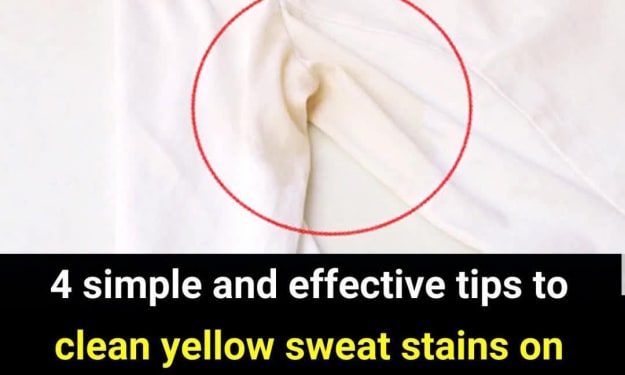
4 Simple and Effective Ways to Remove Yellow Sweat Stains from White Shirts at Home
White shirts are a staple in many wardrobes due to their classic and clean appearance. However, one of the most frustrating problems with white clothing is the appearance of yellow sweat stains, especially around the armpit area. These stains not only look unsightly but can also shorten the lifespan of your favorite shirts if not treated properly. The good news is that you don't need expensive cleaners or a trip to the dry cleaner to get rid of these stains. With just a few everyday items from your home, you can effectively tackle yellow sweat stains and bring your white shirts back to life. Here are four simple and effective tips to clean yellow sweat stains on white shirts at home: --- 1. Baking Soda and Water Paste Why it works: Baking soda is mildly abrasive and has natural whitening properties. It helps lift stains and neutralize odors. How to use: Mix 4 tablespoons of baking soda with a quarter cup of warm water to form a thick paste. Apply the paste generously to the stained area of the shirt. Gently rub the paste into the fabric using an old toothbrush. Let it sit for 30 to 60 minutes. Rinse with cold water, then wash the shirt as usual. Tip: For stubborn stains, you can repeat this process a couple of times or let the shirt sit in sunlight while the paste is still on it. --- 2. White Vinegar and Dish Soap Solution Why it works: White vinegar breaks down the residue from sweat and deodorant, while dish soap helps cut through oils and grime. How to use: Mix one part white vinegar with one part dishwashing liquid and two parts water. Pour the solution onto the stained area or soak the affected part in the mixture. Let it soak for 30 minutes to an hour. Scrub gently with a soft brush or sponge. Rinse thoroughly with cold water and wash the shirt. Tip: Always test on a small area first to ensure the solution doesn’t damage delicate fabrics. --- 3. Hydrogen Peroxide, Baking Soda, and Dish Soap Combo Why it works: This powerful trio is excellent for deep-set yellow stains. Hydrogen peroxide acts as a natural bleach and stain remover without damaging white fabrics. How to use: Mix 1 tablespoon of dish soap, 2 tablespoons of baking soda, and 2 tablespoons of hydrogen peroxide in a bowl. Spread the mixture over the stained area. Gently rub it in with a toothbrush or your fingers. Let the shirt sit for at least 30 minutes—longer for heavier stains. Rinse and wash the shirt in cold water. Tip: This method is ideal for cotton shirts. Avoid using hydrogen peroxide on colored or delicate fabrics. --- 4. Lemon Juice and Salt Scrub Why it works: Lemon juice is a natural bleaching agent, and salt acts as a mild scrub to loosen stain particles. How to use: Squeeze fresh lemon juice directly onto the sweat stains. Sprinkle a generous amount of table salt over the area. Rub the fabric together or use a brush to work the mixture in. Leave the shirt in direct sunlight for about 30 minutes to enhance the lemon’s bleaching effect. Rinse with cold water and wash the shirt as normal. Tip: This method works best on freshly stained or lightly discolored areas. --- Additional Tips for Best Results: Avoid heat: Never use hot water or a dryer on stained clothes before treating the stains. Heat can set the stains permanently. Act quickly: The sooner you treat a sweat stain, the easier it is to remove. Try to clean the shirt as soon as you notice the stain. Repeat if necessary: Some stains may require more than one treatment. Be patient and persistent. Prevent future stains: Switch to an aluminum-free deodorant or antiperspirant, as the reaction between sweat and aluminum salts is a common cause of yellow stains. --- Conclusion: Dealing with yellow sweat stains on white shirts can be annoying, but with the right household items and a bit of effort, you can restore your clothing to its original brilliance. These four simple and effective methods are easy to follow, cost almost nothing, and use ingredients you likely already have at home. Whether you're preparing for a job interview, attending an event, or just trying to look your best, keeping your white shirts stain-free is now well within reach. Try one of these methods today and see the difference for yourself!
By DigitalAddiabout a year ago in Education
Train Your Poker Mind: Build Mental Toughness Like a Pro
Playing poker is not only about cards and chips. It’s about the mind. The best players in the world know how to stay calm, focused, and decisive under pressure. This is known as mental toughness, and it distinguishes casual players from true professionals. Whether you play online or at the table, learning the right mindset and psychology in poker is key to winning more often.
By Micah Raskin Poker about a year ago in Education
The Curious Monkey
Deep in the lush green forest, there lived a mischievous and curious little monkey named Milo. Milo loved exploring new things, swinging from tree to tree, and poking his nose into every little mystery the jungle had to offer. His mother often warned him, "Milo, curiosity is good, but remember—not everything that glitters is gold." But Milo, being young and playful, never really understood what she meant.
By Shahzad Khanabout a year ago in Education
The Strategic Value of Robotic Process Automation (RPA)
Executive Summary Robotic Process Automation (RPA) is transforming how companies approach digital operations. By automating repetitive, rule-based tasks with accuracy and speed, RPA frees up employees to focus on higher-value work and helps organizations drive greater productivity across the board. As operational efficiency becomes a top priority in today’s economic climate, RPA is emerging as a key part of the modern enterprise toolkit.
By McLean Forresterabout a year ago in Education
Young Entrepreneurs’ Philanthropic Mission: Making a Difference on a Global Scale!
Young entrepreneurs today are not just focused on building successful businesses—a strong sense of purpose also drives them. Many of them are combining innovation with philanthropy, creating initiatives that make a meaningful impact on communities around the world. This growing movement underscores the power of youthful energy and creativity in driving global good. In this article, we examine the philanthropic mission of young entrepreneurs and how these leaders are making a significant impact on a worldwide scale.
By David Rubin cdrabout a year ago in Education
Inspiring Fundraising Ideas for 2025: Creative Ways to Make a Difference
Fundraising is a crucial part of supporting important causes, and in 2025, it’s more important than ever to come up with creative and effective ways to raise money. Whether you're raising funds for a nonprofit, school, or community project, there are countless ways to engage your supporters and achieve your fundraising goals. In this article, we’ll explore inspiring fundraising ideas for 2025 that will help you connect with donors, spark excitement, and make a lasting impact.
By David Rubin cdrabout a year ago in Education
Tech Addiction: How Our Devices Are Rewiring Our Brains
Tech Addiction: How Our Devices Are Rewiring Our Brains In the palm of our hands lies a device more powerful than the computers that sent humans to the moon. Yet this technological marvel, designed to connect and inform us, may be fundamentally altering the very structure of our brains.
By Jerry Kane about a year ago in Education
The Two-Faced Chameleon
Deep in the heart of the lush green jungle, there lived a chameleon named Kizo. Unlike other chameleons who changed colors to blend in with their surroundings for safety, Kizo had a different habit—he changed his personality depending on who he was with.
By Shahzad Khanabout a year ago in Education
How Local Governments Shape Environmental Policy
Local governments play a crucial role in shaping environmental policy that directly impacts communities. These policies address issues like air quality, waste management, water conservation, and land use. Understanding how environmental policy forms at the local level helps citizens see the power they have to influence decisions that protect their surroundings.
By Denette Dunnabout a year ago in Education
Unlocking Wealth: The Rise of Compact Luxury Apartments in Panchkula
Panchkula, a thriving satellite city near Chandigarh, is emerging as a hotspot for real estate investment, thanks to its planned layout and proximity to corporate hubs. A standout trend is compact luxury apartments—smaller, high-end homes designed for efficiency and style. These properties attract investors eyeing Apartments in Panchkula and Best properties in Panchkula, offering strong returns and modern living. This article explores why compact luxury apartments are a smart investment, their benefits, and how to invest wisely in Panchkula’s real estate market.
By Ritesh Dhadpadeabout a year ago in Education
"Deforestation and the Future of the Amazon: A Wake-Up Call for Humanity"
Introduction The Amazon rainforest, sprawling across over 6.7 million square kilometers in nine South American countries, is the world’s largest tropical forest and a vital component of Earth’s ecological system. Often called the "lungs of the Earth," this vast forest produces about 20% of the planet’s oxygen and absorbs enormous amounts of carbon dioxide, helping regulate the global climate. Home to an estimated 10% of all known species and over 400 indigenous communities, the Amazon is a hotspot of biodiversity and cultural heritage. However, ongoing deforestation in the Amazon threatens to unravel this delicate balance, risking devastating consequences for local ecosystems and global climate alike.
By Shamshair Khan Hasan Zaiabout a year ago in Education