Vocal
Custom Enterprise IT Services for Government and Private Sector Organizations
In today’s complex digital landscape, both government agencies and private sector enterprises face mounting pressure to modernize their IT infrastructure. From cloud migrations and cybersecurity readiness to data integration and business process automation, the need for tailored IT solutions has never been greater. While off-the-shelf software has its place, organizations that require reliability, scalability, and compliance often turn to custom enterprise IT services to meet their distinct goals.
By McLean Forresterabout a year ago in Education
The Splendor of Nature-Inspired Luxury Homes in Gurgaon: A Tranquil Investment Opportunity
Gurgaon, a bustling city near Delhi, is a top destination for those looking to invest in real estate. A captivating trend in 2025 is nature-inspired luxury homes—beautiful, high-end residences designed to bring the outdoors inside, offering peace and serenity. These homes are attracting buyers searching for residential property in Gurgaon, especially those who crave a connection with nature and a luxurious lifestyle. This article explains why nature-inspired luxury homes are a smart investment, what makes them special, and how you can embrace this calming trend to buy property in Gurgaon’s thriving market.
By Ritesh Dhadpadeabout a year ago in Education
Dear Parents, Please Always Keep Your Children's Baby Teeth
When a child loses their first tooth, it marks a memorable milestone in both their growth and the parent’s journey. Traditionally, baby teeth are tucked under a pillow for the “tooth fairy” or simply discarded. But recent scientific discoveries suggest that these tiny teeth may hold significant medical value—far beyond sentimentality. Dear parents, before you throw out your child’s baby teeth, here’s why you should seriously consider saving them. --- The Hidden Treasure Inside Baby Teeth Baby teeth, also known as deciduous teeth, are more than just placeholders for adult teeth. They are rich in dental stem cells—cells that have the ability to regenerate and repair damaged tissues. Unlike other cells in the body, stem cells can develop into different types of cells, including bone, nerve, and muscle tissue. This gives them incredible potential for use in regenerative medicine. Scientists have found that stem cells extracted from the dental pulp of baby teeth can be preserved and possibly used later in life to treat various diseases, including Parkinson’s disease, Type 1 diabetes, spinal cord injuries, heart disease, and even certain cancers. This makes baby teeth a non-invasive, accessible source of stem cells that might one day save your child’s life. --- Why Baby Teeth Are Better for Stem Cells You might wonder—why not use adult teeth or other tissues for stem cells later in life? The answer lies in the age and quality of the cells. The younger the stem cells, the more active and potent they are. Baby teeth contain “younger” stem cells, which means they are more adaptable and effective for regeneration and medical therapies. Adult teeth can still offer stem cells, but by the time we are older, those cells are more limited in their ability to transform and repair tissues. Baby teeth, on the other hand, are in a developmental stage where the cells are at their prime. --- The Best Time to Save Baby Teeth Timing matters. For the stem cells in baby teeth to be viable, the tooth must be healthy and stored as soon as possible after falling out. The longer a tooth is exposed to air and environmental factors, the less effective the stem cells become. The ideal tooth is one that is lost naturally and shows no signs of decay or infection. A professional dental stem cell preservation service must process and cryogenically store the tooth within 48 hours to ensure the viability of the cells. --- How to Preserve Baby Teeth Properly If you’re considering preserving your child’s baby teeth, you should plan ahead. Here are a few basic steps: 1. Research a Stem Cell Bank Several biotech companies now offer tooth stem cell banking services. These organizations extract, test, and store the dental pulp in temperature-controlled storage facilities. Research their credibility, certifications, and success rates. 2. Prepare a Storage Kit in Advance These companies often provide a special collection kit that should be on hand before the tooth falls out. The moment the tooth comes out, it can be safely stored and shipped with minimal delay. 3. Consult Your Dentist Your child’s dentist can help determine which teeth are suitable and may assist in the collection and preservation process. This may seem like a complex process, but the long-term benefits could be invaluable—especially as medical technology continues to evolve. --- More Than Science—It's an Emotional Legacy Even beyond the medical potential, keeping your child’s baby teeth can be emotionally meaningful. They are physical pieces of your child’s early years—like locks of hair or baby shoes. But unlike most keepsakes, these teeth could have life-saving value in the future. Imagine your child, now an adult, facing a medical condition that could be treated using their own stem cells. Having preserved those teeth could give them an edge in recovery or even survival. That’s a powerful gift a parent can provide. --- The Future of Medicine and Baby Teeth The field of regenerative medicine is growing rapidly. What seems like science fiction today could become a routine medical solution tomorrow. Already, stem cells from umbilical cords are being used to treat blood disorders and immune diseases. In the same way, dental stem cells may soon be used in therapies for regenerating tissues and organs. By saving baby teeth today, you’re preparing your child for a healthier tomorrow. It's a proactive step that may open doors to advanced treatments, personalized medicine, and even longer life expectancy. --- Conclusion: A Small Tooth, A Giant Opportunity As a parent, your role is to prepare your child for life—physically, emotionally, and spiritually. Preserving your child’s baby teeth might seem like a minor act, but it carries major potential. These teeth are more than lost mementos—they’re biological assets that could be vital in your child’s future health journey. So the next time your little one proudly shows you a wiggly tooth or leaves one under the pillow for the tooth fairy, consider a different path. Save it, protect it, and store it properly. One day, it could be more than a memory—it could be medicine. Dear parents, please don’t throw away your child’s baby teeth. You might be discarding a second chance at life.
By DigitalAddiabout a year ago in Education
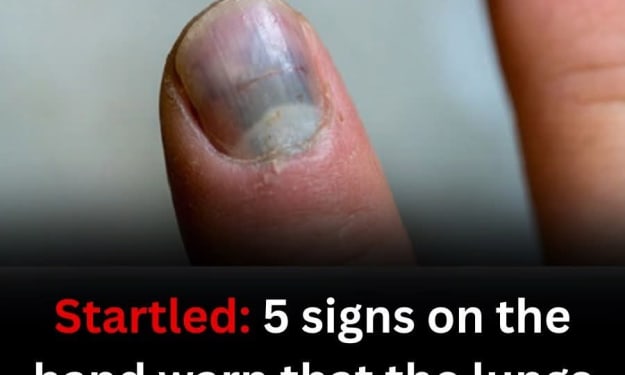
5 Signs on the Hand Warn That the Lungs Are in Danger
Our body is a complex and intelligent system that often gives early warning signs when something is wrong. While we often focus on symptoms like coughing or chest pain when thinking about lung problems, the truth is that our hands can also reveal critical clues about lung health. The hands are full of blood vessels and nerve endings, and subtle changes in their appearance or function may reflect underlying issues—including problems with the lungs. Being aware of these signs can help with early detection of respiratory illnesses such as chronic obstructive pulmonary disease (COPD), lung cancer, pulmonary fibrosis, or infections. Below are five hand-related symptoms that may indicate your lungs are in danger and should not be ignored. --- 1. Clubbing of the Fingers What it looks like: Clubbing refers to a physical change in the shape of the fingers and fingernails. The tips of the fingers become larger and rounder than normal, and the nails may curve around the fingertips, becoming more bulbous. When viewed from the side, the angle between the nail and the nail bed disappears or becomes more pronounced. Why it matters: Finger clubbing is one of the most recognized signs of chronic lung disease. It’s associated with conditions that reduce oxygen levels in the blood over time, such as lung cancer, interstitial lung disease, or chronic bronchitis and emphysema. The exact cause of clubbing isn’t fully understood, but it is believed to result from changes in blood flow and oxygenation in the fingers due to low oxygen in the bloodstream. What to do: If you notice clubbing and haven't been diagnosed with a lung condition, it's important to consult a healthcare provider for evaluation, especially if accompanied by breathing difficulties or persistent coughing. --- 2. Cyanosis (Bluish Fingertips or Nails) What it looks like: A bluish or purplish tint to the fingertips, fingernails, or lips is called cyanosis. It may be subtle at first, especially in colder weather, but persistent discoloration is concerning. Why it matters: Cyanosis occurs when oxygen levels in the blood are dangerously low. This is a hallmark sign of lung-related conditions such as asthma attacks, pneumonia, COPD exacerbations, or advanced pulmonary disease. If the lungs are not able to properly exchange oxygen, the extremities show the effects quickly. What to do: Cyanosis is a medical emergency if it occurs suddenly or is accompanied by shortness of breath, chest pain, or confusion. Seek immediate medical help. Chronic cyanosis should also be evaluated as it could indicate underlying lung dysfunction. --- 3. Tremors or Shaking Hands What it looks like: Fine shaking or trembling of the hands, especially when holding something or trying to perform a task. This symptom is more than just nervousness—it can be subtle but persistent. Why it matters: Shaky hands can sometimes point to carbon dioxide retention, a condition seen in severe COPD or other advanced lung disorders. When the lungs can’t expel enough carbon dioxide, it builds up in the blood, affecting the nervous system and muscle control, which may lead to tremors. What to do: If you're noticing unusual shaking in your hands along with symptoms like fatigue, confusion, or breathlessness, consult a doctor. Arterial blood gas tests or pulmonary function tests may be required to assess lung performance. --- 4. Dry, Cracked Skin on the Hands What it looks like: Persistent dryness, cracking, or flaking of the skin on the hands, especially around the knuckles or fingertips, that doesn’t improve with regular moisturizing. Why it matters: While dry skin can result from weather or dehydration, in some cases, it may be a symptom of systemic sclerosis or pulmonary fibrosis, autoimmune conditions that also affect the lungs. These diseases can reduce blood flow to the extremities and alter skin texture, indicating deeper internal inflammation affecting the lungs. What to do: Chronic dry and cracked skin on the hands—especially if it's painful or linked to other symptoms like joint stiffness, shortness of breath, or fatigue—warrants a full medical examination. --- 5. Weak Grip Strength or Numbness What it looks like: Difficulty gripping objects, frequent dropping of items, or a noticeable reduction in hand strength. Some may also feel tingling or numbness in the fingers. Why it matters: While grip strength can decline with age or inactivity, sudden or progressive weakness may signal underlying oxygen deprivation or poor circulation caused by chronic lung disease or cardiovascular problems. In some cases, lung cancer pressing on nerves or causing paraneoplastic syndromes may present with muscle weakness or nerve-related symptoms in the hands. What to do: Weakness, especially when paired with fatigue, shortness of breath, or weight loss, should be taken seriously. It may indicate systemic issues related to poor lung function. --- Final Thoughts Your hands can serve as a valuable health monitor, often revealing early signs of serious internal problems, including issues with the lungs. Finger clubbing, cyanosis, tremors, dry or cracked skin, and reduced grip strength are not just minor cosmetic changes—they can be red flags that your lungs are struggling. If you notice any of these signs, especially in combination with other symptoms like coughing, shortness of breath, or unexplained fatigue, it’s crucial to seek medical attention. Early diagnosis and treatment can dramatically improve outcomes for many lung conditions. Paying attention to what your body is trying to tell you—right down to your fingertips—can be a lifesaving decision.
By DigitalAddiabout a year ago in Education
4 Morning Habits That Increase Stroke Risk and How to Avoid Them
Strokes are among the leading causes of disability and death worldwide, and many people are unaware that some of their everyday habits, especially in the morning, may be silently increasing their risk. Morning routines set the tone for the rest of the day, and while they often seem harmless, certain behaviors can put strain on the heart and brain. This article explores four common morning habits that may contribute to stroke risk and provides practical advice on how to change them for better long-term health. 1. Skipping Breakfast or Choosing Unhealthy Options Skipping breakfast is a habit many people fall into, either due to time constraints or simply a lack of appetite in the morning. Others might reach for convenient but unhealthy foods like pastries, sugary cereals, or fast food. While this might seem like a small issue, it can have major consequences for your cardiovascular health. Studies show that skipping breakfast is linked to increased blood pressure, higher cholesterol levels, and a greater risk of developing heart disease and stroke. When you skip breakfast, your body may react with hormonal changes that increase blood sugar and blood pressure levels later in the day. Over time, this stress on your system can damage arteries and increase stroke risk. Eating a breakfast high in sugar or saturated fats can also contribute to clogged arteries by raising LDL (bad) cholesterol levels. How to avoid it: Start your day with a balanced meal that includes whole grains, protein, and fruits or vegetables. Examples include oatmeal with fruit and nuts, whole-grain toast with eggs, or a smoothie with leafy greens and protein. A nutritious breakfast helps regulate blood sugar and blood pressure, supporting overall heart and brain health. 2. Rushing and Experiencing High Stress Many people wake up feeling behind schedule, leading to a rushed and chaotic morning. Whether it's skipping your morning routine, fighting traffic, or trying to meet deadlines, this type of stress can trigger a sharp increase in blood pressure. Acute stress responses, especially when repeated daily, can lead to chronic hypertension—a major risk factor for stroke. Stress causes the body to release hormones like cortisol and adrenaline, which temporarily increase heart rate and blood pressure. If this becomes a pattern, it can weaken blood vessels and increase the risk of clots or bleeding in the brain. How to avoid it: Wake up 15–30 minutes earlier than usual to give yourself more time in the morning. Establish a routine that includes calming activities, such as stretching, meditation, or simply sitting quietly while drinking water or tea. Reducing morning stress can lower your baseline blood pressure and protect your cardiovascular health. 3. Not Drinking Water After Waking Up After several hours of sleep, your body is naturally dehydrated. Many people ignore this and go straight to coffee or tea, both of which can further dehydrate you. Dehydration makes the blood thicker, which increases the risk of blood clots forming—one of the primary causes of ischemic stroke. Thicker blood puts more pressure on the heart and can make it harder for blood to circulate properly. If the blood flow to the brain is restricted due to a clot, a stroke can occur. Proper hydration in the morning is essential to help the circulatory system function efficiently. How to avoid it: Make it a habit to drink at least one full glass of water as soon as you wake up. Keep a water bottle or glass next to your bed as a reminder. Throughout the morning, continue drinking water to stay hydrated, especially if you drink caffeinated beverages like coffee or tea. 4. Ignoring Symptoms or Pushing Through Fatigue Morning is often when subtle warning signs of stroke can appear—such as dizziness, headaches, or numbness in one side of the body—but people tend to dismiss them. Instead of slowing down and assessing their condition, many push through the discomfort, thinking they’re just tired or stressed. Others may overexert themselves during exercise or skip proper warm-ups, putting strain on an already stressed cardiovascular system. Ignoring early warning signs or placing unnecessary stress on the body can result in severe outcomes. A stroke can develop quickly, and delaying medical attention can increase the chances of permanent damage. How to avoid it: Pay attention to your body in the morning. If you feel unusual symptoms such as sudden confusion, weakness, vision changes, or severe headaches, seek medical help immediately. When exercising, start slowly and give your body time to adjust. It’s better to do light exercise consistently than to overdo it and risk injury or stress to your heart and brain. Conclusion Our morning habits have a stronger impact on long-term health than most of us realize. Skipping a nutritious breakfast, starting the day with stress, neglecting hydration, and ignoring early warning signs are behaviors that can significantly raise the risk of stroke over time. Fortunately, these habits can be changed with simple adjustments. By making thoughtful choices in the morning—such as eating a healthy breakfast, staying hydrated, managing stress, and paying attention to your body—you can protect your cardiovascular and brain health. Stroke prevention is not just about medication or emergency care; it's about building a lifestyle that supports your body every day, starting with how you begin each morning.
By DigitalAddiabout a year ago in Education
The Mystery of the Hotel Bed Runner: More Than Just Decoration
If you’ve ever checked into a hotel room, you’ve probably noticed a colorful strip of fabric neatly laid across the foot of the bed. It might seem like just a decorative flourish, but this “bed runner” is a fixture in hotels around the world for reasons that go far beyond aesthetics. Many travelers are surprised to learn that this simple piece of cloth serves a variety of practical and operational purposes, all designed to enhance your stay and keep hotels running smoothly.
By DigitalAddiabout a year ago in Education
The Surprising Health Benefits of Sweet Potatoes: Why You Should Add Them to Your Diet Today
Sweet potatoes, with their vibrant hues and naturally sweet flavor, are more than just a delicious comfort food. For centuries, they have been a dietary staple in many cultures, valued not only for their taste but also for their impressive nutritional profile. If you love eating sweet potatoes—or even if you’re just curious about them—there’s a lot to gain from understanding why this root vegetable is considered a superfood by nutritionists around the world. What Makes Sweet Potatoes Special? Sweet potatoes are root vegetables that come in a variety of colors, most commonly orange, purple, and white. Unlike regular potatoes, sweet potatoes are naturally sweet and packed with nutrients. Their flesh can range from creamy white to deep orange, and even purple, depending on the variety. The most common type found in markets is the orange-fleshed sweet potato, which is particularly rich in beta-carotene. Nutritional Powerhouse One of the most compelling reasons to eat sweet potatoes is their outstanding nutritional value. Here’s what makes them stand out: Rich in Vitamins and Minerals: Sweet potatoes are an excellent source of vitamin A (in the form of beta-carotene), vitamin C, manganese, potassium, and several B vitamins. High in Fiber: The fiber content in sweet potatoes helps promote digestive health, supports gut bacteria, and can aid in maintaining a healthy weight. Antioxidant Properties: The colorful pigments in sweet potatoes, especially the orange and purple varieties, are loaded with antioxidants that help protect your body from free radical damage. Low Glycemic Index: Despite their sweetness, sweet potatoes have a relatively low glycemic index, meaning they don’t cause rapid spikes in blood sugar levels when eaten in moderation. Health Benefits of Sweet Potatoes 1. Supports Eye Health The high beta-carotene content in orange sweet potatoes is converted into vitamin A in the body, which is essential for good vision. Regular consumption can help prevent vitamin A deficiency, a common cause of blindness in developing countries. 2. Boosts Immunity Vitamin A is also crucial for a healthy immune system. Sweet potatoes provide a significant portion of your daily vitamin A needs, helping your body fight off infections and illnesses. 3. Promotes Healthy Digestion The fiber in sweet potatoes, both soluble and insoluble, aids in digestion and helps prevent constipation. A healthy digestive tract is key to overall well-being and nutrient absorption. 4. Supports Heart Health Sweet potatoes are rich in potassium, a mineral that helps regulate blood pressure by balancing sodium levels in the body. Their antioxidants also help reduce inflammation, which is linked to heart disease. 5. Helps Manage Blood Sugar Unlike some starchy foods, sweet potatoes have a lower glycemic index and are high in fiber, which slows the absorption of sugars. This makes them a better choice for people managing diabetes or looking to maintain steady energy levels. 6. May Enhance Brain Function Purple sweet potatoes, in particular, contain compounds that have been shown to improve memory and cognitive function in animal studies. Their antioxidants help reduce inflammation and protect brain cells from damage. How to Enjoy Sweet Potatoes Sweet potatoes are incredibly versatile and can be enjoyed in a variety of ways: Baked or Roasted: Slice them into wedges, drizzle with olive oil, and roast for a delicious side dish. Mashed: Boil and mash with a touch of butter and herbs for a comforting meal. In Soups and Stews: Add chunks of sweet potato to soups and stews for extra flavor and nutrition. As Fries: Cut into thin strips, season, and bake for a healthier alternative to regular fries. Desserts: Use sweet potatoes in pies, puddings, or even brownies for a naturally sweet treat. Tips for Buying and Storing Sweet Potatoes Choose sweet potatoes that are firm, smooth, and free from bruises or soft spots. Store them in a cool, dry, and dark place—not in the refrigerator, as cold temperatures can alter their taste and texture. Wash them thoroughly before cooking, but don’t peel them unless necessary—the skin contains valuable nutrients and fiber. Are There Any Risks? Sweet potatoes are generally safe for most people when eaten as part of a balanced diet. However, those with kidney problems should moderate their intake due to the high potassium content. Also, excessive consumption of beta-carotene-rich foods can cause the skin to turn slightly orange, a harmless condition known as carotenemia. Conclusion Sweet potatoes are a delicious, affordable, and nutrient-dense food that can easily be added to your daily meals. Whether you’re looking to boost your vitamin intake, support your immune system, or simply enjoy a tasty and filling food, sweet potatoes have something to offer. It’s never too late to make a positive change—start enjoying the benefits of sweet potatoes today and see how this humble root can truly change your life!
By DigitalAddiabout a year ago in Education
Performing Vulnerability: When Strategic Disclosure Becomes a Shield For The Powerful.
Introduction: The New Currency of Influence In an era demanding authenticity, vulnerability has become a prized leadership trait. Yet, a dangerous counter-trend has emerged: performed vulnerability—the calculated, self-serving disclosure of weakness by elites to evade accountability, manipulate perception, and consolidate power. This weaponization of emotional openness corrupts genuine connection, turning a tool for trust into armor for the untouchable.
By Jacky Kapadiaabout a year ago in Education
Cosmic Speed Demon: Earth's 1.3 Million MPH Journey Through Space (Calculated)
Introduction: The Illusion of Stillness We sip coffee, watch sunsets, and feel firmly grounded. Yet beneath this illusion of stillness, Earth is a cosmic speed demon, hurtling through the void at a staggering 1.3 million miles per hour (2.1 million km/h). This isn’t science fiction—it’s calculated astrophysics. Understanding this motion transforms our perception of reality and reveals the universe’s hidden choreography.
By Jacky Kapadiaabout a year ago in Education
Fat Joe’s TS Elite Invitational Isn’t Just Basketball—It’s a Bronx Blueprint
How Fat Joe Is Bridging Hip-Hop, Hoops, and Generational Hustle The Terror Squad CEO isn’t just throwing an AAU tournament—he’s building a cultural pipeline. Welcome to the TS Elite Invitational, where every crossover comes with a lesson.
By NWO SPARROWabout a year ago in Education