vintage
Vintage education shows us that elevating our level of comprehension has been beneficial to humanity's growth and success.
Chaos and Loyalty: The Battle for Control of the Pentagon
Washington, D.C. — As tensions within the Pentagon’s senior ranks escalate, President Donald Trump appears unwilling to distance himself from Pete Hegseth, the Fox News personality and informal adviser whose influence has fueled frustration among Defense Department officials. Despite mounting concerns over disorganization in Defense Secretary Mark Esper’s inner circle, Hegseth remains a trusted voice in the president’s ear—raising questions about the stability of military leadership just months before the election.
By JOY SHORKAR2 years ago in Education
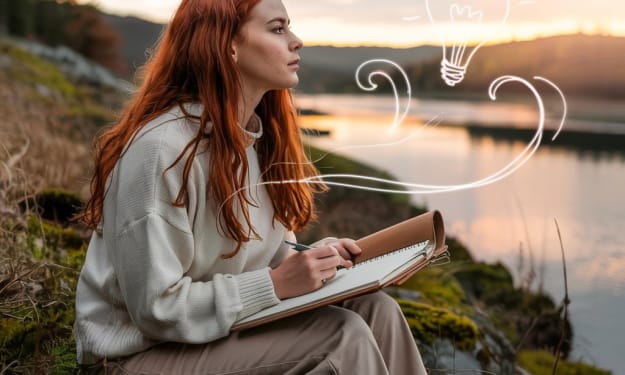
The Psychology of Solitude: How Alone Time Shapes Creativity and Mental Health
In today’s fast-paced world, the idea of spending time alone can be intimidating. Many people associate solitude with loneliness or isolation, often fearing the quiet moments that come when we are disconnected from others. However, research and experience show that solitude can be a powerful tool for personal growth, creativity, and emotional well-being. The Science of Solitude At its core, solitude is simply the state of being alone without feeling lonely. It’s important to distinguish solitude from loneliness, as the latter can lead to feelings of isolation and sadness, while solitude can foster introspection, self-discovery, and creativity. The key difference lies in the intention behind it. While loneliness often stems from a lack of social connection, solitude is a voluntary experience that provides space for reflection and inner peace. Psychologically, solitude has been shown to have numerous benefits. When alone, the brain shifts into a different mode, allowing individuals to process thoughts, analyze experiences, and engage in deep thinking. This cognitive shift can trigger creativity, as it allows the brain to wander freely without distractions. In solitude, the mind is able to make connections that may not be possible in a busy, social environment. Research by the University of California has found that solitude helps to increase brain activity in the regions associated with memory and creative problem-solving. When we are alone, the brain has the freedom to engage in “mind-wandering,” a state that has been linked to creative breakthroughs and innovative ideas. In this mental space, new neural connections are formed, allowing individuals to solve problems more efficiently and come up with original solutions. Solitude and Creativity One of the most profound impacts of solitude is its ability to enhance creativity. Many artists, writers, musicians, and other creators have long advocated for spending time alone to nurture their creative processes. This is because, in solitude, the mind is free from external noise and social pressures, allowing it to focus solely on the task at hand. Albert Einstein once said, “The monotony and solitude of a quiet life stimulates the creative mind.” Indeed, solitude provides the perfect environment for deep thought and creative exploration. When we are alone, we are less likely to be influenced by others’ opinions or societal expectations. Instead, we can focus on our own ideas and perspectives, giving rise to innovation and originality. In addition to fostering creativity, solitude allows individuals to develop their creative talents without fear of judgment or interruption. Writers, for instance, often experience a surge in inspiration when they retreat into solitude, enabling them to write freely without distractions. Similarly, musicians and artists benefit from uninterrupted time alone, where they can experiment, refine their skills, and push the boundaries of their craft. Mental Health Benefits of Solitude Beyond its creative benefits, solitude also plays a crucial role in improving mental health. In our constantly connected world, many people feel overwhelmed by the demands of daily life, including work, social media, and relationships. Taking time to be alone allows individuals to recharge, clear their minds, and regain a sense of inner balance. Spending time alone can help reduce stress and anxiety by providing a break from external stimuli and social pressures. It’s in these moments of solitude that we can engage in mindfulness practices, meditation, and self-reflection, all of which contribute to better mental health. Research from the American Psychological Association suggests that solitude can help individuals reduce their stress levels, improve their emotional regulation, and foster greater self-awareness. Moreover, solitude allows for emotional healing. Many people find that spending time alone gives them the space they need to process difficult emotions, such as grief, anger, or disappointment. In solitude, there are no distractions to mask these feelings; instead, individuals can confront their emotions head-on, leading to personal growth and emotional resilience. How to Use Solitude Effectively While solitude can be incredibly beneficial, it’s important to approach it mindfully. Spending too much time alone, especially without purpose, can lead to feelings of loneliness and isolation. To reap the benefits of solitude, it’s essential to balance it with meaningful activities that nourish the mind and spirit. Here are some tips for using solitude effectively: 1. Set Intentions: Use your time alone with a clear purpose. Whether it’s to work on a creative project, reflect on your emotions, or practice mindfulness, having an intention will help you make the most of your solitude. 2. Create a Comfortable Space: Designate a quiet area where you can feel at ease. This could be a cozy corner at home, a peaceful spot in nature, or a quiet café. A comfortable environment helps you relax and focus. 3. Limit Distractions: To fully immerse yourself in solitude, turn off your phone or any other distractions. This allows you to engage deeply with your thoughts and emotions. 4. Practice Mindfulness or Meditation: Use your alone time to engage in mindfulness practices, such as deep breathing, journaling, or meditating. These activities help to calm the mind and improve emotional well-being. 5. Take Breaks from Social Media: Social media can often lead to overstimulation and comparison. Taking time away from these platforms allows you to reconnect with yourself and your own thoughts. Conclusion Solitude is often misunderstood as a negative experience, but when used intentionally, it can be a powerful tool for enhancing creativity and improving mental health. By embracing moments of solitude, we can foster self-awareness, reduce stress, and unlock the creative potential within us. So, the next time you find yourself alone, embrace the opportunity to explore your thoughts, recharge your spirit, and allow your creativity to flourish.
By Majid Ullah2 years ago in Education
Earth Day 2025
when is earth day 2025 Earth Day 2025: A Pivotal Moment for Our Planet As the 55th anniversary of Earth Day approaches in 2025, the world stands at a critical crossroads in the fight against climate change. With Google Trends data revealing surging interest in “Earth Day 2025,” this milestone is poised to become a defining moment for global environmental awareness, innovative green technology, and collective climate action. In this blog, we’ll unpack the trends, predictions, and SEO-optimized insights you need to stay ahead of this revolutionary movement.
By John William2 years ago in Education
Daily Habits That Keep Me Mentally Strong
Mental strength isn’t something I was born with. In fact, for the longest time, I thought being strong meant pushing through everything, bottling up emotions, and pretending to be okay. But life, as it does, taught me otherwise. I’ve learned that mental strength is not about avoiding pain.It’s about learning how to carry it with grace. Over the past few years, I’ve slowly built small habits that have made a huge difference in my emotional resilience. They are not fancy, or dramatic. But they’re consistent. And they’ve become the foundation of my mental wellness. Today, I want to share these with you. Maybe you’re going through a tough time. Maybe you’re trying to rebuild. Or maybe, like me, you're just trying to feel a little better each day. Either way—I hope this helps. 1. I start my mornings slowly and intentionally I used to wake up and immediately check my phone. Emails. Social media. The news. It was overwhelming before I’d even left my bed. So I changed that. Now, I start with just 5-10 minutes of quiet. Sometimes I stretch, sometimes I just sit with my coffee and breathe. I don’t pressure myself to meditate or be productive—I just try to be. And that small pause helps set the tone for my whole day. 2. I check in with myself daily Emotions don’t knock. They creep in slowly, and if I don’t check in, I miss them until they explode. So now, every day, I take a few minutes to ask myself: How am I really feeling? What’s on my mind today? Is my body feeling tense or tired? This isn’t journaling for pages—just a quiet internal check. It helps me stay connected with myself. And the more honest I am, the more in control I feel. 3. I move my body ,not to change it, but to thank it Exercise used to be about punishment for me. Running to burn calories. Doing pushups to “fix” myself. Now? I move because it helps me mentally. Some days it’s a walk. Some days it’s yoga. Other days it’s dancing alone in my room like an idiot. But every time I move, I feel something shift inside me. Like my worries untangle themselves, one by one. 4. I set boundaries and respect them This one was hard. I used to say yes to everything and everyone—even when I was burnt out. But now, I remind myself: saying no to others is often saying yes to myself. I’ve started protecting my time, energy, and space. I don’t feel guilty for turning down plans. I mute group chats. I even let myself rest without “earning” it. And surprisingly, that’s made me feel more emotionally balanced than ever. 5. I limit my doom scrolling and news intake Yes, the world is heavy. Yes, we should care. But drowning myself in bad news every day only made me anxious and numb. So now, I limit myself. I check the news once a day—max. I unfollow accounts that constantly spread fear. I follow creators who bring hope, humor, and healing. Protecting what I consume is part of protecting my peace. 6. I allow myself to feel everything without shame Some days, I cry without knowing why. Some days, I laugh louder than I should. Some days, I feel nothing at all. And I’ve stopped judging any of it. Mental strength, I’ve realized, isn’t about being positive all the time. It’s about being honest—with yourself, and with your emotions. Now, I let myself feel the sadness, the frustration, the joy. All of it is valid. All of it is human. 7. I practice gratitude but gently I used to think gratitude was writing 10 things every night and forcing myself to “be thankful.” That didn’t work for me. Now, I just pause during the day and notice something: the sunlight on my face, a warm cup of tea, a message from a friend. These small acknowledgments help me stay grounded. I don’t force gratitude. I let it come, naturally. In Closing I’m not perfectly balanced. I still have bad days. I still overthink, overfeel, and sometimes just want to stay in bed. But these daily habits small and steady keep me anchored. They remind me that mental strength isn’t loud. It’s quiet, consistent, and kind. If you’re trying to feel better, please know this: you don’t need to do everything at once. Start with one small thing. Be gentle with yourself. Healing takes time—but you are not alone.
By Jacob Smith 2 years ago in Education
The Lion and the Rabbit: A Tale of Wit and Strength
Once upon a time, in a lush green forest ruled a mighty lion named Zor. His roar echoed through the trees, and all the animals feared him. He declared himself the king of the jungle and demanded that each day, one animal would come to him as his meal. “This way,” he said, “I won’t have to hunt, and you all will live longer.”
By Ak Hussain 2 years ago in Education
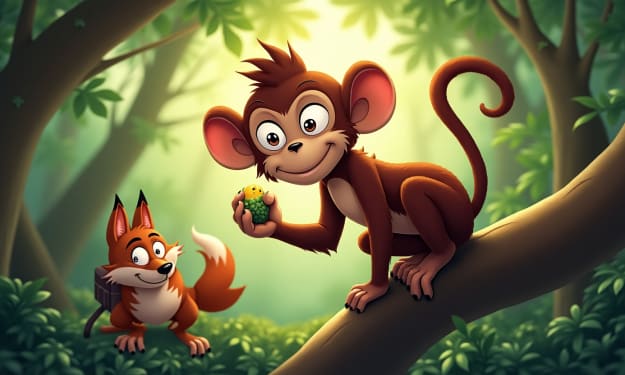
The Cunning Monkey
The Cunning Monkey Deep in the heart of a vast, vibrant jungle, where sunlight filtered through thick canopies and the air buzzed with the songs of birds, there lived a monkey named Miko. Unlike the other monkeys who spent their days swinging from branches and playing together, Miko was different. He was clever—too clever. His sharp mind often led him to mischief, and while some animals admired his intelligence, many others distrusted him.
By Shahzad Khan2 years ago in Education
Earth Day 2025 Importance, Theme, and How to Celebrate with Activities for a Sustainable Future.
Earth Day 2025 Importance, Theme, and How to Celebrate with Activities for a Sustainable Future. "Discover the History Significance, and Practical Ways to Celebrate Earth Day 2025 for a Greener Tomorrow"
By Adnan Rasheed2 years ago in Education
NAACP Sues U.S. Education Department Over DEI School Funding Cuts
NAACP Sues U.S. Education Department Over DEI School Funding Cuts Civil Rights Group Alleges Discrimination, Threat to Black Students’ Equality --- The Core Allegations On April 15, 2025, the NAACP filed a federal lawsuit against the U.S. Department of Education, claiming that the Trump administration has been targeting schools that use diversity, equity, and inclusion (DEI) programs in an illegal manner. The lawsuit, *NAACP v. U.S. The Department of Education* contends that the administration's actions constitute a violation of civil rights laws and pose a threat to Black students' access to equal educational opportunities. The Education Department's two major actions are the focus of the complaint: 1. **The February 14 “Dear Colleague” Letter**: This warned schools that federal funding could be revoked if they consider race in admissions, hiring, scholarships, or other policies—a move the NAACP calls a “misinterpretation” of civil rights laws . 2. **April 3 Compliance Demands**: Schools were required to certify their adherence to anti-DEI policies by April 24, with threats of defunding for noncompliance. Institutions like Brown University and Harvard faced immediate financial repercussions, including frozen grants . --- Context: Trump’s Anti-DEI Agenda The lawsuit was filed in the context of President Donald Trump's larger campaign to eliminate DEI initiatives and racial preferences. The administration has framed these programs as discriminatory, leveraging Title VI of the Civil Rights Act of 1964 and a 2023 Supreme Court decision that struck down race-conscious college admissions . Critics argue this reinterpretation flips the intent of civil rights laws, prioritizing “anti-white racism” over systemic inequities . --- Effect on Students and Schools The NAACP highlighted tangible consequences of the funding threats: - Cancelled Programs The Waterloo, Iowa, school district withdrew first-grade students from the University of Northern Iowa’s annual African American Read-In, which had engaged 3,500 students across 73 schools . - Financial Pressure Brown University faced a $510 million funding freeze, while Harvard saw $2.2 billion withheld after refusing to comply . -Chilling Effect Educators fear DEI cuts will exacerbate racial disparities in underfunded, segregated schools. Black students already attend schools with declining white populations (24.5% in 2021 vs. 34.7% in 1990) and rising segregation . --- Legal and Moral Arguments The NAACP’s 52-page complaint alleges: -Constitutional Violations The policies infringe on equal protection rights and enable “viewpoint discrimination” against inclusive curricula . Misuse of Title VIThe administration weaponized anti-discrimination laws to justify defunding DEI programs, despite their role in closing opportunity gaps . -Factual Inaccuracies The Education Department’s guidelines were criticized as “broad, vague, and difficult to understand,” creating confusion among schools . NAACP President Derrick Johnson condemned the administration for “deepening harm” by denying systemic racism: > “Children of color consistently attend segregated, chronically underfunded schools where they receive less educational opportunities and more discipline. These truths will not vanish if you deny them. --- Broader Implications The lawsuit reflects a growing battle over racial equity in education: -EU Parallels Similar tensions between nationalist policies and multilateral cooperation have arisen globally, as seen in recent U.S.-EU trade conflicts [contextual link to prior analysis*]. - Political Divide The case underscores ideological clashes between Trump’s populist base—which views DEI as “woke” overreach—and civil rights advocates fighting for historical accountability . - Legal Precedent A ruling could redefine how civil rights laws are applied, potentially affecting K-12 and higher education nationwide.
By Rabbi Ahmad2 years ago in Education