trade school
Trade school tips to keep you a step ahead; make the most out of your trade school experience as a soon-to-be electrician, dental hygienist, paralegal, nurse, graphic designer, and others.
The Architect of Equality: Dr. B.R. Ambedkar
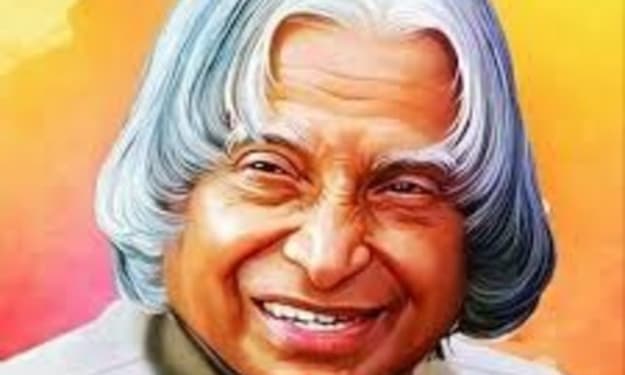
Dr.babasaheb Ambedkar he lowest rung of the Hindu caste system, Bhimrao Ramji Ambedkar faced a lifetime of discrimination and injustice. Yet, through sheer grit and unwavering determination, he rose to become one of the most influential figures in modern Indian history. His life stands as a testament to the power of education, the pursuit of social justice, and the unwavering belief in human equality. Early Life and Education: Ambedkar's early life was marked by profound hardship. Born in 1891 in Mhow, India, he experienced firsthand the dehumanizing effects of untouchability. Denied access to basic human rights and opportunities, he was barred from attending schools with other children. However, his thirst for knowledge remained unquenched. With the support of the Maharaja of Baroda, he pursued higher education, earning degrees from prestigious institutions such as Columbia University and the University of London. A Champion of Social Justice: Ambedkar's academic pursuits were intertwined with his deep-seated commitment to social reform. He became a vocal advocate for the rights of the oppressed, tirelessly fighting against caste discrimination and advocating for the empowerment of Dalits, women, and laborers. His writings, such as "The Annihilation of Caste," eloquently articulated the injustices of the caste system and offered a powerful critique of Hindu social order. Architect of the Indian Constitution: As the chairman of the Drafting Committee of the Indian Constitution, Ambedkar played a pivotal role in shaping the destiny of the newly independent nation. He ensured that the Constitution enshrined principles of equality, justice, and social justice, outlawing discrimination on the basis of caste, religion, and gender. A Legacy of Inspiration: Ambedkar's legacy extends far beyond his contributions to Indian society. He remains a global icon of social justice, inspiring movements for equality and human rights across the world. His unwavering belief in the power of education and his lifelong struggle against oppression continue to resonate with those who strive for a more just and equitable world. Copyright: This text is for informational purposes only and may be freely used and shared. This expanded response provides a more comprehensive overview of Dr. B.R. Ambedkar's life and contributions. It highlights his early struggles, his academic achievements, his role in the Indian independence movement, and his lasting impact on the world.
By Suresh Patil2 years ago in Education
The Looking Glass: Chains of Assumptions
Dear readers, instead of my usual short snippets on a theme, I’m sharing an in-progress essay on a topic near and dear to my heart. A short summary and set of implications are behind the subscriber paywall. As always, thank you for your reading and support. Sending you much love and warmth during this holiday season.
By Tanya Carroll2 years ago in Education
10 Secrets to Building a Strong and Lasting Relationship: Unlock the Key to Deeper Connections
**10 Secrets to Building a Strong and Lasting Relationship** A strong and lasting relationship is built on trust, understanding, and mutual respect. Whether you're in a romantic partnership, a close friendship, or a professional bond, the principles that underpin successful relationships are universal. Here are 10 secrets to help you build a lasting, fulfilling relationship that can withstand the tests of time and challenges. ### 1. **Communicate Openly and Honestly** Effective communication is the cornerstone of any strong relationship. Open and honest dialogue fosters trust and understanding between individuals. Without good communication, misunderstandings can arise, leading to frustration and conflict. To communicate effectively, it's important to listen actively. This means not just hearing what the other person says, but also understanding their emotions and thoughts. Ask questions, express your feelings, and avoid assuming you know what the other person is thinking. When both parties communicate openly, it creates an environment of transparency, making it easier to address any issues that arise. ### 2. **Build Trust and Respect** Trust is the foundation upon which a lasting relationship is built. Without it, the relationship is likely to crumble under pressure. Building trust takes time, and it is earned through actions, not words. Be reliable, keep promises, and show consistency in your behavior. Respect is also vital. This means valuing the other person’s feelings, opinions, and boundaries. Respect their autonomy and individuality, and always approach differences with an open mind. Relationships where both partners feel respected are more likely to endure and flourish. ### 3. **Practice Empathy and Compassion** Empathy is the ability to understand and share the feelings of another. Practicing empathy helps you see things from your partner’s perspective, leading to greater understanding and connection. In difficult moments, showing empathy can ease tension and help both of you feel heard and valued. Compassion, on the other hand, involves acting on that understanding. It’s about offering support, kindness, and care when your partner is going through tough times. A relationship where both individuals practice empathy and compassion is one where each person feels supported and cared for, no matter what challenges arise. ### 4. **Learn to Compromise** No two people are exactly alike, and conflicts are bound to happen in any relationship. The key to overcoming disagreements is compromise. This doesn’t mean one person always gives in to the other; rather, it’s about finding a middle ground that works for both individuals. When you compromise, it shows that you’re willing to meet the other person halfway, which strengthens the bond between you. It also shows that you value the relationship more than being "right" all the time. Compromise creates an atmosphere where both individuals can feel heard and respected, even when opinions differ.
By Nora Ariana2 years ago in Education
Start Small, Dream Big: The Proven Path to Lasting Success
Start Small and Grow Big: The Path to Sustainable Success In a world that often glorifies instant success, it’s easy to feel pressured to aim big from the very beginning. While ambition is vital, the most sustainable and impactful growth often comes from starting small and expanding steadily. This approach allows for a firm foundation, gradual progress, and the ability to navigate challenges effectively. Coupled with the principles of faith, continuous learning, and strategic planning, this mindset can lead to lasting success. #### Why Starting Small is Better Than Starting Big 1. **Minimized Risk** Starting small reduces the risks associated with large-scale ventures. When you begin on a smaller scale, your financial and emotional investments are lower, allowing you to test the waters and refine your strategies without jeopardizing everything. Mistakes, which are inevitable, are less costly and easier to recover from. 2. **Opportunity to Learn and Adapt** Starting small allows you to learn as you go. You can observe what works and what doesn’t, adjust your approach, and gradually improve. This learning curve is crucial for building resilience and acquiring the skills needed to manage larger operations in the future. 3. **Building a Strong Foundation** Every great structure starts with a solid foundation. By starting small, you lay the groundwork for long-term success. You have the time to develop core values, build trust with your audience or clients, and create a system that can scale effectively. 4. **Focus on Quality Over Quantity** When starting small, you can pay close attention to quality. Whether it’s a business, a personal project, or a skill you’re developing, beginning on a smaller scale allows you to refine your craft and ensure that what you offer is top-notch. #### The Danger of Starting Big and Ending Small Starting big without the necessary experience, resources, or preparation can lead to failure. Many businesses and individuals have fallen into the trap of overestimating their capabilities, only to collapse under the weight of unrealistic expectations. Overspending, poor planning, and the inability to adapt can quickly turn what seemed like a promising venture into a cautionary tale.
By Nora Ariana2 years ago in Education
Teen Job Issues
For many teenagers, securing a job is a rite of passage—a way to gain independence, build responsibility, and start earning money. However, while having a job offers numerous benefits, it also comes with its own set of challenges. Teenagers often face unique issues in the workplace that can impact their job performance, mental well-being, and overall development. Understanding these issues is key to helping teens navigate their first jobs successfully while minimizing potential stressors.
By vidun Arambage2 years ago in Education
Making Sense of Yourself: A Journey to Self-Awareness and Authentic Living
In the fast-paced world we live in, it's easy to lose track of who we truly are amidst the noise of society’s expectations, external pressures, and daily distractions. Yet, making sense of yourself—understanding who you are, what you want, and where you're headed—is one of the most important journeys you'll ever embark on. Achieving clarity about your life and values isn’t just about finding answers; it’s about creating a relationship with yourself that allows you to embrace your strengths, acknowledge your weaknesses, and navigate life with confidence and authenticity. ### The Foundation: Self-Awareness The first step in making sense of yourself is developing self-awareness. This is the process of gaining insight into your own thoughts, emotions, and behaviors. Self-awareness allows you to examine who you are, what motivates you, and how you interact with the world around you. Without this clarity, it can be challenging to make decisions that align with your true desires. One effective way to build self-awareness is through reflection. Take time each day or week to pause and evaluate your thoughts and actions. Journaling can be a helpful tool here, allowing you to track your emotional responses and patterns over time. Ask yourself important questions: “What do I want from life? What makes me happy? What do I fear? What am I passionate about?” Another useful strategy is seeking feedback from trusted friends, family members, or mentors. Sometimes, others can offer perspectives on our behavior and motivations that we may overlook ourselves. Be open to receiving constructive criticism and allow yourself the space to grow from it. Self-awareness is not a destination, but a lifelong journey. As you change and evolve, so too should your understanding of yourself. ### The Importance of Knowing Your Values Once you gain some self-awareness, the next step is identifying your core values. Values are the guiding principles that shape your behavior, decisions, and relationships. They are the beliefs that define what’s important to you, whether it’s family, honesty, success, creativity, or kindness. When you live in alignment with your values, you feel fulfilled, centered, and at peace. On the other hand, when your actions are out of sync with your values, it can create internal conflict and dissatisfaction. To make sense of yourself, take time to reflect on what truly matters to you. What do you prioritize in life? Is it personal growth? Financial stability? Health? Relationships? Once you've identified your values, ask yourself whether your current actions reflect those principles. If not, consider what changes you need to make in order to live a more authentic life. For instance, if you value health but frequently neglect exercise or a balanced diet, it’s time to take action toward healthier habits that align with your beliefs. ### Embrace Your Strengths and Weaknesses Making sense of yourself involves an honest evaluation of both your strengths and weaknesses. Recognizing your strengths allows you to build on them, creating a sense of pride and self-confidence. However, acknowledging your weaknesses is equally important, as it enables you to understand areas in which you can improve and grow. Many people struggle with acknowledging their weaknesses because it can feel like a sign of failure. However, self-compassion is key here. Instead of viewing weaknesses as shortcomings, consider them as opportunities for personal growth. No one is perfect, and everyone has areas they can develop. Embrace your imperfections and be kind to yourself in the process. Incorporating this self-awareness into your daily life means setting realistic goals that challenge your weaknesses while leveraging your strengths. For example, if you recognize that you struggle with time management, you might begin using productivity techniques or setting clear goals to enhance your efficiency. By focusing on both your strengths and weaknesses, you empower yourself to reach new heights. ### Understanding Your Purpose Another essential component of making sense of yourself is finding your purpose. While this can seem like a daunting task, understanding your purpose gives you direction and meaning in life. Purpose is what drives you—it’s the reason you wake up every day and give your best effort. Many people go through life without ever fully understanding their purpose, while others discover it at a young age. If you’re unsure of your purpose, start by reflecting on the activities and passions that bring you joy and fulfillment. What do you naturally gravitate toward? What are you passionate about? What do you care about deeply? Your purpose might evolve over time as your life changes, and that’s okay. Some people find purpose in their careers, while others discover it in relationships, creative pursuits, or personal growth. Your purpose doesn’t need to be grand or world-changing to be meaningful. It simply needs to resonate with you on a deep level. ### Accepting the Journey of Self-Discovery Making sense of yourself is not a process that happens overnight. It’s a journey that requires patience, introspection, and a willingness to evolve. There will be times when you feel lost or uncertain, and that’s okay. These moments are often part of the process of growth. It’s important to embrace the uncertainty that comes with self-discovery. Life is constantly changing, and you will continue to change along with it. Rather than seeking to find a fixed identity, learn to embrace the fluidity of who you are. This mindset allows you to be more adaptable, open to new possibilities, and better equipped to navigate life’s ups and downs. ### The Role of Mindfulness in Making Sense of Yourself Mindfulness practices can greatly enhance the process of self-discovery. Mindfulness involves being fully present in the moment and observing your thoughts and feelings without judgment. This practice encourages self-compassion and helps you gain clarity about your desires, motivations, and reactions. By incorporating mindfulness techniques—such as meditation, deep breathing, or simply taking time to pause and observe your surroundings—you can gain greater insight into yourself and your needs. Mindfulness helps you listen to your intuition and avoid getting lost in external distractions. ### Conclusion: Embrace the Journey
By Nora Ariana2 years ago in Education
The Power of Grace: How Elegance, Mercy, and Kindness Transform Our Lives
**Grace: The Power of Elegance and Mercy** Grace is a word that carries profound depth and meaning, encompassing not only elegance and beauty but also mercy and forgiveness. It transcends cultures, languages, and philosophies, symbolizing a force that brings comfort, transformation, and connection. Grace is often celebrated in the arts, in literature, and in the spiritual realm. However, its true essence lies in how it manifests in everyday life, affecting our relationships, actions, and attitudes. ### Defining Grace At its core, grace can be described as a form of divine or human kindness that goes beyond what is expected. In Christianity, grace refers to the unearned love and favor of God toward humanity. It is the foundation of salvation, freely given without condition or merit. In a broader sense, grace also means an elegance or beauty of movement, form, or expression. It is seen in the delicate way someone walks, the eloquence with which they speak, or the subtle kindness they offer to others. It is an inner quality that radiates outward, a softening of the harsh edges of life. In the context of human interaction, grace often manifests as forgiveness, patience, and mercy—qualities that allow individuals to rise above conflicts and misunderstandings. It is about offering something unearned and unexpected, often when it is not deserved. It is the choice to act with compassion, to see the best in others even when their actions may not warrant it. ### Grace in Everyday Life
By Nora Ariana2 years ago in Education
Better Health, Better You: Unlock the Secrets to a Vibrant Life
foundation of a happy and successful life. It’s often said that “health is wealth,” and this truth becomes more evident as we age and realize that good health enables us to achieve our dreams, fulfill our responsibilities, and enjoy life to the fullest. Achieving better health is not just about avoiding illness—it’s about thriving physically, mentally, and emotionally. In this article, we will explore the key elements of achieving better health and how it directly impacts the quality of your life. ### The Importance of Better Health Good health is more than the absence of disease; it is a state of complete physical, mental, and social well-being. When you prioritize your health, you experience numerous benefits: 1. **Increased Energy Levels**: Proper nutrition, regular exercise, and sufficient rest give you the stamina to tackle daily tasks and pursue your passions. 2. **Improved Mood and Mental Clarity**: A healthy lifestyle boosts your mood and cognitive functions, making you more productive and emotionally stable. 3. **Reduced Risk of Chronic Diseases**: A commitment to healthy habits reduces your risk of conditions such as diabetes, heart disease, and obesity. 4. **Enhanced Longevity and Quality of Life**: Better health leads to a longer, more fulfilling life, allowing you to enjoy meaningful moments with loved ones. ### Nutrition: The Foundation of Better Health What you eat has a profound impact on your overall well-being. Nutrition provides the fuel your body needs to function optimally. To achieve better health, consider the following dietary principles: 1. **Embrace Whole Foods**: Focus on eating fresh fruits, vegetables, lean proteins, whole grains, and healthy fats. These foods are rich in essential nutrients and free from harmful additives. 2. **Hydration is Key**: Drink plenty of water throughout the day. Proper hydration aids digestion, regulates body temperature, and supports overall bodily functions. 3. **Practice Portion Control**: Overeating, even healthy foods, can lead to weight gain and other health issues. Listen to your body’s hunger and fullness cues. 4. **Limit Processed Foods**: Minimize your intake of sugary drinks, snacks, and processed meals that are high in unhealthy fats and added sugars. 5. **Balanced Eating**: Include a mix of macronutrients (carbohydrates, proteins, and fats) in your meals. Avoid extreme diets that eliminate entire food groups. ### Exercise: Moving Toward Better Health Physical activity is essential for maintaining and improving health. Regular exercise strengthens your heart, muscles, and bones, improves flexibility, and helps manage stress. Here’s how you can incorporate exercise into your routine: 1. **Find Activities You Enjoy**: Whether it’s dancing, swimming, yoga, or hiking, choose activities that make you happy to stay consistent. 2. **Aim for Consistency**: The World Health Organization recommends at least 150 minutes of moderate aerobic activity or 75 minutes of vigorous activity per week, combined with muscle-strengthening exercises twice a week. 3. **Make It a Habit**: Incorporate physical activity into your daily routine, such as taking the stairs instead of the elevator or going for a brisk walk during lunch breaks. 4. **Stretch and Recover**: Flexibility and recovery exercises like stretching, yoga, and adequate rest help prevent injuries and improve overall performance. ### Mental and Emotional Well-Being Better health is not just about your physical state; your mental and emotional health are equally important. A healthy mind supports a healthy body and vice versa. Consider these strategies for mental and emotional well-being: 1. **Practice Mindfulness**: Mindfulness techniques like meditation and deep breathing help reduce stress, improve focus, and promote emotional balance. 2. **Maintain Social Connections**: Strong relationships with family, friends, and community members provide emotional support and a sense of belonging. 3. **Set Realistic Goals**: Break down your goals into achievable steps. Celebrate small victories to stay motivated. 4. **Seek Help When Needed**: If you’re struggling with mental health challenges, don’t hesitate to seek professional support. Therapy and counseling can be life-changing. 5. **Cultivate Gratitude**: Practicing gratitude fosters a positive outlook and helps you appreciate the good things in life. ### Quality Sleep: The Unsung Hero of Health Sleep is often overlooked, but it plays a vital role in overall health. During sleep, your body repairs itself, consolidates memories, and restores energy levels. To improve your sleep quality: 1. **Stick to a Schedule**: Go to bed and wake up at the same time every day, even on weekends. 2. **Create a Relaxing Bedtime Routine**: Activities like reading, taking a warm bath, or meditating signal your body that it’s time to wind down. 3. **Limit Screen Time**: Avoid screens an hour before bed, as the blue light emitted can interfere with melatonin production and disrupt sleep. 4. **Optimize Your Sleep Environment**: Ensure your bedroom is quiet, dark, and at a comfortable temperature. ### Holistic Approach to Health A holistic approach integrates all aspects of health—physical, mental, emotional, and spiritual. Balance is key. For instance, you might combine healthy eating with regular exercise, stress management techniques, and social connections to create a comprehensive health strategy. Personal growth activities, such as learning new skills or pursuing hobbies, also contribute to overall well-being. ### Better Health, Better You: The Ripple Effect When you prioritize your health, the benefits extend beyond yourself. A healthier you can inspire and support your family, friends, and community. For example: 1. **Leading by Example**: Your commitment to a healthy lifestyle can motivate those around you to adopt similar habits. 2. **Being Present for Loved Ones**: Good health allows you to participate fully in the lives of those you care about, creating lasting memories. 3. **Contributing to Society**: A healthier population leads to reduced healthcare costs, increased productivity, and a stronger community. ### Final Thoughts Better health is not a destination; it’s a journey that requires consistent effort and self-care. By focusing on nutrition, exercise, mental well-being, quality sleep, and a holistic approach, you can achieve a healthier, happier, and more fulfilling life. Remember, every small step you take today brings you closer to becoming the best version of yourself. Make your health a priority, and watch as your life transforms for the better. After all, when you invest in your health, you’re investing in your future. Better health truly means a better you.
By Nora Ariana2 years ago in Education
The Missile Man: A Life Dedicated to Science and Nation . Content Warning.
Dr. Avul Pakir Jainulabdeen Abdul Kalam, tenderly known as the "Rocket Man of India," was an eminent aviation researcher and legislator who filled in as the eleventh Leader of India from 2002 to 2007. Brought into the world on October 15, 1931, in Rameswaram, Tamil Nadu, Kalam's excursion from a modest foundation to turning into the country's most noteworthy office is a demonstration of his devotion, steadiness, and steadfast obligation to logical advancement and public turn of events.
By Suresh Patil2 years ago in Education
The Significance of Education in Society
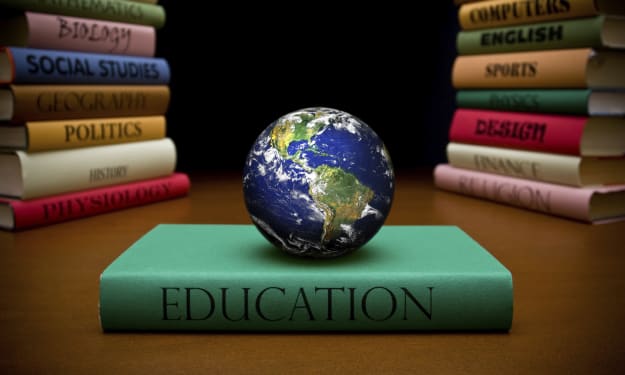
The Significance of Education in Society Education serves as a crucial instrument for personal development and the advancement of society. While many consider education to be synonymous with academic instruction or formal degrees, its impact reaches well beyond traditional learning environments. It influences various facets of human existence, including economic progress, social cohesion, creativity, and individual wellness.
By Health & Fitness2 years ago in Education