trade school
Trade school tips to keep you a step ahead; make the most out of your trade school experience as a soon-to-be electrician, dental hygienist, paralegal, nurse, graphic designer, and others.
The Rise of Virtual Reality in Everyday Life
Virtual reality (VR) is no longer confined to the realm of science fiction or specialized tech communities. Over the past few years, it has steadily integrated into various aspects of everyday life, transforming the way people work, learn, play, and connect. The rise of VR technology is not just about impressive visuals and immersive experiences; it is a cultural shift that is reshaping multiple industries and redefining human interactions in the digital age. One of the most noticeable areas where VR has made an impact is in the entertainment industry. Gaming, in particular, has seen a revolutionary transformation with the introduction of VR headsets such as the Oculus Quest, PlayStation VR, and HTC Vive. These devices have elevated traditional gaming experiences by immersing players in lifelike environments where they can interact with virtual worlds in real time. Players can explore fantasy landscapes, engage in intense battles, and even participate in social gatherings without ever leaving their living rooms. Beyond gaming, VR is being used for virtual concerts, movies, and theme park experiences, offering new ways to entertain and engage audiences. Education is another field where VR has proven to be a game-changer. Schools and universities are increasingly adopting VR as a teaching tool to provide students with immersive and interactive learning experiences. Imagine a history class where students can walk through ancient Rome or a science lesson where they can explore the human body at a microscopic level. VR enables learners to grasp complex concepts through visual and experiential methods, making education more engaging and effective. Additionally, VR can bridge the gap for remote learners, allowing them to feel present in virtual classrooms alongside their peers. The healthcare industry has also embraced VR technology with remarkable results. Surgeons can now use VR simulations to practice complex procedures, improving their skills without risking patient safety. VR is also being used in therapy and rehabilitation, helping patients overcome phobias, manage pain, and regain motor functions. For example, virtual environments can be created to gradually expose patients to their fears in a controlled and safe setting, leading to desensitization and emotional healing. The potential for VR in healthcare continues to grow as research and technology advance. In the business world, VR has become a valuable tool for collaboration and training. With remote work becoming increasingly common, companies are using VR platforms to conduct meetings, workshops, and team-building activities. These virtual environments allow employees to feel connected and engaged, even when working from different locations. VR is also being used for employee training, particularly in industries such as manufacturing, aviation, and customer service. Simulated environments provide a safe space for trainees to practice skills and handle challenging scenarios without real-world consequences. The retail and e-commerce sectors are also leveraging VR to enhance the shopping experience. Virtual showrooms and fitting rooms allow customers to explore products and try on clothing without stepping into a physical store. This not only saves time but also provides a more personalized and interactive shopping experience. Some real estate companies are using VR to offer virtual property tours, enabling potential buyers to explore homes from anywhere in the world. As VR technology becomes more accessible, it is likely to become a standard feature in the retail landscape. Social interaction is another aspect of daily life that VR is transforming. Virtual social platforms such as VRChat and AltspaceVR allow users to connect with friends and strangers in virtual environments, attending events, playing games, and simply hanging out. These spaces provide a sense of presence and community that traditional online interactions often lack. As VR technology continues to evolve, it has the potential to redefine how people build and maintain relationships in a digital age. Despite its many advantages, the rise of VR is not without challenges. One of the primary concerns is the cost of VR hardware, which can be prohibitively expensive for many users. However, as technology advances and production costs decrease, more affordable options are becoming available. Another concern is the potential for addiction and social isolation, as users may become overly immersed in virtual worlds at the expense of real-world interactions. Additionally, issues related to data privacy and security need to be addressed to ensure that users' personal information is protected. Looking ahead, the future of VR is promising. As technology continues to advance, VR experiences will become more realistic, accessible, and integrated into everyday life. The development of haptic feedback devices, which simulate touch sensations, will further enhance the immersive experience. Additionally, advancements in artificial intelligence will allow virtual environments to become more dynamic and responsive, creating richer and more personalized experiences.
By Nora Ariana2 years ago in Education
How Blockchain is Changing the Way We Do Business
Blockchain technology has emerged as one of the most transformative innovations in recent years, revolutionizing the way businesses operate across various industries. Initially developed as the underlying technology for cryptocurrencies like Bitcoin, blockchain has evolved into a versatile tool that offers transparency, security, and efficiency in business transactions and operations. Its decentralized and tamper-proof nature makes it a game-changer for companies looking to enhance their processes and build trust with stakeholders. At its core, blockchain is a distributed ledger technology that records transactions across multiple computers in a way that ensures data integrity and security. Unlike traditional databases, which rely on a central authority to validate and store information, blockchain uses a network of nodes to verify and record transactions. Each block of data is linked to the previous one, forming a chain that is virtually immutable. One of the key ways blockchain is changing business operations is through the enhancement of transparency and trust. In traditional business environments, trust is often established through intermediaries such as banks, auditors, and regulatory bodies. These intermediaries add time and cost to transactions. With blockchain, all participants in a network have access to a single, transparent version of the truth, which reduces the need for intermediaries and minimizes the risk of fraud or discrepancies. Supply chain management is one area where blockchain has had a significant impact. Businesses can use blockchain to track the movement of goods from the point of origin to the final destination, ensuring transparency and accountability at every stage. This is particularly important in industries such as food and pharmaceuticals, where consumers demand greater assurance about the quality and authenticity of products. For example, Walmart has implemented a blockchain-based system to trace the origin of produce, reducing the time it takes to track contaminated products from days to seconds. Another critical application of blockchain is in financial services. Traditional financial transactions often involve multiple intermediaries and lengthy processing times. Blockchain technology streamlines this process by enabling peer-to-peer transactions that are faster, cheaper, and more secure. Smart contracts, which are self-executing contracts with predefined rules, further automate and simplify complex financial agreements. This has made blockchain a popular choice for remittances, cross-border payments, and decentralized finance (DeFi) platforms. The real estate industry is also benefiting from blockchain technology. Property transactions typically involve a lot of paperwork, legal formalities, and third-party verification processes. Blockchain can simplify and speed up these transactions by providing a transparent and tamper-proof record of property ownership and transfer. Smart contracts can automate the execution of agreements, reducing the need for intermediaries and minimizing the risk of disputes. In the realm of identity management, blockchain offers a secure and efficient way to store and verify personal information. Traditional identity verification methods are often fragmented and vulnerable to data breaches. Blockchain enables individuals to have control over their digital identities by storing encrypted information on a decentralized network. This can be particularly beneficial for industries such as banking, healthcare, and government services, where secure and reliable identity verification is crucial. One of the most promising aspects of blockchain is its potential to facilitate new business models and revenue streams. Decentralized applications (DApps) built on blockchain networks are transforming industries ranging from social media to gaming and content creation. These applications operate without a central authority, giving users greater control over their data and interactions. For instance, blockchain-based social media platforms reward users for creating and sharing content, challenging the traditional advertising-driven model of social media giants. Despite its numerous advantages, blockchain technology also faces challenges that need to be addressed for widespread adoption. Scalability is a significant concern, as many blockchain networks struggle to handle a high volume of transactions efficiently. This has led to the development of new consensus mechanisms and layer-2 solutions aimed at improving scalability without compromising security. Energy consumption is another issue, particularly for proof-of-work (PoW) blockchain networks like Bitcoin. The energy-intensive process of mining has raised environmental concerns, prompting the adoption of more sustainable alternatives such as proof-of-stake (PoS) and other consensus algorithms that require less computational power. Regulatory uncertainty is also a barrier to blockchain adoption. Governments around the world are grappling with how to regulate blockchain and cryptocurrency activities to protect consumers while fostering innovation. Clear and consistent regulations are essential to create a stable environment for businesses to leverage blockchain technology. Security is another critical concern, as blockchain networks are not immune to cyber threats. While the decentralized nature of blockchain makes it more secure than traditional systems, vulnerabilities can still be exploited, particularly in smart contracts and third-party applications. Continuous advancements in security protocols and best practices are necessary to mitigate these risks. Looking ahead, the future of blockchain in business is promising. As technology continues to evolve, businesses will find new and innovative ways to leverage blockchain to improve efficiency, reduce costs, and enhance customer experiences. Interoperability between different blockchain networks is expected to become a key focus, enabling seamless communication and data sharing across platforms. Collaboration between industry players, technology providers, and regulatory bodies will be crucial to unlock the full potential of blockchain. By addressing scalability, security, and regulatory challenges, blockchain can become a fundamental pillar of the digital economy.
By Nora Ariana2 years ago in Education
The Future of Artificial Intelligence
Artificial Intelligence (AI) has become one of the most transformative technologies of the 21st century, reshaping industries, economies, and even personal lives. As advancements in AI continue at a rapid pace, it's important to explore its potential, challenges, and the implications for the future. The development and integration of AI across various sectors present both opportunities and concerns that society must address. AI is defined as the simulation of human intelligence in machines programmed to think, learn, and perform tasks that typically require human cognitive functions. From natural language processing and computer vision to decision-making and predictive analytics, AI applications have become increasingly diverse. AI systems have already made significant contributions in areas such as healthcare, finance, education, and manufacturing. One of the most promising areas for AI is healthcare. AI-powered tools can analyze vast amounts of data to identify patterns and assist in diagnosing diseases more accurately and quickly than traditional methods. For example, AI can help detect cancer in its early stages through image analysis, predict disease outbreaks, and provide personalized treatment plans. Virtual health assistants powered by AI also improve patient care by providing immediate support and guidance. In the financial sector, AI has revolutionized the way businesses manage data and make decisions. Algorithms are now capable of detecting fraudulent activities, predicting stock market trends, and optimizing investment strategies. AI chatbots have also enhanced customer service by providing 24/7 support and personalized assistance to clients. The field of education is another domain where AI is making a significant impact. Personalized learning platforms powered by AI can assess students' strengths and weaknesses, offering customized learning experiences that adapt to their pace and preferences. Teachers can also benefit from AI by automating administrative tasks, freeing up time for more meaningful interactions with students. Manufacturing and automation are undergoing a major transformation thanks to AI-driven technologies. Smart factories equipped with AI can monitor operations in real-time, predict maintenance needs, and optimize production processes. This not only increases efficiency but also reduces operational costs and minimizes waste. While the potential of AI is vast, its rapid development also raises ethical and societal concerns. One major challenge is the potential loss of jobs due to automation. As AI continues to take over repetitive and routine tasks, some traditional roles may become obsolete, leading to unemployment and economic disruptions. However, experts argue that AI will also create new job opportunities in fields that require human creativity, problem-solving, and emotional intelligence. Data privacy and security are also significant concerns. AI systems require access to large volumes of data to function effectively, but this data often includes sensitive personal information. The misuse or mishandling of data could lead to privacy breaches and ethical violations. As a result, there is a growing need for robust regulations and frameworks to govern AI development and ensure responsible data handling. Another pressing issue is the potential for bias in AI algorithms. AI systems are only as good as the data they are trained on, and if that data is biased, the outcomes produced by the AI will also be biased. This can lead to discrimination and unfair treatment in areas such as hiring, lending, and law enforcement. Efforts are underway to develop fair and transparent AI systems, but achieving complete impartiality remains a challenge. The future of AI is likely to be defined by continued advancements in machine learning, deep learning, and neural networks. Researchers are exploring the development of general AI, which would have the ability to perform any intellectual task that a human can do. This is a significant leap from current AI systems, which are limited to specific tasks. As AI becomes more integrated into daily life, questions about its relationship with humanity become more urgent. Can AI exhibit true consciousness or emotions? Will machines ever become sentient? While these scenarios are currently in the realm of science fiction, they provoke meaningful discussions about the role of AI in society and how we define intelligence. To harness the benefits of AI while mitigating its risks, collaboration between governments, private organizations, and research institutions is crucial. Policymakers must establish regulations that promote innovation while protecting citizens' rights and ensuring ethical AI development. Public awareness and education about AI are also essential to help people understand its capabilities and limitations.
By Nora Ariana2 years ago in Education
How to Develop Healthy Habits for a Long Life
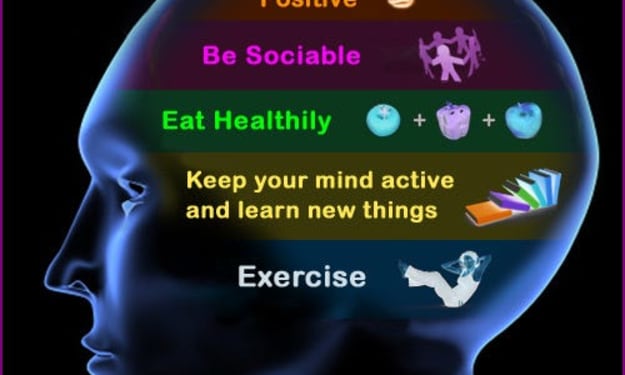
In a world where the pursuit of longevity and overall well-being is increasingly common, developing healthy habits is essential to living a long and fulfilling life. While genetics certainly play a role in determining how long we live, our lifestyle choices have a profound impact on our health and longevity. The good news is that it is never too late to make changes that can lead to a longer, healthier life. By incorporating simple but powerful habits into our daily routine, we can significantly improve our chances of living a longer and more vibrant life.
By Nora Ariana2 years ago in Education
City of Bern Begins Construction of Weissenbühl School Complex
The city of Bern has embarked on an ambitious educational infrastructure project with the commencement of construction on the Weissenbühl school complex. This development marks a significant milestone in Bern’s commitment to enhancing its educational facilities, ensuring that students have access to modern and sustainable learning environments.
By Delta Roblox Executor Download APK 2026 latest New Update2 years ago in Education
The Tale of Mother Teresa: A Daily existence Devoted to the Most unfortunate of Poor people
The Tale of Mother Teresa: A Daily existence Devoted to the Most unfortunate of Poor people Agnes Gonxha Bojaxhiu, the lady we know as Mother Teresa, was brought into the world on August 26, 1910, in Skopje, Macedonia. Since early on, she felt a profound calling to serve God and help other people. At 18 years old, she joined the Sisters of Loreto, an Irish people group of nuns with missions in India. It was in India that she tracked down her actual work, committing her life to the least fortunate of poor people.
By Suresh Patil2 years ago in Education
Be Kind to Animals: Why Kindness Towards Animals Matters
**Be Kind to Animals: Why Kindness Towards Animals Matters** Animals are an integral part of our world, contributing to its balance and biodiversity. They provide companionship, aid in agriculture, offer emotional support, and even contribute to scientific advancements. Despite these invaluable contributions, many animals suffer from neglect, abuse, and exploitation at the hands of humans. Being kind to animals is not only an ethical responsibility but also essential for preserving the balance of nature and fostering compassion within our society. This article delves into the reasons why we should be kind to animals and how such kindness benefits both humans and the planet. ### **Ethical Responsibility** Animals, like humans, are sentient beings capable of feeling pain, fear, joy, and love. Just because they do not communicate in human language does not mean they are devoid of emotions. Recognizing their capacity to experience life should compel us to treat them with respect and kindness. Mahatma Gandhi once said, *“The greatness of a nation and its moral progress can be judged by the way its animals are treated.”* This statement underscores the importance of ethical treatment towards animals as a reflection of a society's compassion and humanity. ### **Environmental Balance** Animals play a crucial role in maintaining the ecological balance of the planet. Predators control prey populations, pollinators help in the reproduction of plants, and decomposers break down organic matter to replenish the soil. When animals are harmed or driven to extinction, ecosystems are thrown off balance, leading to environmental issues that can negatively affect humans. By being kind to animals and protecting their habitats, we contribute to the preservation of biodiversity and ensure the health of our ecosystems. ### **Companionship and Emotional Support** For centuries, animals have been companions to humans, offering loyalty, affection, and emotional support. Pets, such as dogs and cats, have been shown to reduce stress, anxiety, and depression. They provide a sense of purpose and unconditional love, which can be therapeutic for people facing emotional challenges. When we treat animals with kindness, we nurture this mutually beneficial relationship, creating bonds that can enrich our lives. ### **Health and Agricultural Benefits** Domesticated animals play a significant role in agriculture by providing milk, meat, and other products. They also help in tasks such as plowing fields and managing pests. Treating these animals kindly ensures their health and productivity, which ultimately benefits humans. Moreover, kind treatment of animals in agricultural settings leads to better-quality products. Stress and cruelty can negatively impact the health of livestock, affecting the quality of the meat, dairy, and other animal-based products. ### **Cultural and Spiritual Importance** In many cultures and religious traditions, animals are considered sacred or symbolic. They often feature in rituals, folklore, and mythology as representations of strength, wisdom, or purity. By being kind to animals, we honor these cultural and spiritual values and demonstrate respect for the beliefs that hold animals in high regard. ### **Scientific Advancements and Humane Treatment** Animals have been used in scientific research to develop life-saving medications and treatments. However, this has raised ethical concerns about animal testing and experimentation. Advocating for humane treatment and the development of alternative methods can ensure that scientific advancements are achieved without unnecessary cruelty to animals. ### **How to Be Kind to Animals** 1. **Adopt, Don’t Shop:** Instead of buying pets from breeders, consider adopting from shelters. This helps reduce the number of homeless animals and gives them a chance at a better life. 2. **Report Animal Cruelty:** If you witness animal abuse or neglect, report it to local authorities or animal welfare organizations. 3. **Support Animal Welfare Organizations:** Donate to or volunteer with organizations that rescue and care for animals. 4. **Educate Others:** Spread awareness about the importance of treating animals with kindness and respect. 5. **Provide Proper Care:** Ensure that your pets have access to food, water, shelter, and veterinary care. 6. **Avoid Products Tested on Animals:** Opt for cruelty-free products to support companies that do not test on animals. 7. **Respect Wildlife:** Observe wild animals from a distance and avoid disturbing their natural habitats. 8. **Choose Ethical Food Sources:** Support farms and producers that prioritize the humane treatment of animals. ### **The Ripple Effect of Kindness** Kindness towards animals often extends to other areas of life. People who show compassion towards animals are more likely to exhibit empathy and kindness towards fellow humans. This ripple effect can foster a more compassionate and humane society. Moreover, children who are taught to be kind to animals grow up understanding the value of empathy and responsibility. These values shape them into compassionate adults who care for the world around them. ### **Conclusion** Being kind to animals is a fundamental aspect of living ethically and responsibly. It benefits not only the animals themselves but also humans and the environment. By fostering compassion towards animals, we create a more harmonious and balanced world. Let us all take a step towards kindness by treating animals with the respect and care they deserve. In doing so, we contribute to a world that values empathy, compassion, and coexistence.
By Nora Ariana2 years ago in Education
Secrets insights of a better mind brain and blissful life
Privileged insights of a better brain and blissful life In our quick-moving world, accomplishing a better brain and a blissful life could appear to be a tricky dream. Nonetheless, with a couple of careful practices and a way of life transformation, developing mental prosperity and happiness is conceivable. Here are a few insider facts to help you on your excursion to a better psyche and a more cheerful life.
By EMMANUEL S JOHN2 years ago in Education
Ending the quite: raising emotional wellness and mindfulness
Ending the Quiet: Raising Emotional wellness Mindfulness https://shrinkme.ink/mindawareness As of late, the subject of emotional wellness has acquired critical consideration, revealing insight into a frequently neglected part of generally prosperity. Psychological wellness mindfulness is essential for cultivating figuring out, decreasing disgrace, and empowering individuals to look for help. By ending the quiet, we can make a more steady and sympathetic culture.
By EMMANUEL S JOHN2 years ago in Education
Mental Health in the Workplace: What Can Be Done
In today’s fast-paced and ever-changing work environment, mental health in the workplace has become a critical topic. As employees juggle personal and professional responsibilities, the pressure to meet deadlines, maintain productivity, and navigate workplace dynamics can take a toll on their mental well-being. Yet, despite the growing awareness of mental health issues, many workplaces still lack sufficient strategies to address these challenges effectively. Mental health problems such as anxiety, depression, and burnout can significantly affect an individual’s performance, relationships with colleagues, and overall job satisfaction. Fortunately, there are numerous ways employers and employees can work together to promote mental well-being in the workplace. In this article, we will explore the importance of mental health in the workplace and discuss practical steps that can be taken to support employees and foster a healthier work environment. ### The Importance of Mental Health in the Workplace Mental health is an integral aspect of overall well-being, influencing how we think, feel, and behave in our daily lives. When mental health issues arise, they can have far-reaching consequences, both for the individual experiencing the difficulties and the workplace as a whole. - **Impact on Employee Productivity**: Mental health problems can cause employees to struggle with focus, decision-making, and completing tasks, ultimately affecting productivity. According to the World Health Organization (WHO), depression and anxiety cost the global economy approximately $1 trillion per year in lost productivity. - **Impact on Employee Engagement**: When mental health is neglected, employees may feel disengaged, less motivated, and disconnected from their work. This lack of engagement can lead to increased absenteeism, lower job satisfaction, and higher turnover rates, which can ultimately affect the company’s bottom line. - **Impact on Work Relationships**: Mental health issues can also strain relationships with colleagues and managers. Employees struggling with mental health may withdraw from social interactions, exhibit irritability, or find it challenging to communicate effectively, which can contribute to workplace tension and reduce team collaboration. - **Impact on Long-Term Health**: Chronic stress and untreated mental health problems can lead to serious physical health issues, such as high blood pressure, cardiovascular diseases, and weakened immune systems. These long-term effects further increase the costs of healthcare and absenteeism for employers. Given these potential consequences, it’s essential to take proactive steps to support mental health in the workplace, not just for the benefit of individual employees but for the overall success of the organization. ### What Can Be Done to Improve Mental Health in the Workplace? #### 1. **Foster a Supportive Workplace Culture**
By Nora Ariana2 years ago in Education
Caroline Kennedy: A Legacy of Triumph, Tragedy, and Speaking Out Against RFK Jr.. AI-Generated.
Caroline Kennedy, the only surviving child of former US President John F. Kennedy and Jacqueline Kennedy Onassis, has lived a life full of both privilege and heartbreak. At 67, she continues to captivate the world with her remarkable career and unwavering commitment to public service. But who is the woman behind the headlines? Let's dive into her extraordinary life, her family's legacy, and the controversy that surrounds her.
By Sithy work2 years ago in Education