trade school
Trade school tips to keep you a step ahead; make the most out of your trade school experience as a soon-to-be electrician, dental hygienist, paralegal, nurse, graphic designer, and others.
How to Let Go of Perfectionism
Perfectionism can be both a blessing and a burden. While the desire to achieve excellence can drive success and high standards, an unhealthy obsession with perfection can lead to stress, procrastination, and a persistent sense of inadequacy. Learning to let go of perfectionism is essential for living a balanced, fulfilling, and mentally healthy life. By embracing imperfection, you can unlock your true potential and find joy in the journey rather than focusing solely on flawless outcomes. One of the first steps to letting go of perfectionism is recognizing the negative impact it has on your life. Perfectionists often set unrealistically high standards for themselves and become overly critical when they fall short. This constant pursuit of perfection can lead to anxiety, low self-esteem, and even burnout. Acknowledging these consequences is crucial for understanding why change is necessary. Understanding the root causes of perfectionism can also help you address it effectively. Perfectionism often stems from a fear of failure, a desire for approval, or a belief that your worth is tied to your achievements. Reflecting on your upbringing, experiences, and internal beliefs can provide valuable insights into why you may be holding onto perfectionist tendencies. Once you identify the underlying factors, you can work on reshaping your mindset. Reframing your thoughts is a powerful tool for overcoming perfectionism. Instead of viewing mistakes as failures, see them as opportunities for growth and learning. Embrace the idea that imperfection is a natural and valuable part of life. Practice self-compassion by reminding yourself that everyone makes mistakes and that those mistakes do not define your worth. By shifting your perspective, you can develop a healthier relationship with yourself and your goals. Setting realistic and achievable goals is another essential strategy. Perfectionists often set unattainable expectations, which only leads to frustration and disappointment. Break down your goals into smaller, manageable steps and celebrate your progress along the way. Focus on effort and improvement rather than demanding flawless results. This approach will help you maintain motivation and build confidence without the pressure of perfection. Learning to prioritize is also crucial. Perfectionists tend to spread themselves too thin by trying to excel in every area of life. Identify the tasks and goals that truly matter to you and invest your energy in those areas. Let go of less important pursuits or delegate tasks when possible. By focusing on what is most meaningful, you can achieve a sense of accomplishment without feeling overwhelmed. Another effective technique for overcoming perfectionism is to practice vulnerability. Perfectionists often fear judgment or criticism, which can lead to hiding their true selves. Open up to trusted friends, family members, or colleagues about your struggles with perfectionism. Sharing your experiences can help you realize that you're not alone and that others accept you even when you're not perfect. Vulnerability fosters deeper connections and reduces the need to present a flawless facade. Mindfulness and meditation are valuable tools for managing perfectionist tendencies. These practices encourage you to stay present in the moment and cultivate awareness of your thoughts and feelings without judgment. By regularly engaging in mindfulness exercises, you can become more attuned to perfectionist patterns and respond to them with compassion and understanding. Mindfulness also helps reduce anxiety and promotes a sense of calm and balance. Creating a perfection-free zone can be a fun and liberating exercise. Dedicate a specific area of your life where you intentionally allow imperfection. This could be a creative hobby, such as painting or writing, where the goal is to enjoy the process rather than produce a perfect result. By embracing imperfection in a safe and low-pressure environment, you can gradually extend this mindset to other areas of your life. It's also essential to manage your inner critic. Perfectionists often have a harsh internal voice that magnifies mistakes and diminishes accomplishments. Practice identifying and challenging negative self-talk. Replace critical thoughts with positive and affirming statements. For example, instead of thinking,
By Nora Ariana2 years ago in Education
The Benefits of Living with Intentionality
Living with intentionality means making deliberate choices that align with your values, goals, and priorities. It's about being mindful of how you spend your time, energy, and resources, rather than simply going through the motions of daily life. In a fast-paced world filled with distractions and obligations, living with intention can bring clarity, purpose, and fulfillment. When you choose to live intentionally, you take control of your life and create a path that reflects what truly matters to you. One of the most significant benefits of living with intentionality is increased clarity and focus. When you are clear about your values and goals, it becomes easier to prioritize your activities and decisions. You no longer waste time on things that don't contribute to your overall happiness or success. Instead, you direct your energy toward pursuits that are meaningful and aligned with your vision for life. This clarity helps reduce feelings of overwhelm and allows you to approach each day with a sense of purpose. Intentional living also enhances personal fulfillment. When your actions are guided by your core values, you experience a deeper sense of satisfaction and contentment. Achieving goals that are meaningful to you brings a unique sense of accomplishment, as opposed to chasing external validation or societal expectations. Living intentionally empowers you to create a life that resonates with your authentic self, leading to greater happiness and peace of mind. Another powerful benefit of intentional living is improved decision-making. When you are clear about what matters most, making choices becomes easier. You can quickly assess whether an opportunity, task, or commitment aligns with your priorities. This helps reduce decision fatigue and ensures that you are investing your time and energy wisely. Intentional decision-making leads to better outcomes and minimizes the chances of regret. Living with intentionality also strengthens relationships. When you are mindful and present in your interactions with others, you build deeper connections and foster meaningful bonds. Intentional living encourages you to prioritize quality time with loved ones, communicate openly, and show appreciation for the people who matter most. By being fully present in your relationships, you create an environment of trust, understanding, and mutual support. Furthermore, living intentionally promotes better physical and mental health. When you are intentional about your well-being, you make conscious choices to adopt healthy habits, such as regular exercise, balanced nutrition, and adequate rest. You also become more mindful of your mental and emotional state, practicing stress management techniques and seeking support when needed. This proactive approach to health leads to a more balanced and fulfilling life. Another key aspect of intentional living is financial mindfulness. By being deliberate with your spending and saving habits, you can achieve greater financial stability and freedom. Intentional living encourages you to assess your financial goals and make conscious decisions about where to allocate your money. Instead of impulsive spending, you focus on investments that align with your values and contribute to your long-term goals. This financial awareness can reduce stress and help you achieve a sense of security. Living with intentionality also fosters personal growth and development. When you are intentional about your learning and self-improvement, you seek opportunities to grow and expand your horizons. This may involve reading books, taking courses, or engaging in activities that challenge you intellectually and creatively. By actively pursuing growth, you build confidence, resilience, and a greater sense of self-awareness. Additionally, intentional living encourages a deeper connection with your passions and interests. When you are mindful of what brings you joy and fulfillment, you are more likely to make time for those activities. Whether it's pursuing a hobby, volunteering, or engaging in creative projects, living intentionally allows you to nurture your passions and find joy in the present moment. This connection to your passions enhances your overall sense of well-being. One of the most transformative aspects of living intentionally is the ability to let go of what no longer serves you. This could be toxic relationships, unfulfilling commitments, or negative thought patterns. By identifying and releasing these elements, you create space for positive experiences and relationships to flourish. Letting go also helps you cultivate a mindset of gratitude and appreciation for the present moment. To begin living with intentionality, start by reflecting on your values and goals. What matters most to you? What kind of life do you want to create? Write down your answers and use them as a guide to make conscious decisions about your time, energy, and resources. Set clear and meaningful goals that align with your values, and break them down into actionable steps. Mindfulness is also a crucial component of intentional living. Practice being present in the moment and fully engaged in whatever you are doing. This can be as simple as focusing on your breath during a walk, savoring a meal without distractions, or listening attentively during conversations. Mindfulness helps you become more aware of your thoughts, emotions, and actions, allowing you to make deliberate choices. Creating daily rituals can also support intentional living. These rituals serve as reminders to stay aligned with your values and goals. They could include morning affirmations, journaling, meditation, or setting daily intentions. These practices help you start your day with clarity and purpose, setting a positive tone for the hours ahead. Consistency is key to living with intentionality. It's not a one-time decision but an ongoing practice. There will be days when distractions and challenges arise, but by staying committed to your intentions, you can navigate those moments with grace and resilience. Celebrate your progress and learn from setbacks, knowing that each step brings you closer to the life you want to create. In conclusion, living with intentionality offers numerous benefits, including increased clarity, fulfillment, better decision-making, stronger relationships, improved health, financial mindfulness, personal growth, and a deeper connection to your passions. By making deliberate choices that align with your values and goals, you can create a life that is meaningful, authentic, and fulfilling. Start small, stay mindful, and watch as intentional living transforms your everyday experiences into moments of purpose and joy.
By Nora Ariana2 years ago in Education
How to Create a Vision Board That Works
A vision board is a powerful tool that helps you visualize your goals and manifest your dreams. By creating a visual representation of what you want to achieve, you reinforce your intentions and focus on what truly matters to you. Whether you're striving for career success, better health, financial freedom, or personal growth, a vision board can serve as a daily reminder of your aspirations and motivate you to take action. However, simply assembling random images and quotes on a board isn't enough. To create a vision board that truly works, it requires intention, creativity, and consistency. The first step in creating a vision board is to clarify your goals. Take time to reflect on the various aspects of your life career, relationships, health, finances, personal development, and recreation. What do you want to achieve in each area? Be specific and think long-term as well as short-term. Write down your goals and prioritize them based on their importance to you. By having a clear understanding of your desires, you'll know exactly what to include on your vision board. Once you have your goals in mind, gather materials for your vision board. You'll need a sturdy board, such as a corkboard or poster board, scissors, glue, markers, and magazines or printed images. The key is to have a variety of visual elements that resonate with your goals. Look for images that evoke strong emotions and represent your dreams vividly. If you can't find the perfect image in a magazine, you can always search online and print out what you need. Next, organize your materials and start planning the layout of your vision board. Some people prefer to divide their board into sections for different categories, such as health, career, and relationships. Others like a more organic and free-flowing arrangement. There's no right or wrong way to do this—choose a layout that feels intuitive and inspiring to you. Remember that the purpose of your vision board is to spark motivation and excitement every time you see it. When placing images on your board, be intentional about their arrangement. Put the most important goals in prominent positions where your eyes are naturally drawn. Include words and affirmations that reinforce your intentions, such as "Success," "Abundance," "Joy," or "I am strong and capable." Use bright colors and bold fonts to make these affirmations stand out. The combination of images and words should create a visually appealing and emotionally powerful collage. As you work on your vision board, focus on the emotions associated with achieving your goals. Visualization is most effective when you can feel the joy, pride, or excitement that comes with success. Picture yourself living the life you desire and let those emotions guide your choices for images and affirmations. This emotional connection will strengthen your commitment to your goals and make your vision board more impactful. Once your vision board is complete, place it somewhere you can see it every day. Whether it's in your bedroom, office, or workspace, the key is to have it in a location where you'll regularly be reminded of your goals. Some people even take a photo of their vision board and set it as their phone or computer wallpaper for constant exposure. The more you see it, the more it will reinforce your intentions and keep you focused. Consistency is crucial for making a vision board work. Set aside time each day to look at your board and visualize yourself achieving your goals. As you do this, immerse yourself in the positive emotions associated with those achievements. You can also say affirmations out loud to reinforce your belief in your ability to succeed. This daily practice will keep your mind aligned with your aspirations and increase your motivation to take action. In addition to daily visualization, take tangible steps toward your goals. A vision board is not a magical solution—it requires action to bring your dreams to life. Break down your goals into smaller, manageable tasks and create a plan to achieve them. Keep track of your progress and celebrate your successes along the way. The combination of visualization and consistent effort will significantly increase your chances of success. Over time, your goals may evolve, and your vision board should evolve with them. Periodically review and update your board to reflect your current aspirations and achievements. Remove images that no longer resonate with you and add new ones that represent your latest goals. This practice ensures that your vision board remains a relevant and powerful tool for personal growth.
By Nora Ariana2 years ago in Education
Uncommon Travel Experiences
Travel is a journey that opens up a world of new encounters, perspectives, and self-awareness. While many adventurers seek out well-known destinations, some seek out less common destinations—encounters beyond the average vacation spot. These extraordinary travel experiences not only offer a deeper connection to their local community but also provide extraordinary experiences. If you’re looking for something off the beaten path, here are a few ideas to pique your interest and change up your next trip.
By Write Bold2 years ago in Education
How to Cultivate Gratitude Every Day
Gratitude is a powerful emotion that can transform our lives in numerous ways. It fosters a positive outlook, enhances mental health, and strengthens relationships. Yet, cultivating gratitude is not always easy, especially in a world that often encourages us to focus on what we lack rather than appreciating what we already have. However, by consciously incorporating small practices of gratitude into our daily routines, we can develop a mindset that attracts more positivity, fulfillment, and contentment. The first step in cultivating gratitude every day is recognizing the importance of this emotion. Gratitude is not just about feeling thankful when something great happens or when someone does something kind for us. It’s about appreciating the little things—the everyday moments that we often overlook. Whether it’s the warmth of the sun, the aroma of your morning coffee, or the smile of a friend, learning to acknowledge these seemingly small gifts is essential in developing a gratitude practice. One of the most effective ways to cultivate gratitude is through a daily gratitude journal. This practice involves setting aside a few minutes each day to reflect on what you are thankful for. It doesn’t have to be long or complicated; a few lines each day are enough. The key is consistency. Over time, you’ll start to notice a shift in your perspective as you begin to focus on the positive aspects of your life. When keeping a gratitude journal, it’s important to be specific about what you’re thankful for. Instead of simply writing “I’m grateful for my family,” take a moment to reflect on what exactly about your family brings you gratitude. Maybe it’s the support they provide, the moments of laughter you share, or the lessons they’ve taught you. The more detailed you are, the more you’ll begin to appreciate the depth of what you have. Another helpful practice is to make gratitude a part of your morning routine. The way you start your day can set the tone for the rest of it, so why not begin with gratitude? As soon as you wake up, take a few moments to mentally acknowledge what you are thankful for. This could be as simple as appreciating the fact that you have a new day ahead of you or feeling thankful for the comfort of your bed. Starting the day with gratitude helps shift your mindset to one of abundance, rather than scarcity. If you struggle with maintaining a consistent gratitude practice, you can try setting reminders throughout the day. These reminders could be as simple as a sticky note on your desk or an alarm on your phone that prompts you to take a moment to express gratitude. These small nudges can serve as gentle reminders to pause and appreciate the present moment, no matter how busy or stressful your day may be. Practicing gratitude doesn’t just have to be a solitary activity. One of the most effective ways to cultivate gratitude is by sharing it with others. Take time each day to express your appreciation to those around you. This could be a simple “thank you” to a colleague for their help, a compliment to a friend for their kindness, or a heartfelt note to a family member for their support. Expressing gratitude strengthens relationships and helps reinforce a positive cycle of appreciation in your life. When expressing gratitude to others, it’s important to be sincere. A genuine thank-you is much more impactful than a generic one. If someone has done something that made a positive impact on your day, take a moment to let them know. This could be a verbal acknowledgment or a written note. Gratitude, when expressed authentically, can help foster deeper connections and create a ripple effect of positivity. Another powerful way to cultivate gratitude is through mindfulness and meditation. Mindfulness practices help you stay present in the moment and acknowledge the good things in your life without judgment. By focusing on the here and now, you become more aware of the small blessings that often go unnoticed. Meditation, in particular, can help you train your mind to focus on positive thoughts and cultivate a deep sense of appreciation for life itself. Incorporating mindfulness into your daily routine doesn’t have to be time-consuming or complicated. Even just a few minutes of deep breathing or a quick meditation session can help center your thoughts and promote feelings of gratitude. The key is to make it a habit, so it becomes an automatic response to stress or negative emotions. Over time, you’ll find it easier to redirect your thoughts to feelings of thankfulness, even in challenging situations. While it’s easy to be grateful for the obvious blessings in our lives, it’s important to also practice gratitude during difficult times. Challenges and setbacks are inevitable, but they can serve as opportunities for growth if we approach them with the right mindset. Instead of focusing solely on the negative aspects of a difficult situation, try to find the silver lining. Perhaps a challenging project at work has taught you new skills, or a difficult conversation with a friend has deepened your relationship. By reframing challenges as learning experiences, you can find gratitude even in the most trying circumstances. One way to shift your perspective is through the practice of gratitude reframing. This involves looking at a situation from a different angle and finding something to be grateful for, even if it seems hard to do so at first. For example, if you’re dealing with a stressful situation at work, you might feel frustrated and overwhelmed. However, by reframing your thoughts, you can shift your focus to what you’ve learned from the experience, the resilience you’ve developed, or the opportunity for growth that lies within the challenge. Another method for cultivating gratitude is through acts of kindness. Doing something kind for others not only benefits them but also fosters a sense of gratitude within yourself. When you help others, whether through volunteering, offering support, or simply being kind, you begin to recognize the abundance of good things in your life. Acts of kindness help remind you of the interconnectedness of human beings and the positive impact that we can have on one another. Finally, practicing self-compassion is an important part of cultivating gratitude. Many of us are often our harshest critics, focusing on our perceived flaws and shortcomings. But in order to fully embrace gratitude, we must also be kind and understanding toward ourselves. Treat yourself with the same care and appreciation that you would show a friend. When you practice self-compassion, you open the door to greater feelings of gratitude for who you are and what you’ve accomplished.
By Nora Ariana2 years ago in Education
Self-improvement and Attitude Movements: Opening Your Actual Potential
In a world that continually develops, self-awareness is at this point not an extravagance but a need. Whether in profession, connections, or personal development, a singular's capacity to adjust and develop decides their prosperity and satisfaction. At the center of this excursion lies a basic variable: outlook shifts. How we see difficulties, disappointments, and potential open doors altogether impacts our advancement. By embracing change, developing flexibility, and taking on a development outlook, we can open our actual potential.
By Write Bold2 years ago in Education
5-Minute Habits That Will Change Your Life
In today’s fast-paced world, finding ways to improve our lives without overhauling everything can feel impossible. However, small changes can make a huge impact when practiced consistently. Sometimes, the key to transforming your life lies in simple habits that only take a few minutes but can lead to long-term benefits. Whether you want to boost productivity, improve your mental well-being, or foster better relationships, these five-minute habits are a great place to start. One of the most effective habits you can incorporate into your routine is the practice of gratitude. Taking just a few minutes each day to reflect on what you’re thankful for can significantly improve your outlook on life. Studies have shown that gratitude can increase happiness, reduce stress, and even improve physical health. The habit is simple—each morning or evening, take five minutes to jot down three things you’re grateful for. They don’t have to be big things; even small, everyday occurrences can have a profound impact on your mental state. Over time, this habit helps you focus on the positive aspects of your life, shifting your mindset from one of scarcity to abundance. Another powerful habit is mindful breathing. Mindfulness is the practice of being fully present in the moment, and one of the simplest ways to practice mindfulness is through controlled breathing. In just five minutes, you can calm your mind, reduce anxiety, and center yourself for the day ahead. Find a quiet spot, sit comfortably, and focus on your breath. Take deep, slow inhales through your nose, hold for a few seconds, and then exhale slowly through your mouth. This technique can help lower your heart rate and reduce the production of stress hormones, making it an ideal way to reset when you feel overwhelmed. The more you practice mindful breathing, the better you'll become at managing stress in your daily life. Physical activity doesn’t always require an hour at the gym to make a difference. A quick five-minute workout can also have a significant impact on your energy levels, mood, and overall health. Whether it's a set of bodyweight exercises, a short walk, or a quick yoga session, taking just five minutes to move your body will help improve circulation, boost endorphins, and increase mental clarity. Start with simple exercises like jumping jacks, push-ups, or squats. If you prefer a more mindful approach, try a few minutes of stretching or deep yoga poses. A short burst of exercise can help you feel more energized and focused, making it easier to tackle the challenges ahead. An excellent habit for both mental and physical well-being is staying hydrated. Dehydration can lead to fatigue, headaches, and difficulty concentrating. In the hustle and bustle of daily life, it’s easy to forget to drink enough water, but taking just five minutes to hydrate can work wonders for your body and mind. Keep a water bottle at your desk or in your bag, and make it a habit to drink water regularly throughout the day. Not only does proper hydration improve your physical health, but it also supports cognitive function and mood regulation. In just five minutes, you can hydrate yourself and set yourself up for a more productive and focused day. Another life-changing habit is reading. While finding time to read a full book may seem challenging, carving out just five minutes to read each day can make a difference in your life. Reading for even a short amount of time can expand your knowledge, improve focus, and reduce stress. Whether you prefer fiction, non-fiction, or self-help books, the habit of reading fosters personal growth and broadens your perspective. You don’t need to dedicate hours to reading; simply commit to reading a few pages or chapters a day. Over time, this small habit will compound, enriching your mind and contributing to your personal development. Taking a few minutes each day to prioritize self-care is another habit that can drastically improve your life. Self-care is often misunderstood as something indulgent, but it’s essential for mental and emotional health. Self-care can take many forms, from taking a hot bath to engaging in a hobby or practicing a quick meditation. The key is to take time for yourself, away from the demands of work, family, and other responsibilities. These five-minute moments of self-care help recharge your emotional battery, reduce stress, and increase your sense of well-being. It’s important to recognize that self-care isn’t selfish—it’s necessary for maintaining balance in your life. To complement these habits, setting small daily goals can also be transformative. In just five minutes, take a moment to set three achievable goals for the day. These goals should be specific, measurable, and realistic. By focusing on a few small tasks, you’re more likely to complete them, which can boost your confidence and motivation. Instead of feeling overwhelmed by a long to-do list, breaking tasks into manageable steps can help you stay on track and feel more in control. The act of setting goals gives your day structure, allowing you to accomplish more in less time. Additionally, the power of positive affirmations can help reframe your mindset and improve your self-esteem. Taking five minutes each day to recite affirmations can shift your thinking from negative to positive. Affirmations are statements of self-empowerment that encourage you to believe in your abilities. For example, saying, "I am capable of overcoming challenges," or, "I am worthy of success," can help you combat self-doubt and build confidence. Over time, these positive statements begin to influence your subconscious mind, creating a foundation of resilience and self-belief. Another small habit that can yield long-term results is practicing kindness. Taking five minutes to perform a random act of kindness, whether it’s sending a thoughtful message to a friend, holding the door for someone, or offering a compliment, can enhance both your mood and the mood of others. Acts of kindness have been linked to increased happiness, reduced stress, and improved relationships. The best part is that it doesn’t take much time or effort to make a positive impact. By making kindness a regular habit, you create a ripple effect that improves your life and the lives of those around you. Lastly, decluttering your space for just five minutes a day can have a profound impact on your productivity and mental clarity. A cluttered environment can lead to a cluttered mind, making it difficult to focus and feel at ease. Spend five minutes each day tidying up your desk, organizing your kitchen, or putting away clothes. This simple habit can create a sense of order, reduce stress, and help you feel more in control of your surroundings. Over time, small daily efforts will accumulate into a more organized and peaceful living space. Incorporating these five-minute habits into your routine may seem like a small effort, but the benefits they provide can be life-changing. These habits don’t require significant time or energy, yet they hold the power to improve your mental, emotional, and physical well-being. By committing to just a few minutes each day, you’re taking proactive steps to build a better, more balanced life. Start small, and remember that consistency is key. Over time, these habits will become ingrained in your daily routine, leading to lasting positive change.
By Nora Ariana2 years ago in Education
The Benefits of Meditation and How to Get Started
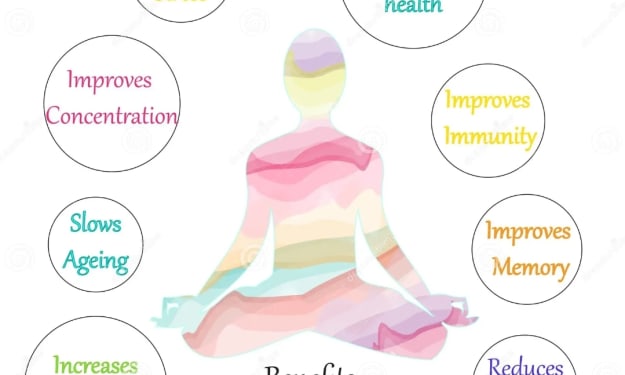
Meditation has been practiced for thousands of years, originating in ancient traditions as a way to promote mental clarity, self-awareness, and emotional balance. Today, it has become a widely popular practice, embraced by people from all walks of life, from busy professionals to athletes to spiritual seekers. The benefits of meditation extend far beyond the realm of relaxation; it can have profound effects on mental, emotional, and even physical health. If you're new to meditation or looking to deepen your practice, this article will explore the numerous benefits of meditation and provide practical guidance on how to get started. One of the most well-known benefits of meditation is its ability to reduce stress. In today's fast-paced world, stress is a common challenge that many people face. Chronic stress can contribute to a variety of physical and mental health issues, including anxiety, depression, and even heart disease. Meditation helps activate the body’s relaxation response, reducing the levels of stress hormones like cortisol. When practiced regularly, meditation can train the mind to respond to stressful situations with greater calmness and clarity, helping you navigate challenges with a sense of inner peace. Another key benefit of meditation is its ability to improve focus and concentration. In a world full of distractions, it can be difficult to stay present and focused on the task at hand. Meditation helps train the mind to be more attentive and aware, enhancing cognitive function and boosting productivity. Mindfulness meditation, in particular, encourages you to focus on the present moment, which helps reduce mental clutter and sharpen your attention. Over time, regular meditation practice can improve your ability to concentrate, making it easier to stay focused on work, studies, or personal projects. Meditation also has a powerful impact on emotional well-being. By cultivating mindfulness and self-awareness, meditation allows you to become more in tune with your emotions. Rather than reacting impulsively to difficult emotions like anger, fear, or sadness, meditation helps you observe them without judgment and respond more thoughtfully. This heightened emotional awareness leads to greater emotional regulation, making it easier to handle negative emotions in a healthy way. Studies have shown that meditation can reduce symptoms of anxiety and depression, providing a natural and effective way to improve mental health. In addition to emotional benefits, meditation can enhance physical health. Research has shown that regular meditation can lower blood pressure, improve heart health, and strengthen the immune system. The relaxation response triggered by meditation helps reduce tension in the body, which can alleviate physical symptoms associated with stress, such as headaches, muscle pain, and digestive issues. Meditation has also been linked to improved sleep, as it promotes relaxation and helps quiet the mind before bedtime. For those who suffer from insomnia or other sleep disorders, meditation can be a valuable tool for achieving more restful and rejuvenating sleep. Furthermore, meditation can foster a greater sense of self-compassion and mindfulness. When we are caught up in the busyness of life, it’s easy to become disconnected from ourselves and our needs. Meditation provides a space to slow down, reflect, and cultivate self-awareness. By practicing meditation, you can develop a greater sense of compassion for yourself, accepting your flaws and imperfections without judgment. This sense of self-compassion extends to how you relate to others, fostering greater empathy and kindness in your interactions. Now that we've explored the many benefits of meditation, let's discuss how to get started. Meditation may seem intimidating at first, especially if you're new to the practice, but it doesn't require any special skills or equipment. All you need is a quiet space, a comfortable position, and a willingness to be present. One of the simplest ways to begin is with mindfulness meditation. Start by finding a quiet place where you won't be disturbed. Sit in a comfortable position, either on a chair, cushion, or floor, with your back straight and your hands resting on your knees or in your lap. Close your eyes or keep them gently focused on a point in front of you. Take a few deep breaths to relax and settle into the present moment. The key to mindfulness meditation is focusing on your breath. As you inhale and exhale, bring your full attention to the sensation of the breath entering and leaving your body. If your mind starts to wander, gently bring your focus back to your breath without judgment. It’s natural for the mind to wander, so don’t worry if this happens. The goal is to observe your thoughts without getting caught up in them, simply noticing them and letting them pass. Start with just a few minutes of meditation each day, gradually increasing the time as you feel comfortable. Even five to ten minutes of meditation can provide noticeable benefits, so don’t feel pressured to meditate for long periods of time. Consistency is more important than duration, so try to make meditation a regular part of your daily routine. Another popular meditation practice is guided meditation. This involves following along with an audio or video recording where a teacher or guide leads you through a series of relaxation techniques, visualizations, or mindfulness exercises. Guided meditation can be a helpful way to get started, as it provides structure and direction. There are many apps and online resources available that offer free guided meditations, so you can explore different styles and find one that resonates with you. If you’re looking to deepen your practice, you may also want to explore other forms of meditation, such as loving-kindness meditation (also known as "metta"), which focuses on cultivating compassion and kindness toward yourself and others. There’s also transcendental meditation, which involves repeating a mantra to quiet the mind, and body scan meditation, which involves progressively relaxing each part of the body. The beauty of meditation is that there are many different techniques to explore, so you can find one that works best for you. In addition to formal meditation, you can also incorporate mindfulness into your daily life. Mindfulness is the practice of being fully present and engaged in whatever you’re doing, whether it’s eating, walking, or having a conversation. By bringing mindfulness into your daily activities, you can carry the benefits of meditation with you throughout the day, helping you stay calm, focused, and centered in the midst of everyday stress. In conclusion, meditation offers a wide range of benefits for both the mind and body. By reducing stress, improving focus, enhancing emotional well-being, and fostering greater self-compassion, meditation can lead to a healthier, more balanced life. Whether you're new to meditation or looking to deepen your practice, the key is to start small, be patient with yourself, and enjoy the process. With regular practice, meditation can become a powerful tool for cultivating inner peace, clarity, and resilience in your life.
By Nora Ariana2 years ago in Education
Why You Should Embrace Vulnerability
In a world that often values strength, independence, and resilience, vulnerability can seem like a weakness. We are taught from an early age to hide our flaws, suppress our emotions, and put on a brave face in the face of adversity. However, the idea that vulnerability is something to be avoided is a misconception. In fact, embracing vulnerability can be one of the most powerful ways to foster growth, connection, and authenticity in our lives. Vulnerability is the willingness to be open, exposed, and honest about our emotions, experiences, and fears. It means allowing ourselves to be seen for who we truly are, without pretending to be someone we're not or masking our insecurities. This may involve sharing our struggles, expressing our feelings, or admitting when we need help. While it can be uncomfortable and intimidating, vulnerability has the potential to bring about profound positive changes in our lives. One of the most important reasons to embrace vulnerability is that it fosters deeper, more authentic connections with others. When we open up about our struggles, our fears, and our true selves, we invite others to do the same. Vulnerability creates a sense of shared humanity, reminding us that we are not alone in our challenges. This openness cultivates empathy and trust, forming the foundation for meaningful relationships, whether with friends, family, or romantic partners. In addition to strengthening our relationships, embracing vulnerability can also lead to personal growth and self-discovery. When we allow ourselves to be vulnerable, we are often forced to confront our deepest fears, insecurities, and limiting beliefs. This process of self-exploration can be uncomfortable, but it is also transformative. By acknowledging our vulnerabilities, we create space for healing and growth. It is through vulnerability that we learn to accept ourselves fully, imperfections and all. Vulnerability is also a key component of creativity and innovation. When we allow ourselves to be open to new ideas, experiences, and challenges, we expand our capacity for creative thinking. Fear of failure or judgment often holds people back from pursuing their passions or expressing themselves authentically. Embracing vulnerability means taking risks, stepping outside of our comfort zones, and being willing to make mistakes. It is through these mistakes that we learn, adapt, and ultimately grow. By embracing vulnerability in our creative endeavors, we give ourselves permission to take risks and explore new possibilities. Another powerful reason to embrace vulnerability is that it allows us to build resilience. Resilience is the ability to bounce back from adversity, and vulnerability plays a crucial role in this process. When we acknowledge our vulnerabilities, we give ourselves the opportunity to ask for help, seek support, and lean on others when needed. Vulnerability enables us to build a strong support network, which is essential for overcoming life's challenges. Rather than seeing vulnerability as a weakness, we can view it as a strength that allows us to navigate difficult situations with grace and courage. Vulnerability also plays a significant role in fostering emotional well-being. When we suppress our emotions or try to hide our vulnerabilities, we create internal tension and stress. Bottling up our feelings can lead to anxiety, depression, and burnout. On the other hand, embracing vulnerability allows us to release these emotions and express them in healthy ways. Whether through talking with a trusted friend, journaling, or engaging in creative outlets, vulnerability provides a safe space for emotional release. By acknowledging and expressing our emotions, we lighten our emotional load and create a sense of emotional freedom. In a world that often promotes perfectionism, embracing vulnerability is also an act of self-compassion. Perfectionism is the belief that we must always perform at our best and meet external expectations, which can create immense pressure and self-criticism. Vulnerability, on the other hand, allows us to accept our flaws and imperfections without judgment. It is the recognition that we are enough just as we are, and that it is okay to be imperfect. Embracing vulnerability means letting go of the need for constant approval and embracing the beauty of being human. Despite the many benefits of vulnerability, it is natural to feel afraid or apprehensive about being vulnerable. Our society often rewards strength, stoicism, and self-reliance, which can make it difficult to let our guard down. Additionally, past experiences of rejection or hurt can make us hesitant to open up to others. However, it is important to remember that vulnerability does not mean being indiscriminately open with everyone. It is about choosing to share your authentic self with the people who are trustworthy and supportive. Vulnerability requires discernment, and it is important to establish boundaries and protect your emotional well-being. Building the courage to embrace vulnerability is a gradual process. It starts with small steps, such as sharing your thoughts and feelings with a trusted friend or admitting when you don’t have all the answers. It also involves shifting your mindset from viewing vulnerability as a weakness to seeing it as a source of strength. This shift can take time, but with practice, vulnerability becomes a powerful tool for personal growth, connection, and resilience.
By Nora Ariana2 years ago in Education
How to Develop Emotional Intelligence
Emotional intelligence, often referred to as EQ, is the ability to understand, manage, and express emotions effectively while also being aware of and empathetic toward the emotions of others. In today's world, where interpersonal communication and collaboration are crucial, emotional intelligence has become just as important, if not more so, than technical skills. People with high emotional intelligence are often better at handling stress, building relationships, and making thoughtful decisions. Developing emotional intelligence is a journey that requires self-awareness, practice, and patience. While some people may naturally have a high EQ, it is a skill that can be cultivated and refined over time. Here are key strategies to help you build and enhance your emotional intelligence. Self-awareness is the cornerstone of emotional intelligence. It involves recognizing your emotions and understanding how they influence your thoughts and actions. To develop self-awareness, start by regularly checking in with yourself. Pay attention to your emotional responses throughout the day and identify the triggers behind them. Journaling can be a helpful tool for reflecting on your emotions and gaining insights into your patterns of behavior. By becoming more attuned to your emotions, you can respond to situations in a more thoughtful and controlled manner. Self-regulation is another critical component of emotional intelligence. It involves managing your emotions in a way that is constructive and appropriate for the situation. While it's natural to feel angry, anxious, or frustrated at times, emotional intelligence allows you to express these feelings in a healthy and controlled way. Techniques such as deep breathing, mindfulness, and taking a brief pause before reacting can help you regulate your emotions. The goal is not to suppress your feelings but to manage them in a way that maintains your composure and promotes positive outcomes. Empathy is a fundamental aspect of emotional intelligence and involves understanding and sharing the feelings of others. When you practice empathy, you become more attuned to the emotions and perspectives of those around you. This can strengthen your relationships and improve your communication skills. To develop empathy, practice active listening by giving your full attention to others without interrupting or judging. Try to put yourself in their shoes and validate their feelings, even if you don't necessarily agree with their perspective. Effective communication is closely tied to emotional intelligence. Being able to express yourself clearly and listen attentively to others fosters meaningful connections and reduces misunderstandings. Pay attention not only to the words being spoken but also to non-verbal cues such as body language and tone of voice. When communicating, use "I" statements to express your feelings without blaming others. For example, say "I felt hurt when you didn't include me" rather than "You ignored me." This approach encourages open and constructive conversations. Another key aspect of emotional intelligence is social awareness, which involves understanding the dynamics of social interactions and the emotions of groups. Developing social awareness requires paying attention to social cues and being mindful of how your actions impact others. By observing the dynamics in various social settings, you can become more attuned to group dynamics and build stronger connections. Building strong relationships is a natural outcome of high emotional intelligence. People with well-developed EQ tend to be more approachable, empathetic, and understanding, making them better at forming and maintaining relationships. To cultivate meaningful connections, be genuine and authentic in your interactions. Show appreciation and acknowledge the contributions of others. When conflicts arise, approach them with a problem-solving mindset rather than placing blame. This fosters trust and strengthens bonds. Developing emotional intelligence also involves cultivating resilience, which is the ability to bounce back from challenges and setbacks. Life is filled with uncertainties and difficulties, but how you respond to these situations can make a significant difference. Building resilience requires maintaining a positive outlook, seeking support from others when needed, and learning from failures. Practicing self-compassion and focusing on solutions rather than dwelling on problems can help you navigate difficult times with grace and strength. Mindfulness plays a crucial role in developing emotional intelligence. By practicing mindfulness, you can become more present and aware of your thoughts, feelings, and surroundings. This heightened awareness allows you to better understand your emotional responses and make conscious choices in how you react to situations. Mindfulness techniques such as meditation, deep breathing, and body scans can help you cultivate a greater sense of self-awareness and emotional regulation. Self-motivation is another essential component of emotional intelligence. It involves setting goals, staying focused, and maintaining a positive attitude despite challenges. People with high self-motivation are driven by their internal values and aspirations rather than external rewards. To develop self-motivation, set meaningful and achievable goals, celebrate your progress, and cultivate a growth mindset that views challenges as opportunities for learning and improvement. It's important to recognize that developing emotional intelligence is a lifelong journey. There will be times when you falter or struggle to manage your emotions, but each experience offers an opportunity for growth and learning. Be patient with yourself and embrace the process. As you continue to practice and refine your emotional intelligence skills, you will find that your relationships improve, your decision-making becomes more thoughtful, and your ability to navigate life's challenges strengthens. In conclusion, emotional intelligence is a powerful skill that can enhance your personal and professional life. By developing self-awareness, self-regulation, empathy, effective communication, social awareness, and resilience, you can become more emotionally intelligent and better equipped to handle the complexities of modern life. Remember that emotional intelligence is not about being perfect but about being present, understanding, and compassionate toward yourself and others. As you cultivate these skills, you'll find greater fulfillment and success in your interactions and experiences.
By Nora Ariana2 years ago in Education
The Power of Journaling for Self-Discovery
In a fast-paced world filled with distractions and constant demands, it can be challenging to connect with ourselves on a deeper level. Amid the chaos, journaling offers a simple yet transformative practice that allows us to slow down, reflect, and gain insights into our thoughts, feelings, and experiences. Journaling is more than just writing down daily events; it is a powerful tool for self-discovery and personal growth. At its core, journaling provides a safe space for self-expression. When we put pen to paper, we create an intimate dialogue with ourselves. This process allows us to explore our innermost thoughts and feelings without judgment. It’s a form of mental and emotional release that can be both therapeutic and enlightening. Through journaling, we often uncover patterns in our thoughts and behaviors that we may not have noticed otherwise. This increased self-awareness is the first step toward meaningful personal transformation. One of the most significant benefits of journaling is that it helps clarify our thoughts and emotions. In the hustle and bustle of daily life, our minds can become cluttered with worries, to-do lists, and conflicting emotions. Writing things down can bring order to this mental chaos. As we put our thoughts into words, they become more concrete and easier to understand. This clarity can lead to better decision-making and a greater sense of control over our lives. Journaling also serves as a tool for problem-solving. When faced with challenges or dilemmas, writing about them can help us see the situation from different perspectives. It allows us to break down complex issues into manageable parts and explore potential solutions. Sometimes, the simple act of writing can reveal answers that were hidden in the depths of our minds. Even when solutions aren’t immediately apparent, the process of journaling can provide a sense of relief and empowerment. Another powerful aspect of journaling is its ability to track personal growth over time. By regularly documenting our thoughts, feelings, and experiences, we create a record of our journey. Looking back on past entries can be incredibly enlightening. We can see how far we’ve come, recognize the lessons we’ve learned, and appreciate the progress we’ve made. This retrospective perspective can boost our confidence and motivate us to keep moving forward. Journaling is also a valuable tool for cultivating gratitude. When we take the time to reflect on the positive aspects of our lives, we shift our focus from what’s lacking to what we have. Writing down things we’re grateful for, no matter how small, can foster a more positive outlook and improve overall well-being. Gratitude journaling has been shown to reduce stress, increase happiness, and strengthen resilience in the face of challenges. Furthermore, journaling can help us connect with our goals and aspirations. By writing about our dreams and desires, we gain a clearer understanding of what truly matters to us. Journaling can be a space for setting intentions, mapping out action plans, and visualizing the future we want to create. It serves as a reminder of our ambitions and helps us stay accountable to ourselves. In addition to its mental and emotional benefits, journaling has physical health advantages as well. Research has shown that expressive writing can reduce stress levels, lower blood pressure, and improve immune function. The act of writing itself can be calming, providing a sense of mindfulness that helps us stay grounded in the present moment. For those new to journaling, getting started can feel intimidating. However, there are no rules to follow. Journaling is a deeply personal practice, and it can take many forms. Some people prefer traditional pen-and-paper journals, while others use digital platforms. The key is to find a method that feels comfortable and enjoyable. One common approach is free writing, where you simply write whatever comes to mind without worrying about grammar, structure, or coherence. This stream-of-consciousness style allows for unfiltered self-expression and can lead to unexpected insights. Another popular method is prompted journaling, where you respond to specific questions or prompts designed to encourage reflection. Prompts such as "What am I grateful for today?" or "What challenges have I faced recently, and how did I overcome them?" can provide valuable starting points. Bullet journaling is another creative and structured option. It combines elements of traditional journaling, to-do lists, and habit tracking. This method allows you to organize your thoughts and goals while also fostering creativity through visual elements like drawings and color-coded sections. Morning pages, a technique popularized by author Julia Cameron, involve writing three pages of longhand, stream-of-consciousness text first thing in the morning. The idea is to clear your mind of mental clutter and set a positive tone for the day. Regardless of the method you choose, consistency is key. Regular journaling, even if only for a few minutes a day, can yield significant benefits over time. The more you engage with the practice, the more natural and rewarding it becomes. It’s important to approach journaling with an open and non-judgmental mindset. There’s no right or wrong way to journal, and it’s perfectly okay to have entries that feel messy or incomplete. The goal is not to produce a polished piece of writing but to engage in an honest and meaningful dialogue with yourself.
By Nora Ariana2 years ago in Education
How to Stop Comparing Yourself to Others
In today’s world, it’s easier than ever to compare ourselves to others. With social media showcasing people’s highlight reels and society constantly promoting the idea of competition, many of us find ourselves measuring our lives against those of our peers. Whether it’s career achievements, relationships, appearance, or lifestyle, the urge to compare can be overwhelming. However, this habit can lead to feelings of inadequacy, low self-esteem, and unhappiness. Learning how to stop comparing yourself to others is crucial for maintaining a positive mindset and living a more fulfilling life. The first step in overcoming the comparison trap is to recognize that it’s a natural human tendency. Comparing ourselves to others is something that has been ingrained in us for survival reasons. Historically, it helped us assess our status within a group and determine where we stood in terms of skills and resources. However, in today’s society, this tendency can often backfire, leading us to constantly evaluate ourselves based on unrealistic standards. Understanding that comparison is a natural but sometimes unhelpful instinct can help you approach it with more awareness and intention. One of the most effective ways to break free from the comparison cycle is to limit your exposure to triggers, especially on social media. Platforms like Instagram, Facebook, and TikTok are curated spaces where people often share only their best moments. It's important to remember that what you see online is rarely a complete representation of someone’s life. People are unlikely to share their struggles or failures as openly as their successes. Taking regular breaks from social media or unfollowing accounts that make you feel inadequate can create a healthier mental space and reduce the temptation to compare. Another powerful strategy is to shift your focus inward. Instead of looking at what others are doing, concentrate on your own growth and achievements. Keep track of your progress and celebrate even small victories. When you focus on your journey, you’ll become more aware of how far you've come and less concerned about where others are. Setting personal goals based on your own values and priorities can also help you stay focused on what truly matters to you, rather than what society deems important. Gratitude is another valuable tool for combating comparisons. When you practice gratitude, you train your mind to focus on the positive aspects of your life rather than what’s missing. Make it a habit to write down three things you’re grateful for each day. These can be simple things, like a conversation with a friend, a beautiful sunset, or a personal achievement. Over time, this practice can shift your mindset and help you appreciate what you have, rather than longing for what others appear to have. Building self-awareness is crucial in overcoming the comparison trap. Take time to identify the situations or areas of life where you tend to compare yourself to others. Is it in your career, your appearance, or your social life? Once you recognize these triggers, you can develop strategies to manage them. For example, if you find yourself comparing your career progress to that of a colleague, remind yourself that everyone's path is unique and that success looks different for everyone. Another helpful approach is to change the way you perceive other people's successes. Instead of viewing them as threats or reminders of what you lack, see them as sources of inspiration. Celebrate their achievements and learn from their experiences. When you shift your mindset from competition to admiration, you can foster healthier relationships and reduce feelings of envy. Remember that success is not a finite resource—someone else’s win does not diminish your potential for success. Developing self-compassion is essential in learning to stop comparing yourself to others. We often treat ourselves much harsher than we would a friend. When you catch yourself in a spiral of negative comparisons, pause and ask yourself how you would comfort a friend in the same situation. Offer yourself the same kindness and understanding. Acknowledge that it’s okay to have insecurities but that these feelings don’t define your worth. Mindfulness can also play a significant role in breaking free from the comparison trap. Mindfulness involves being present in the moment without judgment. When you practice mindfulness, you become more aware of your thoughts and feelings, allowing you to notice when you're slipping into comparison mode. Techniques such as meditation, deep breathing, and body scans can help you develop mindfulness and reduce the mental noise that fuels comparisons. Surrounding yourself with supportive and positive people is another important step. Seek out relationships with individuals who uplift and encourage you rather than those who make you feel inadequate. When you have a strong support system, it becomes easier to stay focused on your own path and maintain a healthy perspective. Lastly, remind yourself that everyone has their own struggles and insecurities, even if they don’t show them. No one’s life is perfect, and what you see on the surface rarely tells the whole story. By keeping this in mind, you can cultivate a more compassionate and realistic view of both yourself and others.
By Nora Ariana2 years ago in Education