trade school
Trade school tips to keep you a step ahead; make the most out of your trade school experience as a soon-to-be electrician, dental hygienist, paralegal, nurse, graphic designer, and others.
How to Maintain a Balanced Diet for Optimal Health . Content Warning. AI-Generated.
Key Takeaways A balanced diet is essential for optimal health and well-being. Understanding the role of macronutrients and micronutrients is crucial for creating a nutritious eating plan.
By Health Tips2 years ago in Education
Deep House Cleaning
Deep cleaning your home goes beyond everyday tidying and surface cleaning. It’s about reaching those hidden areas, scrubbing away built-up grime, and tackling spaces we often overlook during routine cleaning. A deep house clean leaves your space not only looking cleaner but also feeling fresher and more comfortable. Whether you're preparing for a special occasion, welcoming guests, or just want to refresh your environment, deep cleaning can make your home feel brand new.
By Housekeeping2 years ago in Education
The Power of Gratitude: Transforming Your Life with Thankfulness"
Gratitude is often seen as a simple feeling, but in reality, it holds the power to change lives. In our fast-paced world, where challenges and setbacks often dominate our attention, taking time to practice gratitude can shift our perspective, improve our mental and emotional well-being, and even enhance our relationships. What Is Gratitude? At its core, gratitude is the act of recognizing and appreciating the good things in life, whether large or small. It’s about acknowledging the positive aspects of our existence and expressing thanks for them. Gratitude isn’t just reserved for big moments—like receiving gifts or achieving goals. It can be something as simple as being grateful for a warm cup of coffee in the morning, a friend’s thoughtful message, or a beautiful sunset. The Science Behind Gratitude Numerous studies have shown that practicing gratitude has powerful effects on our physical and mental health. People who regularly express gratitude tend to experience higher levels of happiness, reduced stress, and better overall health. When we feel grateful, our brain releases feel-good chemicals such as serotonin and dopamine, which improve our mood and help us focus on positive thoughts. Moreover, gratitude can even enhance our sleep. Research suggests that people who write down what they’re thankful for before bed tend to sleep better, as it helps calm the mind and reduce anxiety. How Gratitude Improves Relationships Gratitude is one of the most powerful tools for strengthening relationships. Expressing appreciation, whether it’s to a partner, friend, or colleague, fosters a deeper connection. People feel valued and loved when they know that their efforts are recognized. This simple act of acknowledgment can build trust and goodwill, which are essential for any healthy relationship. It’s not just about thanking someone for big favors—small, everyday acts of kindness also deserve recognition. A quick "thank you" for holding the door open, or expressing gratitude for a kind word, can create a more positive environment and encourage others to continue spreading kindness. Gratitude and Its Impact on Mental Health In today’s world, where stress, anxiety, and depression are common, gratitude offers a powerful remedy. Focusing on what we have rather than what we lack can shift our mindset from one of scarcity to abundance. It reduces feelings of envy and comparison, which can often lead to negative self-perceptions. Practicing gratitude also helps us reframe our problems. When we’re thankful, we are more likely to approach challenges with a positive attitude and resilience. Instead of dwelling on what went wrong, we begin to see the lessons and opportunities in every situation. How to Cultivate Gratitude in Your Life 1. Keep a Gratitude Journal: Set aside a few minutes each day to write down at least three things you're grateful for. These can range from small moments of joy to larger achievements. Studies show that people who engage in this practice regularly experience greater overall happiness. 2. Express Thanks: Don’t just feel grateful—share it. Tell someone you appreciate them, whether it’s a simple "thank you" for their time, effort, or just being there for you. 3. Practice Mindfulness: Spend time in the present moment. Mindfulness helps you appreciate the small, everyday moments that you might otherwise overlook. Try to savor the positive experiences as they happen. 4. Reframe Negative Thoughts: When faced with adversity, try to find something to be grateful for. Even in difficult situations, there is usually a lesson or a silver lining that can be appreciated. The Ripple Effect of Gratitude Gratitude is contagious. When you express your appreciation, it can inspire others to do the same. The positive energy created by one grateful person can spread throughout a community or a workplace, building a culture of appreciation and kindness. This, in turn, creates a more supportive and positive environment for everyone involved. Why Gratitude Matters in the Long Run Gratitude is more than just a temporary mood booster—it’s a long-term habit that can have lasting benefits. The more we practice gratitude, the more we rewire our brains to focus on the positive. It’s not about ignoring life’s challenges, but about approaching them with a mindset that recognizes what’s good, even in the midst of hardship. Over time, this shift in perspective can lead to a more fulfilled life. We become more resilient, more compassionate, and more connected to others. Gratitude doesn’t just change how we feel about the world; it changes how we interact with it. Conclusion Gratitude is a simple yet profound practice that can transform our lives. It helps us to shift our focus from what’s missing to what’s abundant, fostering a positive mindset that improves our health, relationships, and overall well-being. By making gratitude a daily habit, we unlock the potential for deeper happiness and a more meaningful life.
By Hridoy Hasan2 years ago in Education
Kindness
In a world filled with constant challenges and uncertainties, kindness stands as a beacon of hope and compassion. It is a universal language that knows no boundaries, transcending differences in culture, nationality, and background. Unlike material possessions or fleeting pleasures, kindness holds immeasurable value and costs nothing. Whether it's a smile shared with a stranger, a helping hand extended to someone in need, or a few words of encouragement, small acts of kindness have the power to transform lives and create a ripple effect of positivity. The Ripple Effect of Kindness Kindness is not just an isolated act; it is contagious. One small gesture of goodwill can spark a chain reaction, encouraging others to pay it forward and spread positivity in their own lives. Consider the simple act of helping someone cross the road. This one act of kindness could inspire the person you helped to assist someone else later in the day, and so on. The more kindness spreads, the more our social bonds are strengthened, creating a sense of unity and community. This ripple effect of kindness is powerful because it reinforces the idea that we are all interconnected. The kindness we show to others can inspire them to do the same, leading to an ever-expanding circle of goodwill. In this way, kindness is not just an individual act; it becomes a collective force that shapes the way we interact with each other and the world around us. Why Kindness Matters The significance of kindness goes beyond its emotional impact. Scientific studies have shown that acts of kindness trigger the release of feel-good hormones such as serotonin and oxytocin in the brain. These chemicals help elevate mood, reduce stress, and promote a sense of well-being. This means that kindness not only uplifts the person on the receiving end but also benefits the giver, creating a cycle of happiness and positive energy. In fact, research has shown that performing acts of kindness can have long-term benefits for both the giver and the receiver. People who engage in regular acts of kindness often report higher levels of life satisfaction and improved mental health. Kindness can act as a natural antidote to feelings of loneliness, stress, and anxiety, providing a sense of connection and purpose in an often chaotic world. The Importance of Kindness in Challenging Times In times of crisis or adversity, kindness becomes even more crucial. Whether it's supporting loved ones during a difficult period, offering a listening ear to someone who is struggling, or volunteering to help those in need, acts of kindness create a sense of hope and resilience. They remind us that, despite the challenges we face, we are not alone. Kindness has the power to heal emotional wounds, bridge divides, and create a sense of solidarity in our communities. When we choose to be kind, especially in the face of hardship, we not only help others but also cultivate strength within ourselves. Kindness fosters an environment where compassion and empathy thrive, helping individuals and communities endure difficult times together. How to Be Kind in Everyday Life Being kind doesn't require grand gestures or significant sacrifices. Kindness can be integrated into our daily routines in small but meaningful ways. Here are some simple ways to practice kindness every day: 1. Listen Actively: One of the most profound ways to show kindness is by simply listening. Take the time to truly hear what others have to say without interrupting or rushing to offer solutions. Sometimes, people just need someone to listen, and your attentiveness can make all the difference in their day. 2. Show Gratitude: Expressing gratitude is a simple yet powerful way to spread kindness. A genuine "thank you" can brighten someone's day and make them feel appreciated. Whether it's thanking a colleague for their help or acknowledging a stranger’s kindness, gratitude strengthens our connections with others. 3. Help Without Expectation: Offer help without waiting for anything in return. Whether it's helping someone carry their groceries, holding the door open for someone, or offering advice when asked, selfless acts of kindness contribute to a more compassionate world. 4. Share Encouragement: Sometimes, all a person needs is a few kind words to lift their spirits. Whether it's offering a compliment, motivating someone to keep going, or expressing belief in someone's abilities, encouragement can help others feel valued and supported. 5. Practice Patience: In our fast-paced world, we often find ourselves rushing from one task to the next, but taking a moment to show patience with others can have a significant impact. Whether it's waiting for someone without complaint or giving someone the time they need, patience is an act of kindness that fosters understanding and respect. 6. Be Inclusive: Make an effort to include others, especially those who may feel isolated or excluded. A small invitation to join in a conversation or an event can make someone feel seen and valued. The Long-Term Benefits of Kindness While kindness may seem like a simple and small act, its long-term effects are profound. Kindness has the power to transform not just individuals but entire communities. It helps create a culture of empathy, where people feel safe and supported, and where cooperation and understanding are prioritized over competition and division. By consistently choosing kindness, we contribute to building a society that values the well-being of all its members. Moreover, practicing kindness can lead to a sense of fulfillment and purpose. Knowing that our actions have made a positive impact on someone's life can boost our own sense of happiness and satisfaction. It reinforces the idea that we all have the power to make a difference, no matter how small the action may seem. Kindness in the Digital Age In today's digital world, kindness is more important than ever. With the rise of social media and online interactions, it’s easy for negativity and hostility to spread. However, the digital space also offers unique opportunities to spread kindness far and wide. A simple comment of support, a share of someone’s work, or a message of encouragement can have a lasting impact in the online community. As we navigate the complexities of the digital world, we must remember that the principles of kindness remain the same. Just as we would be kind in person, we should strive to be kind online, treating others with the same respect and compassion we would offer face-to-face. Conclusion: Making the World a Better Place When we choose to be kind, we are not just improving the lives of those around us; we are improving ourselves and the world at large. Kindness is a gift that keeps on giving, and by making a conscious effort to incorporate it into our daily lives, we can create a ripple effect that spreads far and wide. It is important to remember that kindness doesn’t have to be extravagant or life-changing to be meaningful. Small acts of kindness, repeated consistently, can make a world of difference. So, let’s choose kindness, not just today but every day, and help make the world a better place, one small act at a time. By embracing kindness, we not only enhance the lives of others but also contribute to building a more compassionate, understanding, and united world for future generations.
By Hridoy Hasan2 years ago in Education
Make Fitness Your Lifestyle
Fitness is more than just an activity or a routine—it's a lifestyle that can profoundly impact your health, happiness, and overall well-being. Transitioning fitness from a short-term goal to a lifelong habit takes effort, dedication, and a mindset shift, but the rewards are undeniable. This guide will walk you through practical steps to making fitness a natural and enjoyable part of your life.
By Housekeeping2 years ago in Education
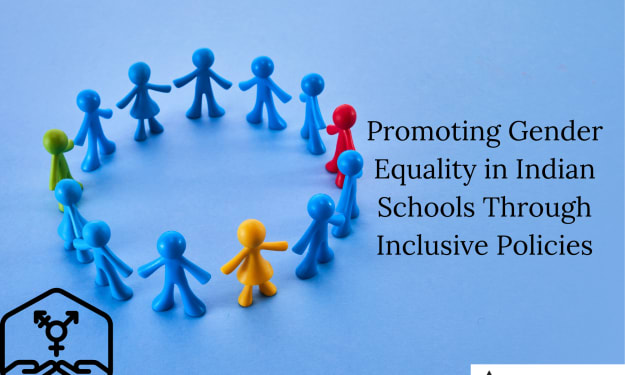
Promoting Gender Equality in Indian Schools Through Inclusive Policies
Gender equality has become a cornerstone for shaping a progressive and fair society. In schools in India, this aspect holds immense significance as they are foundational institutions where young minds are nurtured.
By Anshuman Uniyal2 years ago in Education
Education and Training: The road to Success . Content Warning. AI-Generated.
Education and Training: A Better Road to the Future Education and training form the bases of development and growth. They empower individuals to reach their potential, enable them with skills that can be used to better the world, and fundamentally promote knowledge and innovation. In this article, we explore the importance of education and training, its key benefits, and how they will shape a bright future for individuals and societies.
By Asifbashir2 years ago in Education
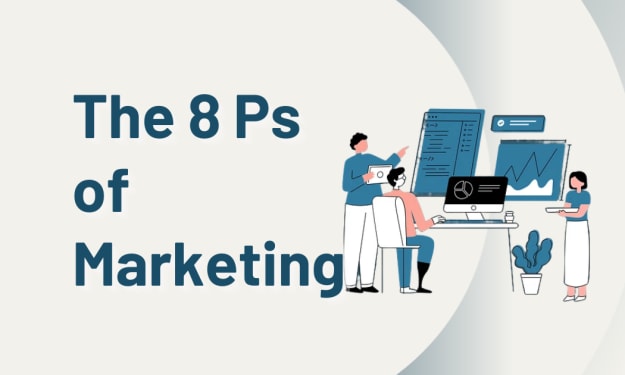
From Product to Process: Understanding the 8Ps of Marketing. AI-Generated.
Introduction to the 8Ps of Marketing The 8Ps of Marketing is a modern extension of the traditional 4Ps framework (Product, Price, Place, Promotion), which provides a more comprehensive approach to building successful marketing strategies. As markets evolve and consumer behavior becomes more dynamic, businesses must adopt a holistic view of marketing. The 8Ps framework addresses this need by incorporating additional elements critical for success in today’s competitive and interconnected world.
By Zameer Ahmed Shaikh2 years ago in Education