teacher
All about teachers and the world of teaching; teachers sharing their best and worst interactions with students, best teaching practices, the path to becoming a teacher, and more.
The Science of Habit Formation: How Your Brain Shapes Your Life. AI-Generated.
Every day, we make countless choices — some small, some significant. From brushing your teeth to checking your phone first thing in the morning, our lives are filled with habits. But have you ever wondered why habits are so hard to change? And why some people seem to develop good habits effortlessly while others struggle?
By shakir hamidabout a year ago in Education
Why Do I Feel Bad After? Unpacking the Roots of Masturbation Guilt. Content Warning. AI-Generated.
It’s one of the most common, yet rarely discussed, human experiences. You engage in a natural, private act to relieve stress, experience pleasure, or simply to sleep. For a few moments, it feels good. Then, it washes over you—a wave of shame, regret, or a hollow emptiness. The pleasure evaporates, replaced by a puzzling sense of guilt.
By The 9x Fawdiabout a year ago in Education
Inside Gen Z Technology and Education in Real Life
In the digital-first world we live in today, Generation Z is the most technologically immersed and adaptive generation ever. Born between the late 1990s and early 2010s, Gen Z has never known a world without the Internet, smartphones, and social media. There is no separation between their lives and technology; it is an integral part of their daily lives. This digital fluency is changing how they learn, study, and prepare for the future.
By Relationship Guideabout a year ago in Education
How to Make Money Online Without Spending Any Money (My Real Experience from Jamaica)
Have you ever dreamed of making money online without spending any money to start? I know I have. You know the one I'm talking about, sitting at home, working whenever you want, and seeing real money come into your bank account without paying a single dollar first. I live in Jamaica, and sometimes it feels like the good opportunities are somewhere else. I really wanted to know if that dream could be real for me, right here.
By Diana Crooksabout a year ago in Education
Masturbation: A Social Taboo Explained. AI-Generated.
My first encounter with the concept of masturbation wasn't in a health class or a conversation with my parents. It was in the hushed, giggling tones of the school locker room when I was twelve. A word was whispered—"jerk-off"—laced with so much contempt that it instantly felt dirty, shameful, something only the "weird" kids did. That single moment planted a seed in my mind: this natural part of human development was a secret to be kept, a mark of disgrace.
By The 9x Fawdiabout a year ago in Education
ASL Isn’t English in Disguise
I've been signing for over forty years and teaching online for the last ten years. If I had a dollar for every time a student was surprised that ASL isn’t just “English on the hands” — or that facial expressions are actually required — I’d be retired by now.
By Tracy Stineabout a year ago in Education
Learning Beyond Grades. AI-Generated.
When we think about education, most of us picture the same familiar scene — rows of desks, students bent over notebooks, and a teacher trying to explain something that half the class pretends to understand. The smell of chalk, the ring of the lunch bell, and the slow countdown to graduation.
By shakir hamidabout a year ago in Education
The Little Moments That Make a Teacher’s Day
There’s something quiet about a classroom before the first bell. A kind of suspended breath. The sunlight crawls across the desks, pencils roll slowly toward the edge, and for a brief second everything feels ready. Then the day begins—and it rarely goes as planned. Yet, amid the noise and the rush, there are small, almost invisible moments that remind teachers why they keep showing up.
By Kelsey Thornabout a year ago in Education
The Young Millionaire
This is the foundational internal work required before any practical steps. IV. Pitfalls to Avoid 1. **Wealth is a Mindset, Not an Amount:** You must see yourself as a wealth-creator first. Your beliefs about money, success, and your own capabilities dictate your financial reality.
By StoryVerseabout a year ago in Education
The Silent Language of Eyes
The human eye has always been called the window to the soul. For centuries, poets, philosophers, and dreamers have tried to capture the mystery hidden behind a single glance. Some say the eyes can lie, while others argue that they reveal the deepest truths of the heart. But what happens when one look changes the course of an entire life? This is the story of Aria, a young woman whose gaze held the power of both strength and silence.
By Emranullahabout a year ago in Education
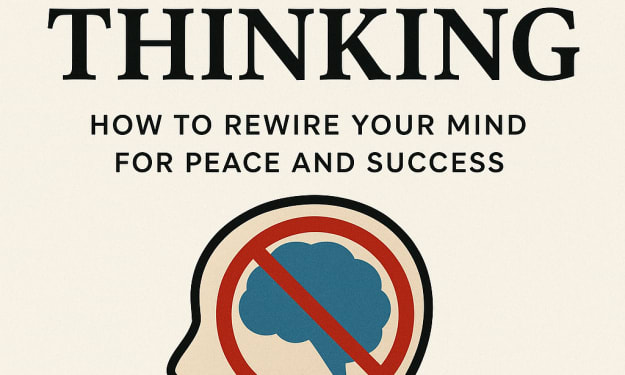
Stop Negative Thinking
Negative thinking is more than just occasional worry or stress. It’s a pattern of thoughts that focuses on failure, self-doubt, and pessimism. These thoughts can affect your decisions, emotions, and even your physical health. Exercise: Write down recurring negative thoughts for one week. Seeing them on paper helps you understand their frequency and triggers. The Root of Negativity Most negative thoughts stem from fear, past experiences, social conditioning, or low self-esteem. Identifying the source is the first step to control them. Example: If you fear public speaking due to a past embarrassing moment, acknowledging it helps reduce its power. How Negative Thinking Affects Your Life Negative thoughts influence your relationships, career, and happiness. Chronic negativity can lead to stress, anxiety, depression, and missed opportunities. Tip: Notice moments when you self-sabotage due to negative thinking and journal about them. Awareness is Power Before you can stop negative thoughts, you must recognize them. Start by pausing and asking yourself: “Is this thought helping me or hurting me?” Exercise: Practice mindfulness for 5 minutes daily, observing your thoughts without judgment. Challenge Your Thoughts Not every thought is true. Negative thinking often distorts reality. Question your assumptions: “Is this fact or my interpretation?” Example: Thinking “I always fail” is not accurate—focus on evidence of your successes. Replace Negativity with Positivity Once you identify negative thoughts, replace them with positive or neutral alternatives. This doesn’t mean ignoring problems—it means focusing on solutions. Exercise: Turn “I can’t do this” into “I will try and learn from this.” Practice Gratitude Gratitude shifts focus from what’s wrong to what’s right. Daily gratitude can rewire your brain for positivity. Exercise: List 3 things you’re grateful for every morning or night. Surround Yourself with Positivity People, media, and environments influence your thinking. Engage with uplifting content and supportive individuals. Tip: Limit time on negative news or social media accounts that trigger stress. The Power of Self-Talk Your inner dialogue shapes your reality. Speak to yourself kindly, encouragingly, and with patience. Exercise: Each time you catch yourself thinking negatively, say a positive affirmation out loud. Mindfulness and Meditation Mindfulness keeps you grounded in the present moment, reducing worry and rumination. Exercise: Meditate for 10 minutes, focusing on your breath. Let negative thoughts pass without attachment. Visualize Success Visualization helps rewire the brain. See yourself achieving goals, overcoming challenges, and handling stress calmly. Exercise: Spend 5 minutes imagining a positive outcome for a current challenge. Break the “What If” Cycle “What if” thinking fuels anxiety. Focus on what is rather than what could go wrong. Exercise: Replace “What if I fail?” with “I will do my best and learn.” Develop Resilience Challenges are inevitable. Resilience helps you bounce back instead of spiraling into negativity. Tip: Reflect on past challenges and how you overcame them. Recognize your inner strength. Limit Comparisons Comparing yourself to others fuels self-doubt. Everyone’s journey is unique. Exercise: Write your achievements and progress, however small, and celebrate them daily. Cultivate Optimism Optimism is a habit. Expect good outcomes, focus on solutions, and trust your abilities. Exercise: Start each day by writing one positive intention: “Today I will focus on…” Physical Health and Mental Clarity Exercise, sleep, and nutrition impact mental patterns. A healthy body supports a healthy mind. Tip: Daily movement—even 10 minutes—reduces stress hormones and clears mental clutter. Learn from Mistakes Mistakes are not failures—they are feedback. Negative thinking often magnifies mistakes unnecessarily. Exercise: For every mistake, write down the lesson learned and one positive takeaway. -Use Affirmations and Journaling Affirmations reinforce positive thought patterns. Journaling clarifies thinking and reduces mental chaos. Exercise: Start each day with 3 affirmations: “I am capable. I am worthy. I choose positivity.” Seek Support When Needed Sometimes, negativity is deep-rooted and requires help. Therapy, coaching, or support groups can provide guidance. Tip: Talking about your thoughts with someone you trust can lighten mental burden. Make Positivity a Lifestyle Stopping negative thinking is ongoing. Integrate habits from this book daily. Over time, positive thinking becomes second nature. Action Plan: 1. Track your thoughts. 2. Practice gratitude and mindfulness. 3. Replace negative thoughts with solutions. 4. Celebrate small victories.
By Fazal wahid about a year ago in Education