teacher
All about teachers and the world of teaching; teachers sharing their best and worst interactions with students, best teaching practices, the path to becoming a teacher, and more.
What Are the Best Memorization Strategies for Students?
In the academic journey, memorization is a fundamental skill. Whether it’s a list of historical events, a complex scientific formula, or vocabulary in a foreign language, effective memorization strategies can significantly impact a student's success. But what are the best strategies, and how can they be implemented effectively? This comprehensive guide explores various techniques, the science behind memory, and practical tips to enhance retention. By understanding and applying these strategies, students can transform their learning experience and maximize their academic potential.
By Alice Potter 2 years ago in Education
Discover Stability in Education: Apply for Long-Term Teaching Jobs in London. AI-Generated.
Teaching is a rewarding career that shapes future generations, and finding a long-term position in education offers not just financial stability but the opportunity for deep personal and professional growth. In a city as dynamic as London, long-term teaching jobs are highly sought after for the unique opportunities they present. If you are considering a career in education or seeking stability in an existing teaching role, there’s no better place to do so than in London’s diverse educational environment. This article explores why long-term teaching roles in London are an excellent choice and how you can secure your position.
By Jayson Mehra2 years ago in Education
Mythological books written in Hindi
Diversity breathes at the nucleus of mythology, just as diversity reigns at the core of India. Stories flapped within stories, often overlapping one another, anecdotes of truth and morality, gracefully strung oral traditions and a rich culture: these bind the traditional mythology that flows through the heart of the country.
By Sanskriti Online2 years ago in Education
CRM for Small Business: How Coding Cafe Can Help You Succeed
In today’s fast-paced business environment, building strong relationships with customers is vital for success. For small businesses, managing customer relationships efficiently can be challenging without the right tools. That's where Customer Relationship Management (CRM) systems come into play. A well-implemented CRM solution helps small businesses streamline operations, enhance customer interactions, and drive growth. If you’re a small business owner looking for a tailored CRM solution, Coding Cafe can be your ideal partner.
By Team CODINGCAFE2 years ago in Education
Who is Eligible for English Olympiad?
One of the most important competitions, whereby the level of proficiency students have in regard to the English language is measured, is the English Olympiad. It is estimated that more than 1 million students will participate in this event in 2024, which shows its popularity and importance in modern education. The English Olympiad is not only an assessment of language skills; it develops in the minds of the students a sounder knowledge of the language and implants a sense of love for the language.
By Unified Council2 years ago in Education
Teamwork in Action: Real-Life Examples of Successful Collaboration
In today’s fast-paced world, teamwork and collaboration have become essential elements for success in various fields. Whether in the workplace, sports, or community projects, the ability to work together effectively can lead to remarkable achievements. This blog will explore real-life examples of successful collaboration that highlight the importance of teamwork in different settings. By examining these cases, we can gain valuable insights into how teamwork can be cultivated and why it matters.
By Educational Villa2 years ago in Education
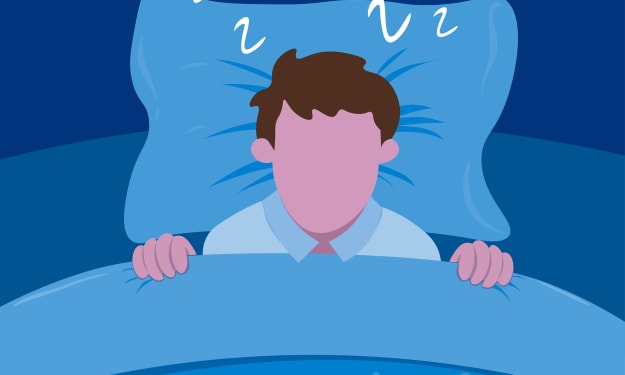
SLEEP . AI-Generated.
The Sweet Slumber: A Comprehensive Guide to Sleep Sleep, a seemingly passive state, is a vital biological process that underpins our physical and mental well-being. It's a time when our bodies repair, rejuvenate, and consolidate memories. Yet, despite its importance, sleep often takes a backseat in our busy lives. Let's delve into the world of sleep, understanding its significance, stages, and how to optimize it. Why Do We Sleep? While the exact reasons for sleep are still being explored, scientists have uncovered several crucial functions: Physical Restoration: During sleep, our bodies repair damaged tissues, muscles, and cells. Hormones that promote growth and development are also released. Cognitive Function: Sleep is essential for memory consolidation, learning, and problem-solving. It helps the brain process information and make connections. Emotional Regulation: Sleep plays a crucial role in mood regulation. Inadequate sleep can contribute to feelings of anxiety, depression, and irritability. Immune System Boost: A well-rested body is better equipped to fight off infections and diseases. Sleep helps strengthen the immune system. The Stages of Sleep Sleep is a cyclical process that involves different stages. These stages are divided into two main phases: Rapid Eye Movement (REM) sleep and Non-REM (NREM) sleep. NREM Sleep: This phase is further divided into four stages: Stage 1: A transitional phase between wakefulness and sleep. Stage 2: Light sleep, characterized by brief periods of muscle relaxation. Stage 3: Deep sleep, essential for physical restoration and memory consolidation. Stage 4: The deepest stage of sleep, characterized by slow brain waves. REM Sleep: This stage is marked by rapid eye movements, increased brain activity, and vivid dreams. It's crucial for emotional regulation and memory consolidation. How Much Sleep Do We Need? The ideal amount of sleep varies from person to person, but most adults require 7-9 hours per night. However, individual needs may change with age and other factors. Sleep Disorders Many people experience sleep disorders that can significantly impact their quality of life. Common sleep disorders include: Insomnia: Difficulty falling asleep or staying asleep. Sleep Apnea: Disrupted breathing during sleep, often caused by airway obstruction. Narcolepsy: Excessive daytime sleepiness and sudden sleep attacks. Restless Legs Syndrome: Uncomfortable sensations in the legs that urge movement. Tips for Better Sleep Create a Sleep-Conducive Environment: Ensure your bedroom is dark, quiet, and cool. Establish a Consistent Sleep Schedule: Try to go to bed and wake up at the same time each day, even on weekends. Limit Screen Time Before Bed: The blue light emitted by electronic devices can interfere with sleep. Avoid Heavy Meals and Stimulants Before Bed: Alcohol and caffeine can disrupt sleep. Manage Stress: Practice relaxation techniques like meditation or deep breathing to reduce stress. Consult a Doctor: If you're struggling with sleep, consult a healthcare professional to rule out underlying medical conditions. The Role of Sleep in Mental Health Sleep is not only essential for physical health but also plays a crucial role in mental well-being. Inadequate sleep has been linked to various mental health issues, including: Depression: Chronic sleep deprivation can contribute to feelings of sadness, hopelessness, and loss of interest. Anxiety: Sleep disturbances can exacerbate anxiety symptoms, leading to difficulty concentrating, irritability, and restlessness. Mood Disorders: Sleep disruptions can disrupt the body's natural circadian rhythm, which can contribute to mood swings and bipolar disorder. The Impact of Sleep on Learning and Memory Sleep is essential for consolidating memories and improving learning. During sleep, the brain reorganizes and strengthens neural connections, enhancing memory retrieval and problem-solving abilities. Studies have shown that sleep deprivation can impair memory formation, attention, and cognitive function. Sleep and Aging As we age, our sleep patterns naturally change. Older adults often experience more frequent awakenings and have difficulty falling back asleep. Additionally, sleep disorders like sleep apnea become more common with age. It's important for older adults to prioritize sleep hygiene and seek medical attention if they are experiencing significant sleep disturbances. Sleep and Chronic Diseases Sleep deprivation has been linked to a variety of chronic diseases, including: Heart disease: Poor sleep quality can increase the risk of high blood pressure, heart attack, and stroke. Diabetes: Sleep disturbances can affect insulin sensitivity and contribute to the development of type 2 diabetes. Obesity: Inadequate sleep can disrupt hormones that regulate appetite and metabolism, leading to weight gain. The Importance of Sleep for Athletes Sleep is crucial for athletes to optimize performance and recovery. During sleep, the body repairs muscles, replenishes energy stores, and enhances cognitive function. Athletes who prioritize sleep tend to experience faster recovery times, improved athletic performance, and reduced risk of injuries. Conclusion Sleep is a vital aspect of our overall health and well-being. It is essential for physical restoration, cognitive function, emotional regulation, and immune health. By understanding the importance of sleep and implementing healthy sleep habits, we can improve our quality of life and reduce our risk of various health problems. If you're struggling with sleep, don't hesitate to consult a healthcare professional for guidance and support.
By D. Jahidul 2 years ago in Education
Your Path to Becoming a Teaching Assistant
Your Path to Becoming a Teaching Assistant: How to Choose the Right Qualification For many individuals, especially parents or those looking for a career change, becoming a Teaching Assistant (TA) is a rewarding way to make a difference in children’s lives. It offers the opportunity to work in a school environment and support teachers in delivering education. However, before you begin your journey, it’s essential to choose the right course, particularly one that’s recognized on the Regulated Qualifications Framework (RQF).
By Study from Home2 years ago in Education
Sustainable Living: Tips for a Greener Lifestyle
Living sustainably involves making choices that aim to reduce the use of natural and personal resources, promoting environmental health, social equity, and economic viability. It covers a broad range of practices that are essential in the face of challenges like climate change, pollution, and resource depletion. This article offers practical advice for individuals seeking to adopt sustainable living and make a positive impact on the planet.
By Mayowa Clement2 years ago in Education
Mental Health Awareness in the Digital Age
Introduction In today's world, the intersection of mental health and technology has become increasingly important due to the rapid advancements in communication and information technology. This has transformed how we interact, access information, and seek support for mental health issues. This essay delves into the implications of the digital age on mental health awareness, the advantages and disadvantages of technology in mental health care, and the significance of creating a supportive online environment.
By Mayowa Clement2 years ago in Education