teacher
All about teachers and the world of teaching; teachers sharing their best and worst interactions with students, best teaching practices, the path to becoming a teacher, and more.
The Magic of Travel. AI-Generated.
Travel is some different option from a trip beginning with one spot then onto the following; an experience licenses us to extend our perspectives, learn about new social orders, and make persevering through memories. Whether you're examining the clamoring streets of a critical city, moving through the peaceful open nation, or relaxing on an isolated sea side, travel has an uncommon way to deal with upgrading our lives. We ought to dive into why travel is so huge and the impact it has on us.
By Arean Ahamad2 years ago in Education
How Memes Are Changing Modern Communication
In recent years, memes have evolved from being humorous images or videos shared among friends on the internet to a dominant force in communication. What once started as a niche aspect of online culture has now become a global phenomenon that shapes the way we interact with each other, consume information, and even influence social and political landscapes. The simplicity, relatability, and humor embedded in memes make them an essential tool for modern communication. In this article, we’ll explore how memes are changing the way we communicate, why they are so effective, and the broader impact they have on society. The Rise of Memes in Modern Communication Memes, as we understand them today, are often visual images or videos, accompanied by text that provides context or humor. The term "meme" itself was coined by Richard Dawkins in his 1976 book *The Selfish Gene, where he referred to a meme as an idea, behavior, or style that spreads from person to person within a culture. However, in the digital age, memes have transformed into a format primarily shared and spread through social media platforms such as Instagram, Twitter, Facebook, and Reddit. The ability of memes to travel rapidly and resonate with large groups of people has played a significant role in their popularity. A single meme can go viral in a matter of hours, thanks to the interconnectedness of the online world.
By Nora Ariana2 years ago in Education
The Revival of '90s Nostalgia in Pop Culture
In recent years, there has been a resurgence of ‘90s nostalgia in pop culture, captivating a wide audience and influencing everything from fashion trends to television, music, and technology. For many, the 1990s represent a simpler time, one that is often romanticized as an era of cultural innovation, iconic television shows, and groundbreaking music. Today, this nostalgia has made its way back into mainstream media, offering a blend of old-school charm and contemporary reinterpretation that appeals to both those who lived through the decade and younger generations who are discovering it for the first time. The appeal of ‘90s nostalgia can be traced to a combination of factors, including the passage of time, the rise of digital media, and a desire for a return to a less complex world.
By Nora Ariana2 years ago in Education
The Impact of Celebrity Culture on Society
In the modern world, celebrity culture has become a pervasive and influential force that shapes the way we think, act, and interact with each other. Celebrities, once seen as rare and distant figures, have now become integral to daily life through the rise of social media, reality TV, and 24/7 news cycles.
By Nora Ariana2 years ago in Education
How Gen Z is Redefining Social Norms
Generation Z, those born between 1997 and 2012, is the first generation to grow up entirely in the digital age. As a result, they have a unique perspective on social norms, and they are not afraid to challenge the traditional expectations that have shaped previous generations. From the way they approach relationships, work, and self-expression, Gen Z is pushing boundaries and rethinking what is acceptable in society. This generation’s attitudes and behaviors are influencing everything from fashion trends to workplace culture, and they are making it clear that they won’t conform to the status quo. One of the most significant ways Gen Z is redefining social norms is through their relationship with technology and social media. Unlike previous generations, who grew up without the constant presence of the internet and smartphones, Gen Z has had these tools from an early age.
By Nora Ariana2 years ago in Education
The Changing Landscape of Movie Theaters Post-COVID
The COVID-19 pandemic dramatically disrupted industries worldwide, and the film industry was no exception. Movie theaters, which had been a staple of entertainment for over a century, faced unprecedented challenges.
By Nora Ariana2 years ago in Education
The Popularity of True Crime: Why We’re Fascinated
True crime has become a cultural phenomenon, captivating audiences through books, podcasts, television shows, and documentaries. This genre delves into the darker side of humanity, exploring cases of murder, fraud, and other criminal activities. Its popularity has surged in recent years, sparking debates about why people are so drawn to these grim narratives. To understand this fascination, we must examine psychological, social, and cultural factors that contribute to the appeal of true crime. One reason for the popularity of true crime is our innate curiosity about the human mind, particularly when it deviates from societal norms. True crime stories often delve deep into the psychology of criminals, exploring their motives, thought processes, and the factors that led them to commit heinous acts. Understanding what drives someone to commit murder or orchestrate a complex fraud scheme provides a glimpse into the complexities of human behavior. For many, this exploration satisfies a morbid curiosity about the darker aspects of life. Additionally, true crime taps into our need for storytelling. Humans have always been drawn to narratives, and true crime offers compelling plots filled with twists, turns, and mysteries to unravel. There is a certain satisfaction in piecing together clues and following investigators as they work tirelessly to solve cases. The genre often portrays a clear beginning, middle, and end, giving audiences the sense of closure that real life sometimes lacks. Another factor that contributes to the appeal of true crime is the sense of justice it often portrays. In a world where injustices frequently go unaddressed, true crime stories often highlight the pursuit of justice and the triumph of good over evil. Viewers and readers find comfort in seeing perpetrators brought to justice, even if the stories are disturbing. This sense of closure and justice provides a cathartic experience for audiences. The rise of true crime podcasts and streaming services has also played a significant role in the genre's popularity. Platforms like Netflix, Hulu, and Spotify have made it easier than ever to access true crime content. With a vast array of documentaries, series, and podcasts available at our fingertips, audiences can indulge their fascination whenever and wherever they choose. The binge-worthy nature of true crime content keeps people coming back for more, creating a loyal and dedicated fan base. Moreover, the interactive aspect of true crime content adds to its appeal. Social media allows fans to discuss cases, share theories, and engage in debates about ongoing investigations. True crime forums and communities have sprung up online, creating a sense of camaraderie among enthusiasts. This collective engagement fosters a sense of involvement and participation, making true crime feel more personal and immersive. From a psychological standpoint, consuming true crime content can serve as a coping mechanism for fear and anxiety. By confronting stories about crime and danger in a controlled environment, audiences may feel better prepared to handle real-life threats. True crime can also provide a sense of validation for people's fears, reassuring them that their caution is justified. This phenomenon, known as "vicarious preparedness," allows individuals to learn from the experiences of others and develop strategies for personal safety. Gender dynamics also play a role in the popularity of true crime. Studies have shown that women are often the primary consumers of true crime content. This may be due in part to the fact that many true crime narratives focus on cases involving violence against women. By consuming this content, women may feel empowered by gaining knowledge about potential dangers and learning how to protect themselves. True crime can serve as a source of information and awareness, providing insights into the tactics of criminals and the importance of situational awareness. Despite its widespread appeal, true crime is not without its controversies. Critics argue that the genre can be exploitative, sensationalizing tragedies and profiting from the suffering of victims and their families. There are also concerns about desensitization, as consuming large amounts of violent content may numb audiences to the gravity of real-life crimes. Ethical considerations must be taken into account when creating and consuming true crime content to ensure that it respects the dignity of those involved. In response to these criticisms, some creators have shifted their focus to more victim-centered storytelling. Instead of glorifying criminals, they highlight the lives of victims and the impact of crimes on their families and communities. This approach not only honors the memory of those affected but also fosters empathy and understanding among audiences.
By Nora Ariana2 years ago in Education
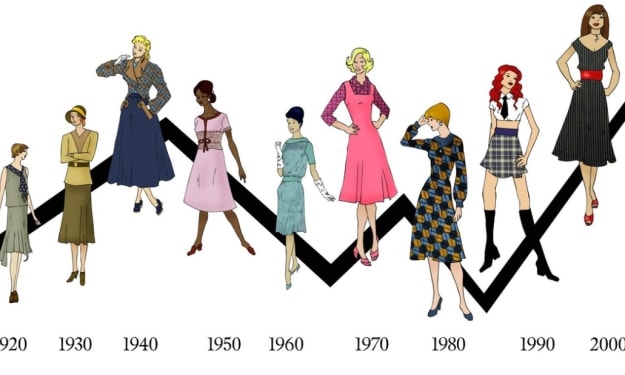
The Evolution of Fashion Trends in the 21st Century
Fashion is a reflection of society, culture, and technology, and throughout history, it has evolved to capture the spirit of each era. The 21st century has seen some of the most dramatic shifts in fashion, driven by changes in social values, the global spread of trends, technological advancements, and the growing influence of digital platforms.
By Nora Ariana2 years ago in Education
The Rise of Streaming Services and the Future of TV
The entertainment industry has undergone a massive transformation in the past decade, with the rise of streaming services dramatically reshaping the way we consume television and film. What was once a world dominated by cable TV and traditional broadcast networks has now evolved into an era of on-demand content, where viewers have more control over what, when, and how they watch.
By Nora Ariana2 years ago in Education
The Ultimate Millennial Money Hack: How to Budget Like a Pro (Even on a $40k Salary!)
Introduction Mastering personal finance as a millennial can feel like an uphill battle, especially when dealing with rising costs, student loans, and stagnant wages. But fear not! With the right strategies, you can stretch your $40,000 salary, crush debt, build credit, and even start investing for retirement. Whether you’re in your 20s or 30s, these actionable personal finance tips for millennials will help you budget like a pro and take control of your financial future.
By Kamel Saidani2 years ago in Education
Social Media Strategies for Small Business Owners
In the digital age, social media has become an essential tool for businesses of all sizes to connect with their target audience, build brand awareness, and drive sales. However, for small business owners with limited resources and time, crafting an effective social media strategy can seem overwhelming. The key is to approach social media with a clear plan, consistency, and a focus on delivering value to your audience. Below are some social media strategies that can help small business owners succeed online. 1. Define Your Goals Before jumping into social media, it’s crucial to define your goals. Do you want to increase brand awareness, generate leads, drive website traffic, or boost sales? Different goals require different approaches. For example, if your primary goal is to build brand awareness, your strategy may focus on content that showcases your brand’s story, values, and unique offerings. If you're looking to increase sales, you may prioritize posts that highlight promotions or product offerings. By establishing clear goals, you can measure the success of your efforts and adjust your strategy accordingly. 2. Know Your Audience Understanding your target audience is the cornerstone of any successful social media strategy. If you don’t know who you’re trying to reach, your efforts will lack focus and may not resonate with the right people. Start by defining the demographics of your ideal customer, such as age, gender, location, interests, and purchasing behavior. Once you have a clear picture of your target audience, tailor your social media content to their preferences and needs. For example, if your audience consists primarily of young adults, you may want to focus on platforms like Instagram or TikTok, where younger users are more active. 3. Choose the Right Platforms Not all social media platforms are created equal, and not every platform will be suitable for your business. As a small business owner, it’s important to choose the platforms where your target audience is most active and where your content can make the biggest impact. The major social media platforms include Facebook, Instagram, Twitter, LinkedIn, TikTok, Pinterest, and YouTube. Each platform has its strengths. For example, Instagram is perfect for businesses that rely on visual content, such as fashion, food, or lifestyle brands. LinkedIn is ideal for businesses in the B2B space, as it allows for professional networking and thought leadership. Understanding the nuances of each platform will help you create tailored content that resonates with users. 4. Create a Content Calendar Consistency is key when it comes to social media. Posting sporadically can confuse your audience and make it difficult to build a loyal following. To stay organized and ensure you’re posting regularly, create a content calendar. This calendar will serve as a roadmap for what content you’ll post, when, and on which platform. Your content calendar should include a mix of different types of posts, such as promotional content, educational posts, behind-the-scenes looks, user-generated content, and interactive content (polls, quizzes, etc.). Balancing different content types keeps your feed fresh and engaging while ensuring you're meeting the needs of your audience. 5. Engage with Your Audience Social media is not a one-way street. If you want to build meaningful relationships with your audience, you need to engage with them. Responding to comments, direct messages, and mentions shows that you value your customers and are interested in what they have to say. Engaging with your followers can also help build trust and encourage loyalty. Beyond responding to direct interactions, consider initiating conversations with your audience. Ask questions, run polls, or invite users to share their opinions. The more you engage, the more likely you are to foster a community around your brand. 6. Use Hashtags Strategically Hashtags are a powerful tool for increasing the visibility of your content, especially on platforms like Instagram and Twitter. Hashtags allow your posts to be discovered by users who are interested in specific topics or keywords. However, using hashtags indiscriminately can be counterproductive. It’s important to use relevant and targeted hashtags that are related to your business, industry, and audience. Take the time to research trending hashtags and industry-specific ones that will help your content reach the right people. For instance, if you’re a small bakery, using hashtags like #baking, #smallbusiness, and #foodie can help your posts get discovered by potential customers interested in your products. 7. Leverage User-Generated Content User-generated content (UGC) is any content that your customers create and share about your brand. It could be a review, a photo of your product in use, or a testimonial. UGC is one of the most authentic forms of social proof, and it’s a powerful tool for building trust with your audience. Encourage your customers to share their experiences with your brand by creating a unique hashtag or running a contest. By sharing UGC on your social media accounts, you not only build trust with potential customers but also show appreciation for your loyal customers. 8. Invest in Paid Advertising While organic social media efforts are important, paid advertising can give your small business an extra boost. Social media platforms like Facebook, Instagram, and LinkedIn offer highly targeted advertising options that allow you to reach specific demographics, interests, and behaviors. You don’t have to have a massive budget to run effective ads. Start small, test different ad formats (carousel ads, video ads, etc.), and optimize based on performance. Paid advertising can help you reach a wider audience and achieve your business goals more quickly, whether you're aiming to increase website traffic or generate sales. 9. Monitor and Analyze Your Performance To determine whether your social media strategy is working, it’s essential to track key metrics. Most social media platforms offer built-in analytics tools that provide insights into how your content is performing. Metrics to pay attention to include engagement rate (likes, comments, shares), reach, click-through rate, and conversion rate. Regularly monitor your performance to understand what types of content resonate with your audience and which strategies are driving results. This data will guide you in refining your approach and ensuring that your social media efforts are aligned with your business goals. 10. Stay Up-to-Date with Trends Social media is constantly evolving, and trends can change quickly. Stay up-to-date with the latest trends and changes to social media algorithms, platform features, and user behavior. Being flexible and willing to adapt your strategy will help you stay relevant and ahead of the competition. Follow social media blogs, attend webinars, and experiment with new features and tools offered by platforms. Whether it’s new content formats like Instagram Reels or TikTok challenges, embracing trends can give your business a fresh edge. Conclusion A well-executed social media strategy can make a significant impact on the growth and success of your small business. By defining your goals, understanding your audience, and creating consistent, valuable content, you can use social media to build brand awareness, foster customer loyalty, and drive sales. Remember that social media is a long-term investment, and success doesn’t happen overnight. Stay consistent, monitor your results, and continuously refine your approach to see meaningful growth for your business.
By Nora Ariana2 years ago in Education