student
From balancing your course load to forging relationships with classmates to extracurricular involvement, these are the tried and true methods to nail your career as a student.
Be Kind to Animals: Why Kindness Towards Animals Matters
**Be Kind to Animals: Why Kindness Towards Animals Matters** Animals are an integral part of our world, contributing to its balance and biodiversity. They provide companionship, aid in agriculture, offer emotional support, and even contribute to scientific advancements. Despite these invaluable contributions, many animals suffer from neglect, abuse, and exploitation at the hands of humans. Being kind to animals is not only an ethical responsibility but also essential for preserving the balance of nature and fostering compassion within our society. This article delves into the reasons why we should be kind to animals and how such kindness benefits both humans and the planet. ### **Ethical Responsibility** Animals, like humans, are sentient beings capable of feeling pain, fear, joy, and love. Just because they do not communicate in human language does not mean they are devoid of emotions. Recognizing their capacity to experience life should compel us to treat them with respect and kindness. Mahatma Gandhi once said, *“The greatness of a nation and its moral progress can be judged by the way its animals are treated.”* This statement underscores the importance of ethical treatment towards animals as a reflection of a society's compassion and humanity. ### **Environmental Balance** Animals play a crucial role in maintaining the ecological balance of the planet. Predators control prey populations, pollinators help in the reproduction of plants, and decomposers break down organic matter to replenish the soil. When animals are harmed or driven to extinction, ecosystems are thrown off balance, leading to environmental issues that can negatively affect humans. By being kind to animals and protecting their habitats, we contribute to the preservation of biodiversity and ensure the health of our ecosystems. ### **Companionship and Emotional Support** For centuries, animals have been companions to humans, offering loyalty, affection, and emotional support. Pets, such as dogs and cats, have been shown to reduce stress, anxiety, and depression. They provide a sense of purpose and unconditional love, which can be therapeutic for people facing emotional challenges. When we treat animals with kindness, we nurture this mutually beneficial relationship, creating bonds that can enrich our lives. ### **Health and Agricultural Benefits** Domesticated animals play a significant role in agriculture by providing milk, meat, and other products. They also help in tasks such as plowing fields and managing pests. Treating these animals kindly ensures their health and productivity, which ultimately benefits humans. Moreover, kind treatment of animals in agricultural settings leads to better-quality products. Stress and cruelty can negatively impact the health of livestock, affecting the quality of the meat, dairy, and other animal-based products. ### **Cultural and Spiritual Importance** In many cultures and religious traditions, animals are considered sacred or symbolic. They often feature in rituals, folklore, and mythology as representations of strength, wisdom, or purity. By being kind to animals, we honor these cultural and spiritual values and demonstrate respect for the beliefs that hold animals in high regard. ### **Scientific Advancements and Humane Treatment** Animals have been used in scientific research to develop life-saving medications and treatments. However, this has raised ethical concerns about animal testing and experimentation. Advocating for humane treatment and the development of alternative methods can ensure that scientific advancements are achieved without unnecessary cruelty to animals. ### **How to Be Kind to Animals** 1. **Adopt, Don’t Shop:** Instead of buying pets from breeders, consider adopting from shelters. This helps reduce the number of homeless animals and gives them a chance at a better life. 2. **Report Animal Cruelty:** If you witness animal abuse or neglect, report it to local authorities or animal welfare organizations. 3. **Support Animal Welfare Organizations:** Donate to or volunteer with organizations that rescue and care for animals. 4. **Educate Others:** Spread awareness about the importance of treating animals with kindness and respect. 5. **Provide Proper Care:** Ensure that your pets have access to food, water, shelter, and veterinary care. 6. **Avoid Products Tested on Animals:** Opt for cruelty-free products to support companies that do not test on animals. 7. **Respect Wildlife:** Observe wild animals from a distance and avoid disturbing their natural habitats. 8. **Choose Ethical Food Sources:** Support farms and producers that prioritize the humane treatment of animals. ### **The Ripple Effect of Kindness** Kindness towards animals often extends to other areas of life. People who show compassion towards animals are more likely to exhibit empathy and kindness towards fellow humans. This ripple effect can foster a more compassionate and humane society. Moreover, children who are taught to be kind to animals grow up understanding the value of empathy and responsibility. These values shape them into compassionate adults who care for the world around them. ### **Conclusion** Being kind to animals is a fundamental aspect of living ethically and responsibly. It benefits not only the animals themselves but also humans and the environment. By fostering compassion towards animals, we create a more harmonious and balanced world. Let us all take a step towards kindness by treating animals with the respect and care they deserve. In doing so, we contribute to a world that values empathy, compassion, and coexistence.
By Nora Ariana2 years ago in Education
Tech’s Valuation Is Cracking: The NVIDIA Decline Signals a Reality Check
For years, Silicon Valley has pushed the tech envelope beyond reason, where tech stocks are valued less on fundamentals and more on collective optimism. NVIDIA’s stock correction on Jan 27th, 2025, losing nearly 20%, contributed to an incredible $580 billion loss in its market value just in hours. This isn’t just a correction; it’s the biggest market value drop in U.S. stock market in history (Bloomberg). And this may not be the last we see.
By Andrea Zanon2 years ago in Education
Secrets insights of a better mind brain and blissful life
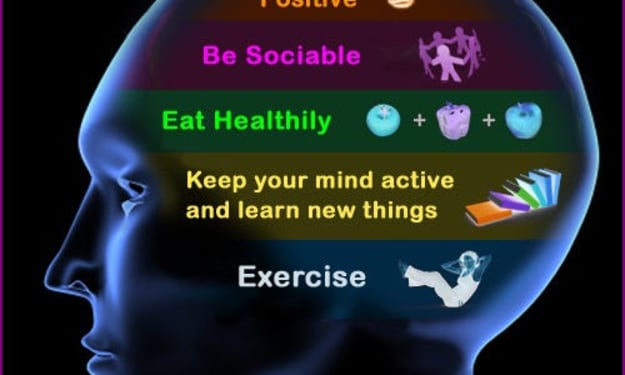
Privileged insights of a better brain and blissful life In our quick-moving world, accomplishing a better brain and a blissful life could appear to be a tricky dream. Nonetheless, with a couple of careful practices and a way of life transformation, developing mental prosperity and happiness is conceivable. Here are a few insider facts to help you on your excursion to a better psyche and a more cheerful life.
By EMMANUEL S JOHN2 years ago in Education
Ending the quite: raising emotional wellness and mindfulness
Ending the Quiet: Raising Emotional wellness Mindfulness https://shrinkme.ink/mindawareness As of late, the subject of emotional wellness has acquired critical consideration, revealing insight into a frequently neglected part of generally prosperity. Psychological wellness mindfulness is essential for cultivating figuring out, decreasing disgrace, and empowering individuals to look for help. By ending the quiet, we can make a more steady and sympathetic culture.
By EMMANUEL S JOHN2 years ago in Education
4 Ways Long-Distance Relationships Affect Mental Health: Navigating the Emotional River. Content Warning. AI-Generated.
In our globalized world, where career opportunities, education, or personal circumstances can often put up miles between couples, long-distance relationships (LDR) are becoming more and more prevalent. Though technology has made communication easier, there are many unique challenges to keeping the emotional connection alive in a long-distance relationship.
By Juvair Akhtar2 years ago in Education
Mental Health in the Workplace: What Can Be Done
In today’s fast-paced and ever-changing work environment, mental health in the workplace has become a critical topic. As employees juggle personal and professional responsibilities, the pressure to meet deadlines, maintain productivity, and navigate workplace dynamics can take a toll on their mental well-being. Yet, despite the growing awareness of mental health issues, many workplaces still lack sufficient strategies to address these challenges effectively. Mental health problems such as anxiety, depression, and burnout can significantly affect an individual’s performance, relationships with colleagues, and overall job satisfaction. Fortunately, there are numerous ways employers and employees can work together to promote mental well-being in the workplace. In this article, we will explore the importance of mental health in the workplace and discuss practical steps that can be taken to support employees and foster a healthier work environment. ### The Importance of Mental Health in the Workplace Mental health is an integral aspect of overall well-being, influencing how we think, feel, and behave in our daily lives. When mental health issues arise, they can have far-reaching consequences, both for the individual experiencing the difficulties and the workplace as a whole. - **Impact on Employee Productivity**: Mental health problems can cause employees to struggle with focus, decision-making, and completing tasks, ultimately affecting productivity. According to the World Health Organization (WHO), depression and anxiety cost the global economy approximately $1 trillion per year in lost productivity. - **Impact on Employee Engagement**: When mental health is neglected, employees may feel disengaged, less motivated, and disconnected from their work. This lack of engagement can lead to increased absenteeism, lower job satisfaction, and higher turnover rates, which can ultimately affect the company’s bottom line. - **Impact on Work Relationships**: Mental health issues can also strain relationships with colleagues and managers. Employees struggling with mental health may withdraw from social interactions, exhibit irritability, or find it challenging to communicate effectively, which can contribute to workplace tension and reduce team collaboration. - **Impact on Long-Term Health**: Chronic stress and untreated mental health problems can lead to serious physical health issues, such as high blood pressure, cardiovascular diseases, and weakened immune systems. These long-term effects further increase the costs of healthcare and absenteeism for employers. Given these potential consequences, it’s essential to take proactive steps to support mental health in the workplace, not just for the benefit of individual employees but for the overall success of the organization. ### What Can Be Done to Improve Mental Health in the Workplace? #### 1. **Foster a Supportive Workplace Culture**
By Nora Ariana2 years ago in Education
Creating a Safe and Stimulating Nursery Environment: Tips for Educators
A nursery environment plays a crucial role in shaping young children’s early development. It is not just a space where children spend time, but also a dynamic learning environment where their cognitive, social, emotional, and physical growth takes place. For educators, creating a safe and stimulating nursery environment is key to fostering a sense of security, curiosity, and a love of learning in children.
By William Henry2 years ago in Education
The Power of God's Grace: Lessons from Genesis 6:5-8
The Wickedness of Man and the Grief of God In Genesis 6:5-8, we witness a deeply sorrowful moment in biblical history. Mankind had become so corrupt that every thought and intention of the human heart was continuously evil. God, in His holiness, was grieved, seeing the world He had created consumed by sin. This passage reminds us that sin separates us from God and brings about divine judgment. However, even in the midst of impending destruction, one man found favor in God's eyes—Noah.
By Masonwabe Nyanga2 years ago in Education
Caroline Kennedy: A Legacy of Triumph, Tragedy, and Speaking Out Against RFK Jr.. AI-Generated.
Caroline Kennedy, the only surviving child of former US President John F. Kennedy and Jacqueline Kennedy Onassis, has lived a life full of both privilege and heartbreak. At 67, she continues to captivate the world with her remarkable career and unwavering commitment to public service. But who is the woman behind the headlines? Let's dive into her extraordinary life, her family's legacy, and the controversy that surrounds her.
By Sithy work2 years ago in Education
How to Stay Fit After 40: A Guide to Maintaining Health and Vitality
Reaching the age of 40 can often feel like a turning point in life. Your career, family life, and personal achievements are likely in full swing, but so are the challenges that come with maintaining your physical health. As we age, our bodies naturally change, and staying fit may not come as easily as it did in our younger years. However, with the right mindset, habits, and approach, staying fit after 40 is not only possible but essential for long-term health and well-being. In this article, we will explore practical ways to stay fit after 40, covering everything from exercise to nutrition and lifestyle changes that can help you maintain vitality and strength as you navigate this exciting stage of life. ### Why Staying Fit After 40 Matters
By Nora Ariana2 years ago in Education