product review
Product reviews for those who yearn to learn; a breakdown of the best back-to-school supplies, test prep manuals, online study tools and other resources for students and teachers alike.
The Brave Little Mouse
The Brave Little Mouse Once upon a time, in a quiet little village nestled between rolling green hills, there lived a small mouse named Milo. Unlike the other mice in his colony, Milo was not content with simply hiding in the shadows and scavenging for crumbs. He dreamed of being brave, of standing up for others, and of making a difference—no matter how small he was.
By Shahzad Khanabout a year ago in Education
The Cunning Monkey
The Cunning Monkey Deep in the heart of a vast, vibrant jungle, where sunlight filtered through thick canopies and the air buzzed with the songs of birds, there lived a monkey named Miko. Unlike the other monkeys who spent their days swinging from branches and playing together, Miko was different. He was clever—too clever. His sharp mind often led him to mischief, and while some animals admired his intelligence, many others distrusted him.
By Shahzad Khanabout a year ago in Education
5 Signs of High-Quality Craftsmanship in Wood Furniture
When it comes to wood furniture, craftsmanship makes all the difference. A beautifully made piece can last for generations, becoming a functional heirloom that not only serves a purpose but also enhances the style and comfort of your home. In contrast, poorly made furniture often lacks durability and aesthetic value. Whether you're shopping for a dining table, dresser, or bookshelf, here are five signs that reveal true high-quality craftsmanship in wood furniture.
By OPAA LIVINGabout a year ago in Education
Calm Your Space!
Cultivating a sanctuary of calm in your home can be transformative. One of the most powerful ways to elevate your daily environment is by integrating sunset wall art with affirmations. This intentional form of motivational décor helps shape your mindset, reduce stress, and promote clarity by turning your walls into sources of inspiration. One beautiful example is the Nature’s Sunset Lake Inspirational Wall Art Digital Print (Set of 3) available at Netta Vibes, which captures the serenity of nature while embedding gentle, powerful affirmations right into your space.
By Netta Readsabout a year ago in Education
Starting from Scratch: How to Reach $10K a Month with Affiliate Marketing
Have you ever dreamed of making $10,000 a month while working from anywhere? With affiliate marketing, that dream is more possible than ever—even if you're starting from zero. But let's be clear: it takes strategy, consistency, and a willingness to learn.
By Terrance Williamsabout a year ago in Education
How brain and hearing problems occur + beginner tips to stay sharp and sound.
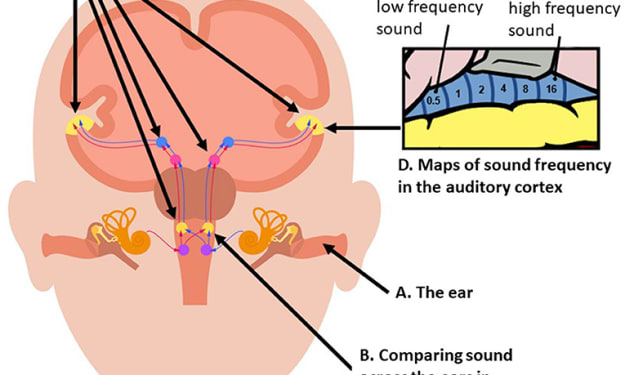
Your brain and hearing are closely connected. In fact, your ears don’t just pick up sound — your brain processes and understands it. That’s why problems in one area can often affect the other. Losing hearing can affect memory, and poor brain health can make it harder to focus or listen clearly.
By cherry marlabout a year ago in Education
Gut health and vagus nerve: causes of problems + tips for beginner.
Your gut and brain are more connected than most people realize. At the heart of this connection lies the vagus nerve — a long nerve that runs from your brain to your stomach and intestines. When your gut health is poor or your vagus nerve isn't working well, it can lead to issues like bloating, constipation, anxiety, and fatigue.
By cherry marlabout a year ago in Education
how nutritional problem caused:A beginners guide + tips to stay healthy.
Nutrition plays a major role in our overall health. The food we eat directly affects how our body functions, grows, and heals. But when we don’t get the right nutrients — or get too much of certain ones — it can lead to nutritional problems. These issues can affect energy, mood, weight, immunity, and long-term health.
By cherry marlabout a year ago in Education
7 Psychological Tricks Toppers Use to Learn Smarter (Not Harder)"
We’ve all seen them—those students who seem to effortlessly grasp concepts, always have their notes ready, and somehow manage top grades without pulling all-nighters. No, they aren’t superheroes or born geniuses. Many toppers use psychological techniques—consciously or unconsciously—to enhance their learning. These tricks are backed by cognitive science and can be adopted by anyone to learn more efficiently. Here are 7 powerful psychology-based techniques that toppers use to stay ahead of the curve: --- 1. Active Recall: The Brain’s Favorite Way to Learn Instead of passively reading or highlighting, toppers test themselves often. This method is called active recall, and it’s scientifically proven to strengthen memory. How it works: After reading a chapter, toppers close the book and try to write down or explain everything they remember. Then they check for gaps. Why it works: Every time you try to recall information, your brain reinforces those neural pathways—making it easier to retrieve later. Try it: After each study session, write down what you remember on a blank page or quiz yourself with flashcards. --- 2. Spaced Repetition: Beat Forgetting With Timing Toppers don’t cram. Instead, they review material over time using spaced repetition—revisiting content at increasing intervals. How it works: The first review happens shortly after learning, the next in a few days, then a week later, and so on. Why it works: This timing aligns with the brain’s forgetting curve, reinforcing memories just before they fade. Try it: Use tools like Anki or even a simple calendar to schedule your reviews. --- 3. Interleaving: Mixing Things Up for Better Retention Many students study one topic for hours before moving on. Toppers mix subjects and question types within the same session. This is called interleaved learning. How it works: Instead of studying all math problems, you mix algebra, geometry, and calculus in one session. Why it works: The brain is forced to constantly shift and adapt, which strengthens problem-solving and improves memory. Try it: Mix subjects or types of questions while practicing. Don’t wait to “finish” one before starting another. --- 4. Visualization: Make Learning Stick with Mental Images Toppers often turn abstract concepts into visuals—charts, diagrams, mind maps, or even silly mental images. How it works: They imagine concepts as stories or pictures that are easy to remember. Why it works: The brain processes images faster and remembers them longer than words. Try it: Turn a biology process into a comic strip or use color-coded mind maps to link concepts. --- 5. Teaching: If You Can Explain It, You Know It You’ve probably heard this: “If you can’t explain it simply, you don’t understand it well enough.” Toppers live by this rule. How it works: After studying, they try to explain the concept to someone else (or even to themselves). Why it works: Teaching forces you to organize information clearly and reveals weak spots in understanding. Try it: Use the Feynman Technique: write the topic in simple words, pretend you’re teaching it, identify gaps, and simplify again. --- 6. Goal-Oriented Studying: Focus with Purpose Instead of vague study sessions, toppers set clear, bite-sized goals: “Understand osmosis,” or “Solve 5 physics problems.” How it works: Each session has a focus, a time limit, and a target outcome. Why it works: The brain engages more deeply when it knows exactly what to achieve, and small wins boost motivation. Try it: Before you begin, write down a clear objective. Avoid generic goals like “study biology.” --- 7. Mindful Breaks: Rest Is Part of Learning Toppers know that overloading the brain leads to burnout, not brilliance. They use breaks smartly. How it works: Techniques like the Pomodoro Technique (25 minutes work, 5-minute break) or even a walk can refresh the mind. Why it works: Breaks allow your brain to consolidate information and prevent fatigue. Try it: Study in focused blocks and step away—no phone, just a real break. Your mind will thank you. --- Final Thoughts These tricks aren’t magic—they’re methods rooted in how our brains naturally work. Toppers don’t always study more; they study better. With a shift in approach and consistent practice, anyone can use these psychological techniques to level up their learning game. So next time you sit down to study, don’t just read. Recall, mix, explain, space it out, and take a smart break. You’ll be amazed how much more you retain—and how much less stressful learning becomes.
By SophiaSosoabout a year ago in Education
Why Custom Mobile App Development Is Key to Business Success
In today’s digital-first world, having a strong mobile presence is no longer a luxury—it's a necessity. With users spending more time on their mobile devices than ever before, businesses that invest in mobile solutions are setting themselves up for long-term success. Partnering with a custom mobile app development company can be a transformative move that unlocks new levels of efficiency, customer engagement, and revenue growth.
By Evhenii Diachenkoabout a year ago in Education