interview
Interviews with educators, innovative graduate students and individuals who've devoted their lives to the development of the world's youth.
PHYSICAL AND EMOTIONAL BOUNDARIES.
Physical and emotional boundaries are fundamental aspects of personal wellbeing and interpersonal relationships. They serve as invisible lines that define the limits of acceptable behavior, protect our sense of self, and ensure mutual respect and understanding between individuals. Understanding and respecting these boundaries are crucial for maintaining healthy relationships, whether they are familial, platonic, or romantic.
By Justbennie2 years ago in Education
Beyond the Cradle
The morning sun filtered through the curtains, casting a golden hue on the nursery walls. Emily sat in the rocking chair, cradling her newborn son, Lucas. His tiny fingers curled around her thumb, his breath soft and rhythmic. This moment, she realized, was the culmination of months of anticipation, worry, and hope. Emily and her husband, David, had always dreamed of having a family. Their journey to parenthood, however, had been fraught with challenges. After years of trying to conceive naturally, they turned to fertility treatments. Each cycle brought its own set of emotional highs and lows, but they persevered, driven by the unwavering desire to hold their own child. When Emily finally saw the two pink lines on the pregnancy test, she could hardly believe it. She ran to David, tears streaming down her face, and whispered, "We're going to be parents." That night, they celebrated with cautious joy, knowing that the road ahead would still be filled with uncertainty. The pregnancy was not without its complications. Emily developed gestational diabetes, necessitating strict dietary changes and frequent monitoring. There were nights when the fear of losing the baby overwhelmed her, but David's steady presence was her anchor. He attended every doctor's appointment, held her hand through every scare, and reassured her with his quiet strength. When Lucas was born, their world transformed in an instant. The sleepless nights, the endless diaper changes, and the constant feedings tested their endurance. There were moments when Emily felt utterly exhausted, her patience fraying at the edges. Yet, every time she looked into Lucas's eyes, she found a wellspring of love and resilience. One night, as Lucas lay in his crib, fussing and unable to sleep, Emily felt a wave of frustration. She had tried everything—rocking, feeding, singing lullabies—but nothing seemed to soothe him. David found her standing by the crib, tears of exhaustion streaming down her face. "Hey, it's okay," he said softly, wrapping his arms around her. "We'll figure this out together." They took turns that night, each offering what comfort they could. Eventually, Lucas settled, and they collapsed onto the couch, a sense of accomplishment mingling with their fatigue. It was in these shared moments of struggle and triumph that Emily and David grew closer, their bond strengthening under the weight of their new responsibilities. As the weeks turned into months, they found their rhythm. Emily learned to trust her instincts, discovering that parenting was as much about flexibility and adaptation as it was about preparation. David became adept at changing diapers and soothing Lucas with his deep voice. They celebrated each milestone—Lucas's first smile, his first tentative steps—with a joy that made every sleepless night worthwhile. Their journey was not without its challenges. Balancing work and parenting demanded meticulous planning and constant communication. There were times when they felt like ships passing in the night, their conversations reduced to logistical updates. But they made a conscious effort to carve out time for each other, understanding that their partnership was the foundation of their family. One evening, after Lucas had fallen asleep, Emily and David sat on the porch, sipping tea and enjoying the rare quiet. They talked about their dreams for Lucas, imagining the person he would become and the life they wanted to build for him. "I want him to know he's loved, no matter what," Emily said. "I want him to feel safe and supported, to grow up knowing that he can achieve anything he sets his mind to." David nodded. "And I want to teach him kindness and empathy, to show him that being a good person is more important than anything else." Their aspirations for Lucas were rooted in their own values, the lessons they had learned from their parents and the experiences that had shaped them. They knew that parenting was a journey of heart and home, a path filled with both trials and triumphs. As the years passed, Emily and David watched Lucas grow into a curious, compassionate, and determined young boy. He brought home artwork from school, each piece a testament to his creativity and imagination. He made friends easily, his genuine nature drawing others to him. They marveled at his resilience, his ability to face challenges with a courage that belied his age. Through it all, Emily and David continued to support each other, navigating the ever-evolving landscape of parenthood with love and understanding. They celebrated the small victories and comforted each other during the tough times, knowing that their journey was one they would walk together. One day, as they watched Lucas run through the yard, his laughter echoing in the air, Emily turned to David. "We've come a long way, haven't we?" David smiled, taking her hand in his. "We have. And we've got a long way to go. But as long as we're together, I know we'll be okay." In that moment, under the warm embrace of the setting sun, Emily felt a profound sense of gratitude. Parenting had been everything and nothing like she had expected. It was a journey that demanded all of her, yet gave back so much more. Beyond the cradle, beyond the sleepless nights and endless worries, lay a world of infinite love and possibility. And it was a world she was honored to explore, hand in hand with David, guided by the light of their son.
By Ajiboye Saheed 2 years ago in Education
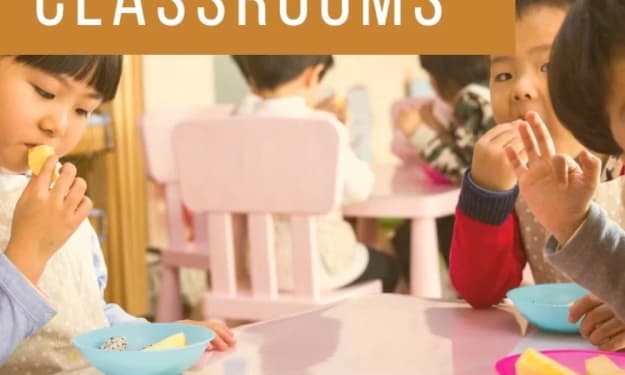
Promoting Positive Social Behavior in the Classroom
Human behavior, particularly social behavior, plays a pivotal role in shaping the dynamics of a classroom. Positive social behaviors, often referred to as pro-social behaviors, encompass actions that are intended to benefit others and foster a harmonious community environment. This article delves into the significance of positive social behavior in educational settings and provides practical strategies for educators to cultivate and promote such behaviors among students.
By Priyangini 2 years ago in Education
Life of a Student in a Boarding school
Boarding school life is a transformative experience for students, offering them a unique environment to grow academically, socially, and personally. For parents, college-going students, and teenagers considering this path, understanding the nuances of boarding school life is essential. Let's delve into what makes boarding schools a compelling choice for many families.
By Priyangini 2 years ago in Education
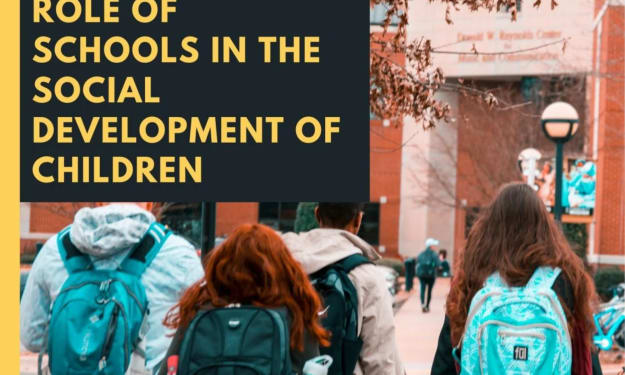
The Role of Schools in the Social Development of Children
Social development is a crucial aspect of a child's growth, significantly impacting their success in various aspects of life. Schools play a pivotal role in nurturing these social skills, as they are one of the first environments where children interact with peers and adults outside their family. This article explores how schools contribute to the social development of children, highlighting strategies and practices that can enhance social and emotional learning (SEL) and social learning in educational settings.
By Priyangini 2 years ago in Education
Ways of Becoming a Responsible Youth
Becoming a responsible youth is about taking charge of your life and making decisions that positively impact your future. It involves understanding your role in society, developing self-discipline, and contributing to your community. This article explores practical steps to help young people become responsible individuals, emphasizing the importance of youth responsibility.
By Priyangini 2 years ago in Education
COMPONENTS OF DISTANCE EDUCATION
Distance education, also known as distance learning, is a method of delivering education to students who are not physically present in a traditional classroom setting. With the advent of technology and the internet, distance education has evolved significantly, providing flexibility and accessibility to learners worldwide. This article delves into the essential components of distance education, focusing on how it benefits students, especially during unprecedented times like the COVID-19 pandemic.
By Priyangini 2 years ago in Education
Helping Students with Learning Disabilities to Succeed
Every individual possesses a unique set of skills and interests, which shape their learning capabilities. However, the traditional classroom environment can be particularly challenging for students with learning disabilities. Recognizing and addressing these challenges is crucial for their academic and personal success. This article explores strategies to support students with learning disabilities, drawing insights from leading sources in the field.
By Priyangini 2 years ago in Education
Teacher Accountability in Modern Education
In the realm of education, teacher accountability stands as a cornerstone, significantly impacting the quality and efficacy of public schooling. This concept denotes the responsibility teachers bear towards their students' learning journey and holistic development. It is a term widely discussed among school administrators, educational bodies, parents, the public, and educators themselves. Understanding the depth of teacher accountability necessitates exploring their primary roles and how they shape students' educational and personal growth, preparing them for real-world challenges beyond the classroom.
By Priyangini 2 years ago in Education