how to
How tos for the learners and the learned; tips and tricks to help you study effectively, survive your school years, impress your teachers and more.
Home Doctor - Practical Medicine for Every Household
"Home Doctor: Practical Medicine for Every Household" is a book that aims to provide practical medical advice and information to individuals and families, allowing them to manage common health issues and emergencies at home. While I don't have access to specific information about this book, I can give you a general idea of what such a resource might cover.
By Hafiz Irfan3 years ago in Education
Why You Should Consider Nutritional Supplements for Your Health
Introduction Nutrition plays an important role in keeping our bodies healthy and strong. However, it can be difficult to maintain a balanced diet all the time. Fortunately, nutritional supplementation can help you bridge the gap between what your body needs and what it is actually getting from your diet. In this blog post, we’ll be exploring why you should consider adding nutritional supplements to your health regimen and how they can benefit your overall well-being.
By Kennedy Baffour Odame3 years ago in Education
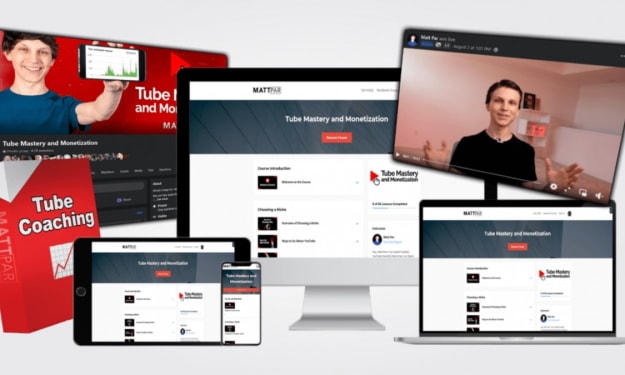
Why you should join online course Tube Mastery and Monetization by Matt Par?
"Tube Mastery and Monetization" is an online course created by Matt Par, a successful YouTuber and entrepreneur. This course aims to provide individuals with the knowledge and strategies necessary to create and monetize a profitable YouTube channel. Let's delve deeper into the course, exploring its key features and benefits.
By Hafiz Irfan3 years ago in Education
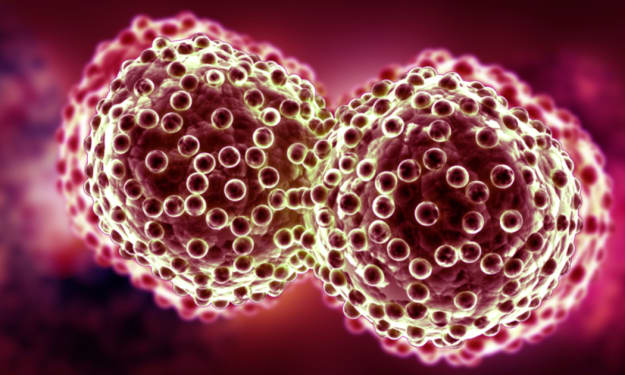
How to reduce Cancer to Become Zero ?
now it is so much easier to prevent cancer than to try to reverse cancer once you have it and out of all the conditions that someone can get medically cancer is probably the most scary the prognosis is not good the treatment is very invasive so today we're going to talk about the prevention of cancer but if you have cancer there is something you can do as well i'm going to put some links down below but an ounce of prevention is worth a pound of cure but only if you have the correct information about prevention I mean how are you going to prevent cancer if you're operating off of the wrong information so today i'm going to share with you some quality knowledge that potentially could help avoid cancer so first of all what causes cancer what causes cancer is damage to your mitochondria then what happens this normal cell converts over to a cancer cell so it's not like an invasion of a an infection a virus it's a situation where your cells are damaged and your body through a survival mechanism converts over to a cancer cell so it originates from a normal cell and so this new cancer cell is very um kind of prehistoric it's very crude it loses its mortality it can actually now live forever and so the metabolism of cancer is completely different from the metabolism of a normal cell its rate of consuming sugar is much higher than a normal cell and the other interesting thing about cancer is that it spreads into areas of inflammation so it can become malignant and spread into areas that you had trauma mechanical injury or for example let's say you're a smoker and you have chronic inflammation your lungs it can spread in that area or let's say there's chronic inflammation in the gut that happen from eating the wrong foods then the cancer can spread to that area as well so it's really important to understand that anything that can create damage in your mitochondria can also cause cancer and there's also other things that are emphasized at the wrong level of importance so it's really valuable to know what is really important versus what is not as important when you're trying to prevent cancer so i think everyone knows smoking usually causes cancer to your lungs but smoking can also cause cancer to your pancreas in fact one of the biggest causes of pancreatic cancer is smoking which is kind of interesting because you would think that it would only affect the lungs but it can affect the pancreas as well and of course the chronic consumption of alcohol can cause cancer okay I think most people know that and then of course they talk about obesity as being a risk factor well um okay is it obesity itself or is it a diet that created obesity like a diet that has uh frequent meals so six meals a day causing a lot of snacking so the combination of both frequent eating and high carbs can increase your risk of getting obese and so in reality I wouldn't say that obesity in itself causes cancer but those things that cause obesity definitely increase cancer especially too much insulin when you have high levels of insulin your risks for cancer go way up and so now it's important to understand what causes an insulin spike well a lot of refined carbohydrates and sugar as well as eating frequent meals and then of course on the flip side of that what about fasting what about intermittent fasting what does that do for cancer well it does a lot it's probably the most important thing you can do if you get cancer in fact there's two cases that i know right now that were both stage four terminal cancer and both of these people did fasting and completely went in remission with cancer I mean the doctors were just dumbfounded I did an interview with one of the gentlemen which I'll put a link down below i mean it's quite amazing to go from a stage four to not having any stages of cancer that's that's incredible and the most important thing to do prolonged fasting and both of these individuals were not smokers they were not drinkers so the question is what caused their cancer well we're going to go through some things now right now if you actually do a research on decreasing your risk factor for cancer you'll see that saturated fat causes cancer or it's linked to cancer and so they're recommending that you should replace your saturated fat with unsaturated fat okay so this right here is very bad advice and all the things I talk about today I'm going to put research down below so you can cross-reference these studies but the quality of studies that they did for fat are basically questionnaire studies very poor quality very inconclusive to say that saturated fat alone increases your risk of getting cancer there are so many other variables that it could be when you're doing this questionnaire type study so as far as the unsaturated fats you have omega-3 and then you have omega-6 fatty acids omega-3 fatty acids are very anti-inflammatory so that would greatly improve inflammation which could decrease the risk of getting cancer right there but then omega-6 fatty acids the corn oils the soy oil cottonseed oil the other unsaturated fatty acids that people are telling you to eat more of and replace the saturated fats well those have direct links of increasing inflammation but there's also some credible data that shows that when you consume these seed oils that are heated as in frying something greatly increase your risk of getting cancer and I'll put that data down below now what about mono unsaturated fats like avocado oil or olive oil well those show some pretty good anti-cancer effects so those are pretty safe but personally I've not seen any credible data that shows in any way that saturated fats are linked to increasing your risk of getting cancer now what about trans fats yes there is some big links between trans fats and increasing risk of cancer so to simplify what I'm going to talk about is the more refined something is the more chemically processed something is like the vegetable oils for example where they're using all sorts of chemicals and high heat and pressure to refine them the more something will increase the risk of getting cancer now let's shift to another topic that relates to this red meat and processed meat they kind of lump these two together saying that both of these will increase your risk of getting cancer but we really have to differentiate them because you also have a lot of white processed meat okay not just red processed meat and also you have to look at how many of these studies were based on a questionnaire probably all of them and also you have to look at the quality of this red meat did they do the study on grass-fed grass finish red meat no they haven't did they differentiate when you're eating red meat alone or with some other carbohydrate like french fries for example did they differentiate the red meat from mcdonald's versus red meat from the farm the answer is no now the thing that's in processed meat is a lot of chemicals a lot of refining a lot of things added so it's pretty much obvious that if you're eating red meat at a fast food restaurant it's highly processed and refined now this also chronic crosses over to processed foods okay because when we're looking at refined foods or ultra refined foods it's in the family of a lot of processed meat and refined carbohydrates and chemicals and the combination with adding a protein with sugar or a fat with sugar with high heats okay as in french fries chips and they might have a little bit of whole wheat flour in there that's so badly processed that you cannot say that whole grains will help prevent cancer so when you see some study that shows that whole wheat grain reduces your cancer risk look at the whole picture actually read it in fact i've never heard anyone just eating whole grains they usually have it with a bunch of other things but the problem is when you take this processed food especially refined grains and you add it with heat and you add it with certain vegetable oils you get what's called acrylamide okay acrylamide is a known carcinogen so again without getting too complex we want to avoid refined foods we want to avoid processed foods of course we want to look at the quality of whole foods and this relates to the next thing I want to talk about which is fiber you'll see this all the time where well if you increase your fiber you're going to decrease your risk of cancer now they're lumping in all the different types of fiber with vegetable fiber what about all these new synthetic fibers that they're coming out with they're called functional fibers like resistant maltodextrin like tapioca fiber like corn fiber these are all very new fibers that have not stood the time of safety studies we don't really know about them they may not affect your blood sugars but I found some interesting data I want to share with you so adding highly refined fiber to processed foods could have some negative effects on your health such as promoting liver cancer according to a new study researchers at georgia state university and the university of toledo future studies will certainly be needed to disentangle the harmful from the beneficial aspects of gut fermentation in fact they found a significant amount of these mice in the study developed liver cancer now you might say well wait a second mice are different than humans but there's really been no safety studies on humans so to start putting all these functional fibers in a lot of the foods that you eat right now including a lot of the so-called keto friendly bars and snacks etc i think is very premature so yes they might not have an effect on your blood sugar but what kind of effect do they have on your gut microbiome and so again to simplify this you want to consume fiber from actual food not some synthetic fiber that is added to your food now since we're on the topic of synthetic i want to uh now mention antioxidants right there's some conflicting information that says that antioxidant supplements actually cause cancer right now wait a second i thought that antioxidants prevented cancer well what you might not know is the studies that they're basing this on involve using synthetic antioxidants not the antioxidants that you would get from food let's for example take beta carotene beta carotene is a carotenoid it's a fat soluble antioxidant and it has a lot of great benefits but apparently it's being put in our foods it's being put in infant formula as vitamin a it's being used to color farm-raised salmon to give it that pink color because if you didn't it would be gray it's also been used in commercial eggs to color the egg yolks to make them look really good because if they didn't you wouldn't have the color well you might say well it's just a beta-carotene it's just an antioxidant it's not going to cause any issue but if you've done the deep dive into how they make beta-carotene synthetically wow they had all sorts of chemicals it's made from acetone using different solvents like hexane all to make this coloring agent right so there's a really big difference between a synthetic something and a natural it's not the same thing and the problem is there's links to increased risk of getting cancer and the reason I'm bringing this up is because we're talking about decreasing the risks of cancer right and so all antioxidants you might think are good but well only those that come from nature so again to simplify this you want to eat real food you don't want to do synthetic versions of food and you want to get your antioxidants from vegetables now since we're talking about antioxidants i want to talk about probably the most powerful antioxidants and that would be melatonin okay melatonin definitely decreases your risk of getting cancer now melatonin is a sleep hormone but it also has another function in all of your cells and it can act as an antioxidant and the way that you increase melatonin is to be exposed to infrared light so when you're out in the sun you get a tremendous amount of infrared that actually can penetrate your clothes and it goes right into your body at least two inches and all this infrared can recharge and increase melatonin which is a very powerful antioxidant now this might be confusing to you because you've been taught to stay out of the sun because the sun is bad and it will increase your risk of getting a cancer well this is another topic that's completely distorted and there's a lot of misinformation so let me just clarify that when you're out in the sun okay you have uv light okay and it's the type of light that will help you increase vitamin d and vitamin d is another thing that can greatly decrease your risk of getting cancer but on top of that the uv light stimulates your melanocytes the cells that make melanin and melanin acts like an umbrella it's like a natural sunscreen it's protection against the harmful radiation of uv light so understanding that it's important that you don't let yourself get completely burned but you can just expose yourself to a certain amount of light and so you get a tan and not get totally burnt and maybe you gradually increase the dosage of sun you can actually decrease the risk of that uv radiation there are some real interesting studies which I'll include down below that shows that being out in the sun decrease your risk of getting certain types of cancer especially prostate cancer and the so-called credible research studies that shows that sun increases your risk of getting Melanoma is very very weak and a very poor Association so a certain amount of sun exposure can help you decrease the risk of cancer and a lot of other chronic health conditions number one from the vitamin d number two from all the melatonin that you're going to generate from that also antioxidants from cruciferous vegetables if you consume just three servings of cruciferous vegetables every single week you can decrease your risk of certain types of cancer by up to 40 I mean that's incredible then you have exercise right exercise has been a known proven activity to decrease your risk of cancer so this video might have been a little bit all over the place but in the description I put bullet points of all the things that you should focus on but in order to prevent cancer you need the correct information now i think
By Amjad Ateih Dib3 years ago in Education
Democracy
Once upon a time in a small town called Harmonyville, the annual election season was fast approaching. The townsfolk were buzzing with excitement and anticipation as they prepared to cast their votes for the new mayor. In Harmonyville, voting was not merely a civic duty; it was a cherished tradition that brought the community together.
By Wisdom Kwabena Enning3 years ago in Education
What is data analytics?
Data analysis is the process of bringing order, structure, and meaning to the mass of collected data. It is a messy, ambiguous, time-consuming, creative, and fascinating process. It does not proceed in a linear fashion; it is not neat. Qualitative data analysis is a search for general statements about relationships among categories of data.
By Bijaya Budhathoki3 years ago in Education
Budgeting tips, investing advice, saving strategies, and personal finance management
Certainly! Here are some tips and advice for budgeting, investing, saving, and personal finance management: Budgeting Tips: Track your expenses: Keep a record of all your income and expenses to understand where your money is going. Use budgeting apps or spreadsheets to help you with this task. Create a realistic budget: Determine your financial goals and allocate your income accordingly. Set aside funds for necessities, savings, debt repayment, and discretionary spending. Prioritize essential expenses: Ensure that your budget covers essential expenses like housing, utilities, food, transportation, and healthcare before allocating funds for non-essential items. Cut unnecessary expenses: Review your spending habits and identify areas where you can make cuts. Consider reducing dining out, entertainment expenses, or subscription services that you don't use frequently. Plan for irregular expenses: Account for occasional expenses like car repairs, vacations, or medical bills by setting aside a portion of your budget each month. Investing Advice: Set clear investment goals: Determine your investment objectives, such as saving for retirement, buying a home, or funding education. Your goals will help shape your investment strategy. Diversify your portfolio: Spread your investments across different asset classes (stocks, bonds, real estate, etc.) and industries to reduce risk. Diversification helps protect against losses in one area. Understand your risk tolerance: Assess your willingness to tolerate fluctuations in the value of your investments. Generally, younger investors can afford to take more risks, while older investors may opt for more conservative approaches. Start early and be consistent: The power of compounding means that the earlier you start investing, the more time your money has to grow. Regular contributions to your investments over time can have a significant impact. Educate yourself: Understand basic investment concepts and strategies. Consider reading books, attending seminars, or consulting with a financial advisor to enhance your investment knowledge. Saving Strategies: Pay yourself first: Allocate a portion of your income to savings before considering other expenses. Set up an automatic transfer to a separate savings account to ensure consistency. Set savings goals: Determine specific goals such as building an emergency fund, saving for a down payment, or planning a vacation. Having targets helps you stay motivated and focused. Cut unnecessary expenses: Review your spending habits and identify areas where you can reduce costs. Consider negotiating bills, buying in bulk, or finding more affordable alternatives. Automate savings: Set up automatic transfers from your checking account to your savings account. This eliminates the temptation to spend and ensures consistent savings contributions. Monitor and review your progress: Regularly review your savings and adjust your strategies as needed. Celebrate milestones along the way to keep yourself motivated. Personal Finance Management: Reduce debt: Prioritize paying off high-interest debt, such as credit card balances or personal loans. Consider debt consolidation options or negotiating lower interest rates with your creditors. Build an emergency fund: Aim to save three to six months' worth of living expenses in case of unexpected financial hardships. This provides a safety net and helps avoid reliance on credit. Monitor your credit score: Regularly check your credit report for errors and work on improving your credit score. A good credit score can lead to better loan terms and financial opportunities. Review and update insurance coverage: Ensure you have adequate insurance coverage for your health, home, and vehicles. Regularly reassess your insurance needs and compare options to get the best rates. Continuously educate yourself: Stay informed about personal finance topics, tax regulations, and investment opportunities. Read financial news, follow reputable finance blogs, and consider taking financial literacy courses. Remember, everyone's financial situation is unique, so it's essential to adapt these tips.
By Usamali Isaac3 years ago in Education
A Journey Through Time: Exploring Different Calendars in 2023
Step into the fascinating world of different calendars around the globe as we explore the important educational information regarding timekeeping in the year 2023. Forget about unnecessary details and let's focus on the intriguing facts that will captivate your interest.
By EVERYTHING INTERESTING3 years ago in Education
50 Food you must avoid while trying to loose weight
Trying to lose weight? Know all the tricks in the book and still nothing? Hey there viewers and welcome back to bestie! Weight loss is not child’s play. The journey to your desired weight starts with making dietary changes. Cutting back on foods high in fat plays a major role in dropping those extra calories. Losing weight is a combination of eating nutritious food, being physically active and knowing what to avoid like those foods high in fat with empty calories. With so many options it’s difficult to make the right choice. Where do you start? No more chips? What about meats and desserts
By Elemuo temple3 years ago in Education