high school
High school made less stressful; a roundup of high school horror stories and tips on asking your date to prom, preparing for college and much more.
Why Study in France? Top 7 Reasons to Choose France Universities
France can be an ideal place for your higher studies, especially if you are a Pakistani student. French educational institutes have everything to offer to international students that they may lack in their home countries.
By Sheza Siddique2 years ago in Education
From Ashes to Wellness
In the hazy labyrinth of addiction, there are few chains as tight and as binding as those forged from smoke. My journey began like many others, with a single drag that felt harmless enough—a momentary escape from stress, a brief respite from the pressures of life. What I didn’t realize at the time was that this fleeting comfort would soon become a relentless captor, tethering me to a cycle of dependency that was both physical and emotional. Each morning, I would wake with the taste of ash lingering in my mouth, a grim reminder of the previous day’s indulgence. The first cigarette of the day was no longer a choice, but a necessity—my body’s demand for the nicotine fix it had grown dependent upon. And so, my days were marked by the constant need to feed this insatiable beast, a beast that clawed at my resolve and gnawed away at my health. The decision to break free from smoking wasn’t sudden. It was a slow realization, a gradual accumulation of moments that made me see the toll it was taking on my life. The shortness of breath after climbing a flight of stairs, the persistent cough that wouldn’t go away, the worry in my loved ones' eyes—all these signs pointed to one irrefutable truth: I needed to change. Deciding to quit was only the first step in a long and arduous journey. The withdrawal symptoms hit hard and fast, like an unforgiving storm. There were days when the cravings seemed insurmountable, when every fiber of my being screamed for just one more puff. But I had made a promise to myself, a promise to reclaim my health and my freedom. And so, I pushed through the fog of withdrawal, clinging to the belief that each passing day brought me closer to a smoke-free life. Support came in many forms—friends and family who offered words of encouragement, online communities where I found solidarity with others on the same journey, and professional help from counselors who provided strategies to cope with the cravings. These pillars of support were crucial, for quitting smoking is not a solitary battle. It is a war waged with the help of those who believe in your strength when you are too weak to believe in yourself. As the days turned into weeks, the grip of nicotine began to loosen. I found solace in new routines and healthier habits. Morning walks replaced my ritualistic smoke breaks, and I started to savor the taste of fresh air and the invigorating feel of my lungs filling with oxygen. The physical changes were accompanied by a profound sense of liberation—a lightness that came from knowing I was no longer chained to a substance that controlled my life. The journey to freedom was not without its setbacks. There were moments of doubt and even a few slips along the way. But each time I faltered, I reminded myself of how far I had come and the reasons I had chosen to quit in the first place. The image of a healthier, smoke-free future became my beacon, guiding me through the darkest moments. Today, as I reflect on my journey, I feel a deep sense of pride and accomplishment. Quitting smoking was one of the hardest things I have ever done, but it was also one of the most rewarding. My health has improved dramatically—no more persistent cough, no more breathlessness. I have regained a sense of control over my life, and I have learned the power of perseverance and self-love. Breaking the chains of smoke is a personal and deeply transformative journey. It is a testament to the human spirit’s capacity for change and resilience. For anyone who is still trapped in the clutches of nicotine, I want you to know that freedom is within reach. It won’t be easy, and the path may be fraught with challenges, but every step you take towards quitting is a step towards reclaiming your life and your health. So, take that first step today. Reach out for support, believe in your strength, and know that you are not alone. The journey to freedom and health is a journey worth taking, and the rewards are beyond measure. Here’s to breaking the chains, one smoke-free day at a time. If you found this article helpful, please follow, share, and comment below. Thank you for reading!
By Adepoju Toheeb Ojo 2 years ago in Education
Do We Really Need 8 Hours of Sleep?
In the hustle and bustle of modern life, sleep often takes a back seat to our never-ending to-do lists. We’re constantly bombarded with the idea that we need a solid eight hours of sleep to function optimally. But is this age-old advice rooted in science, or is it just another myth? For decades, the magic number of eight hours has been touted as the gold standard for sleep. It's become almost a cultural mantra, ingrained in our collective consciousness. However, recent scientific research has started to unravel this long-held belief, suggesting that the ideal amount of sleep may vary significantly from person to person. The origin of the eight-hour sleep myth is somewhat murky, but it likely stems from early 20th-century industrial work schedules, which promoted a balanced eight-hour division of work, leisure, and rest. This simplistic formula doesn't account for individual differences in sleep needs, which are influenced by a range of factors including age, lifestyle, and genetic predisposition. Dr. Daniel Gartenberg, a sleep scientist, argues that the concept of a one-size-fits-all sleep duration is flawed. He points out that quality often trumps quantity when it comes to sleep. Deep, restorative sleep phases such as slow-wave sleep and REM (rapid eye movement) sleep are crucial for cognitive functioning and overall health. It's possible to get eight hours of sleep and still wake up feeling groggy if your sleep quality is poor. Moreover, individual sleep needs can vary greatly. Some people naturally function well on six hours of sleep, while others require nine or more to feel truly rested. The National Sleep Foundation suggests that adults need between seven and nine hours of sleep per night, but this range is broad and not universally applicable. It's essential to listen to your body and recognize your unique sleep requirements. Modern lifestyle factors such as screen time, stress, and irregular schedules can also disrupt sleep patterns. The blue light emitted by smartphones and computers can interfere with the production of melatonin, the hormone that regulates sleep. Stress and anxiety can lead to difficulty falling asleep and staying asleep, further complicating the quest for restful slumber. To navigate the myth vs. science debate on sleep, it's important to focus on sleep hygiene – the habits and practices that promote consistent, uninterrupted sleep. Creating a bedtime routine, maintaining a comfortable sleep environment, and minimizing caffeine and alcohol intake are all steps that can improve sleep quality. A study published in the journal "Sleep Health" highlights the importance of a regular sleep schedule. Going to bed and waking up at the same time every day, even on weekends, helps to regulate your internal clock and improve overall sleep quality. This consistency can be more beneficial than strictly aiming for eight hours of sleep each night. While the myth of eight hours of sleep persists, it's crucial to understand that individual sleep needs vary. Rather than fixating on a specific number, focus on the quality of your sleep and how you feel during the day. If you wake up refreshed and energetic, you're likely getting the right amount of sleep for you. If not, consider making adjustments to your sleep habits and environment. In conclusion, the debate over whether we need exactly eight hours of sleep is ongoing. What remains clear is that prioritizing sleep quality and listening to your body's needs are key to achieving optimal rest. So, next time you find yourself obsessing over the clock, remember that the best sleep is the one that leaves you feeling revitalized and ready to take on the world. Sleep well! 😊 If you found this article helpful, please follow, share, and comment below. Thank you for taking your to reading!
By Adepoju Toheeb Ojo 2 years ago in Education
How International Schools in India Are Promoting Sustainability Education
In today’s rapidly changing world, education plays a critical role in shaping a sustainable future. International Schools in India are stepping up to the challenge, integrating sustainability education into their curriculum to inspire young minds and foster responsible global citizens.
By Krishna Kandpal2 years ago in Education
How Indian Schools Are Bridging the Urban-Rural Educational Divide
The education system in India has witnessed significant changes in recent years. One of the biggest challenges faced by schools in India is bridging the gap between urban and rural education.
By Anshuman Uniyal2 years ago in Education
Promoting Gender Equality in Indian Schools Through Inclusive Policies
Gender equality has become a cornerstone for shaping a progressive and fair society. In schools in India, this aspect holds immense significance as they are foundational institutions where young minds are nurtured.
By Anshuman Uniyal2 years ago in Education
How International Schools in India Are Integrating Global and Local Curricula
Are you wondering how schools are preparing students for a globalized world without losing touch with local traditions? The answer lies in how International Schools in India are striking the perfect balance between global curricula and local cultural values.
By Krishna Kandpal2 years ago in Education
Education and Training: The road to Success . Content Warning. AI-Generated.
Education and Training: A Better Road to the Future Education and training form the bases of development and growth. They empower individuals to reach their potential, enable them with skills that can be used to better the world, and fundamentally promote knowledge and innovation. In this article, we explore the importance of education and training, its key benefits, and how they will shape a bright future for individuals and societies.
By Asifbashir2 years ago in Education
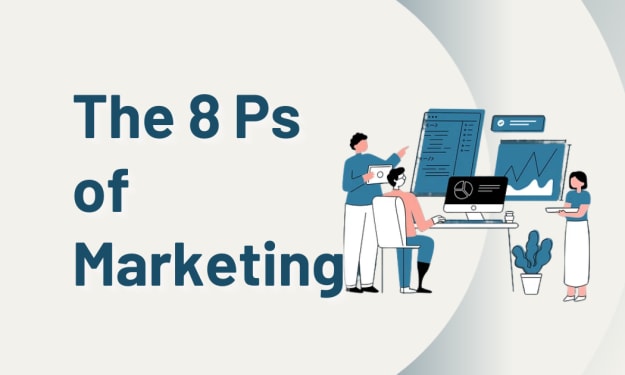
From Product to Process: Understanding the 8Ps of Marketing. AI-Generated.
Introduction to the 8Ps of Marketing The 8Ps of Marketing is a modern extension of the traditional 4Ps framework (Product, Price, Place, Promotion), which provides a more comprehensive approach to building successful marketing strategies. As markets evolve and consumer behavior becomes more dynamic, businesses must adopt a holistic view of marketing. The 8Ps framework addresses this need by incorporating additional elements critical for success in today’s competitive and interconnected world.
By Zameer Ahmed Shaikh2 years ago in Education