high school
High school made less stressful; a roundup of high school horror stories and tips on asking your date to prom, preparing for college and much more.
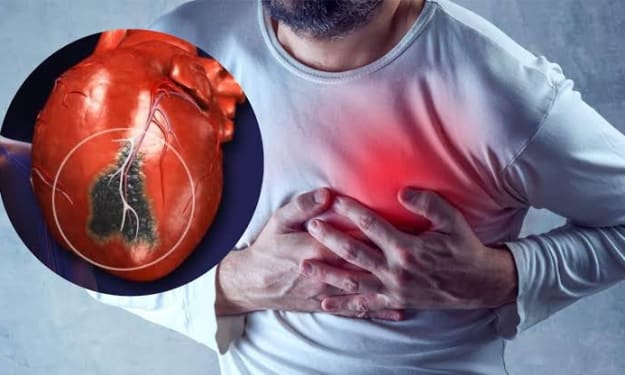
5 Body Pains You Should Never Ignore: Signs of a Heart Attack
When it comes to heart health, prompt action can mean the difference between life and death. Heart attacks often present with subtle signs, and understanding these early indicators can save lives. While chest pain is the most recognized symptom, a heart attack can manifest through other body pains that many people overlook. Here are five body pains that may indicate a heart attack and should never be ignored. 1. Chest Discomfort Beyond the Usual Chest pain or discomfort is the hallmark sign of a heart attack. However, not all chest pain feels the same. It may present as pressure, squeezing, fullness, or burning, often described as an "elephant sitting on the chest." This discomfort can last for more than a few minutes, disappear, and then return. It’s essential to note that not all heart attacks involve severe chest pain. If you experience any unusual sensations in your chest, especially during physical activity or stress, seek medical attention immediately. 2. Pain in the Arms, Shoulders, or Back Heart attack pain is not always localized to the chest. It can radiate to other areas, particularly the left arm, though sometimes both arms can be affected. The pain might feel like a dull ache, heaviness, or tingling. Shoulder and upper back pain, often mistaken for muscle strain, can also be a sign. Women, in particular, are more likely to experience back pain as a heart attack symptom. If you notice unexplained discomfort in these areas, especially if it’s persistent or accompanied by other symptoms, don’t delay in seeking help. 3. Jaw, Neck, or Throat Pain Pain that radiates to the jaw, neck, or throat may seem unrelated to the heart, but it can be a significant indicator of a heart attack. This type of discomfort often occurs suddenly and without an apparent cause. For some, it may feel like a tightness or a sharp ache, while others might experience it as a persistent dull pain. This symptom is more common in women and should raise a red flag when paired with other signs like chest discomfort, shortness of breath, or nausea. 4. Stomach Pain or Nausea Digestive issues such as nausea, indigestion, or stomach pain are easily dismissed as minor ailments. However, these symptoms can also indicate a heart attack, particularly in women. Heart-related stomach pain often feels like pressure or a burning sensation and may be mistaken for heartburn. If you experience sudden or unexplained stomach discomfort, especially alongside chest pain or other symptoms, consider it a potential warning sign. 5. Leg or Ankle Pain and Swelling Though less common, leg or ankle pain and swelling can signal heart trouble. This occurs due to fluid retention when the heart struggles to pump blood effectively. Swelling, particularly when accompanied by pain or tenderness in the legs, may also indicate a blood clot, which could lead to a heart attack if it travels to the heart. While not as direct a symptom as others, these signs are worth paying attention to if they develop suddenly or worsen over time. What to Do If You Notice These Signs Time is critical in the event of a heart attack. If you or someone else experiences any combination of these symptoms, especially with chest discomfort, shortness of breath, sweating, or lightheadedness, call emergency services immediately. Avoid driving yourself to the hospital, as the situation can worsen rapidly. Tips for Prevention Understanding the risk factors for heart disease is key to prevention. Here are some proactive steps to reduce your risk: Maintain a Healthy Diet: Focus on heart-friendly foods such as fruits, vegetables, whole grains, and lean proteins. Exercise Regularly: Aim for at least 150 minutes of moderate aerobic activity per week. Manage Stress: Practice relaxation techniques such as meditation, yoga, or deep breathing exercises. Quit Smoking: Smoking significantly increases your risk of heart disease and heart attacks. Regular Check-ups: Monitor your blood pressure, cholesterol levels, and overall heart health with regular doctor visits. The Bottom Line Heart attacks often come with warning signs that are easy to dismiss. Recognizing these subtle body pains and acting quickly can save lives. If you’re ever in doubt, it’s better to err on the side of caution and seek medical attention. Your heart is worth it.
By INFO INSIDER 2 years ago in Education
Best Courses to Study in New Zealand for Global Career Success
When considering higher education options, courses to study in New Zealand stand out due to the country’s world-renowned academic institutions and its focus on research and innovation. New Zealand offers a range of courses that are not only academically rigorous but also designed to equip students with the skills necessary for a successful global career. In this article, we will explore some of the best courses that you can pursue in New Zealand and how they can help you achieve career success.
By Rohit Sharma2 years ago in Education
Getting NVQ all Level Qualification in the UK
NVQ stands for the national vocational qualification. It is a work-based qualification in the UK and these courses aim to increase the knowledge and skills of learners. Also, these courses require to perform at certain levels.
By NVQ Assignments UK2 years ago in Education
Beyond the Classroom: Learning Life's Greatest Lessons
Lessons Beyond the Classroom: How Real-Life Experiences Shape Our Learning Have you ever learned something that no textbook could teach you? Something so impactful that it changed the way you see the world? Education is often associated with classrooms, lectures, and exams, but some of the most profound lessons in life come from outside those walls. Real-life experiences have a way of teaching us things we never knew we needed to learn.
By Angie green2 years ago in Education
Nursery Schools: Bridging Early Childhood Learning to Primary Education
The transition from nursery school to primary education is a crucial step in a child’s learning journey. Early childhood education plays an essential role in shaping a child’s academic future, and nursery schools are often the first place where children begin to experience structured learning outside of the home. As parents, understanding the importance of this foundational stage can help you make the best choices for your child's growth and development.
By William Henry2 years ago in Education