high school
High school made less stressful; a roundup of high school horror stories and tips on asking your date to prom, preparing for college and much more.
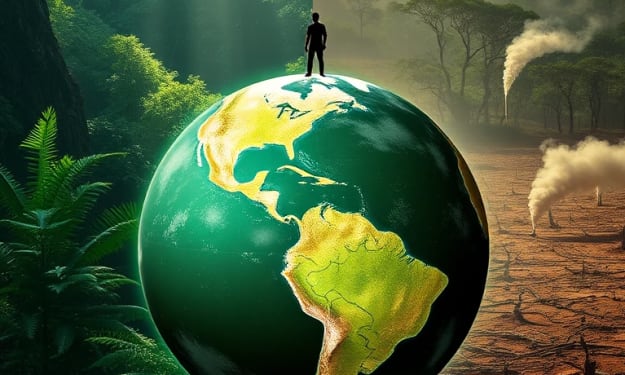
"Deforestation and the Future of the Amazon: A Wake-Up Call for Humanity"
Introduction The Amazon rainforest, sprawling across over 6.7 million square kilometers in nine South American countries, is the world’s largest tropical forest and a vital component of Earth’s ecological system. Often called the "lungs of the Earth," this vast forest produces about 20% of the planet’s oxygen and absorbs enormous amounts of carbon dioxide, helping regulate the global climate. Home to an estimated 10% of all known species and over 400 indigenous communities, the Amazon is a hotspot of biodiversity and cultural heritage. However, ongoing deforestation in the Amazon threatens to unravel this delicate balance, risking devastating consequences for local ecosystems and global climate alike.
By Shamshair Khan Hasan Zaiabout a year ago in Education
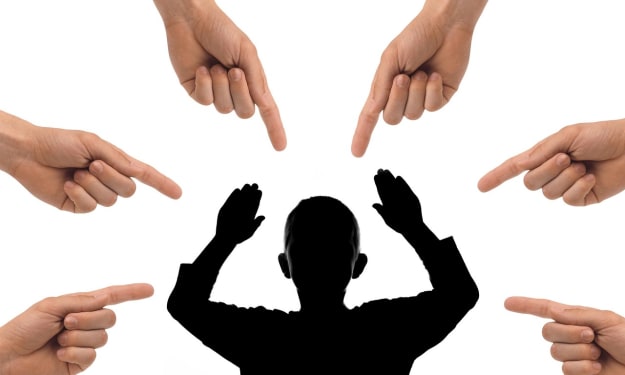
Think Twice Before You Believe What You Hear
Start writing...Think Twice Before You Believe What You Hear Why It's Important to Question Gossip and Be Kind Have you ever heard something bad about someone and later found out it wasn’t true? Maybe you believed it at first because it came from someone you trusted. But later, you discovered that the person spreading the news had their own issues with the person they were talking about. That’s what the saying “Be careful what you hear about somebody, you might be hearing it from the problem” is all about. This wise saying reminds us to be careful when listening to gossip or negative talk. Sometimes, the person sharing the story is not telling the full truth. They might be upset, jealous, or trying to make someone else look bad to feel better about themselves. If we accept what they say without thinking, we could end up judging someone unfairly—and that’s not right. The Real Danger of Gossip Gossip can spread like wildfire. One person says something, then another repeats it, and soon everyone believes it. But no one stops to ask: Where did this information come from? Is it even true? Most of the time, people don’t. They just go along with it because it’s easy or because they want to fit in. But words are powerful. Hurtful stories, even if they’re not true, can damage a person’s reputation. Friendships can break, people can feel isolated, and someone’s whole life can be affected by a lie or an exaggeration. That’s why it’s so important to think before you believe what you hear. Ask Yourself: Who’s Telling the Story? The next time you hear something negative about someone, pause and ask yourself a few questions: Do I know this person well? Do I trust the one sharing the story? Could they have a reason to make the other person look bad? Is it possible they’re leaving out important details? Sometimes, the person spreading the news might actually be the problem. Maybe they had a fight with the person they’re talking about, or they’re upset because they didn’t get their way. Instead of solving the problem in a healthy way, they choose to talk behind someone’s back. That’s not honest, and it’s definitely not kind. Try to See the Full Picture Instead of believing just one side, try to look at the full picture. Talk to others who know the person. If you feel comfortable, ask the person involved directly. You might learn that what you heard was only part of the story—or completely false. Also, imagine how you would feel if someone believed something bad about you that wasn’t true. You’d want people to come and ask you first, right? You’d want a fair chance to explain. So, let’s give that same respect to others. Choose Kindness Over Judgment It’s easy to judge someone when you only hear negative things about them. But what if they’re going through a tough time? What if they made a mistake and are trying to fix it? Everyone makes mistakes. What matters most is how we treat others while they’re learning and growing. When we choose kindness instead of judgment, we make the world a better place. We help people feel seen and heard, rather than torn down. Turn This Saying Inward Too This saying doesn’t just apply to how we treat others—it can also help us understand ourselves. Think about how you talk to yourself. Are you sometimes too hard on yourself? Do you listen to that little voice in your head that says, “You’re not good enough” or “You always mess things up”? That inner voice might be your own “problem.” It could be based on fear, past failures, or someone else’s hurtful words. Don’t believe everything it says. Challenge it. Replace it with kinder, more honest thoughts like, “I’m doing my best” or “I can learn and improve.” Build a Better World With Your Words Words can build people up or tear them down. The choice is ours. If we speak with care, listen with understanding, and think before we judge, we can help create a more respectful and caring world. So, the next time someone tells you something bad about another person, remember this: Be careful what you hear about somebody—you might be hearing it from the problem. Ask questions, be thoughtful, and always lead with kindness. That way, you’ll be part of the solution, not part of the problem.
By Qaseem Ahmadzaiabout a year ago in Education
The Human Heart of AI
The Human Spark Behind the Machine Artificial Intelligence (AI) often feels like a creation of pure code, a mysterious force conjured from algorithms and data. But at its core, AI is a profoundly human endeavor. Every neural network, every chatbot, every predictive model is the result of human curiosity, creativity, and persistence. This article explores the human side of AI—how it’s shaped by our dreams, our flaws, and our relentless drive to understand the world. Far from being a cold, autonomous system, AI is a reflection of humanity itself, a mirror held up to our collective ingenuity and ambition.
By Shohel Ranaabout a year ago in Education
The AI Revolution: Why You Must Adapt Now
Artificial intelligence (AI) has transitioned from science fiction to everyday reality. It’s writing news articles, designing logos, composing music, and even handling customer service. AI isn’t just coming—it’s here, and it’s learning faster than most of us. The uncomfortable truth? If you don’t adapt to this AI-driven world, you risk being sidelined in your career, creativity, and opportunities. Here’s why learning AI is no longer optional and how you can start today.
By Shohel Ranaabout a year ago in Education
AI’s Impact on Jobs: Threat or Opportunity?
The rise of artificial intelligence (AI) has sparked heated debates about its impact on the workforce. Will AI steal jobs, leaving millions unemployed? Or will it create new opportunities, boosting incomes and transforming how we work? The truth lies in a complex interplay of automation, innovation, and human adaptability. As AI reshapes industries, its effects on jobs and earnings depend on how society, businesses, and individuals respond. This article explores the dual nature of AI’s influence—its potential to disrupt and its capacity to empower—while offering a human perspective on navigating this transformative era.
By Shohel Ranaabout a year ago in Education
AI at Work
The future isn’t coming—it’s already here. Whether you’re writing emails, scrolling social media, or using voice assistants, Artificial Intelligence is silently working behind the scenes. But now it’s not just helping us with reminders or Google searches—it’s starting to do our jobs.
By Shohel Ranaabout a year ago in Education
The Lifelong Consequences of Child Mental Health: How Early Difficulties Affect Adult Productivity
A startling IPPR study has found disturbing links of childhood mental well-being to productivity in adulthood. Specifically, the IPPR report states that mentally challenged children in Britain are 68% more likely to have severe limitations on their productivity as adults. The report is based on the findings of the 1970 British Cohort Study and showcases an implanted lack of policy attention towards holistic strategies aimed at mitigating and managing mental health issues across the human cycle from gestation.
By Zahid Hussainjunhuaabout a year ago in Education
The Power of Being Alone
Start writing...The Power of Being Alone: Why Spending Time by Yourself Is a Good Thing Discover how alone time can help you grow, relax, and feel happier in your everyday life. In today’s busy world, we are always surrounded by people, noise, and constant connection through social media. Most people think being alone means something is wrong — like you're sad, lonely, or have no friends. But that’s not true at all. Being alone can actually be a very healthy and positive experience. It gives you the chance to learn more about yourself, relax, and become stronger mentally. Let’s explore why spending time alone can be a great thing and how you can make the most of it. Why Alone Time Matters Spending time alone is like giving your brain a break. It allows you to relax, recharge, and listen to your own thoughts without distractions. This quiet time helps you understand yourself better — what you like, how you feel, and what you want in life. When you're always with others, it's harder to hear your own voice. Alone time gives you space to think clearly, reflect on your emotions, and make better decisions. It also helps reduce stress and improves your ability to stay calm during tough times. Get to Know Yourself Being alone gives you the chance to explore your interests. You can try new hobbies, read about things that excite you, or even just sit and think. This kind of personal time helps you grow. It builds independence and teaches you to enjoy your own company. Whether it’s painting, reading, writing, or learning something new, these moments are powerful. You don’t need anyone else’s opinion or approval — it’s all about you. Boost Your Creativity When your mind is quiet and you’re not surrounded by others, you become more creative. Your thoughts have room to move around and come up with fresh ideas. Many great writers, artists, and thinkers say their best ideas come when they are alone. If you ever feel stuck or unsure, take some alone time. Go for a walk, sit in a quiet room, or just let your mind wander. You may be surprised at the ideas that come to you Recharge Your Social Battery Being around people all the time can wear you out, even if you love them. Alone time helps refill your energy. It makes social time more enjoyable because you’re coming from a place of rest, not exhaustion. After a little time alone, you’ll often find that you're more patient, open, and ready to connect with others in a healthy way. Build Confidence and Independence One of the best parts of spending time alone is learning to trust yourself. You stop needing constant approval or advice from others. You begin to feel confident in your own decisions. Alone time teaches you how to solve problems on your own and rely on your instincts. This helps you grow into a stronger, more self-assured person. Why It Can Be Hard Of course, being alone isn’t always easy — especially at first. Some people feel scared or sad when they’re by themselves. That’s normal. We live in a world that often tells us we need to always be busy and surrounded by others. Here are some common struggles: Lack of practice: If you're not used to it, alone time can feel strange or boring. Negative thoughts: Sometimes, being alone makes us face tough emotions. But writing in a journal, talking to a counselor, or simply breathing deeply can help. Social pressure: Some people may not understand why you want alone time. But remember, taking care of yourself is never selfish. Alone Doesn’t Mean Lonely There’s a big difference between being alone and being lonely. Being alone is a choice to spend time by yourself. Loneliness, on the other hand, is the feeling of being disconnected or unwanted. When you choose alone time for self-care and reflection, it can be a joyful and meaningful experience. Signs You Might Need Alone Time If you’re feeling: Stressed or overwhelmed Always comparing yourself to others Unsure about your decisions Emotionally drained …it might be time to take a break and spend some time alone. You’ll likely return feeling refreshed and more in control of your life. How to Enjoy Being Alone Not sure where to start? Try these simple tips: 1. Pick a Time That Works for You Choose a time when you have energy — maybe in the morning or evening. Be consistent and make it part of your routine. 2. Turn Off Social Media Silence your notifications. Step away from the screen. Even just 30 minutes offline can help clear your mind. 3. Plan Something Fun Take yourself on a solo trip, start a new project, or finally finish that book you started. Make the experience enjoyable. 4. Go for a Walk Nature is a great companion. A quiet walk through the park or along the beach can calm your mind and lift your mood. 5. Get Comfortable with the Silence At first, you might feel awkward. But keep trying. The more time you spend alone, the more peaceful it will feel. 6. Set Boundaries Let others know your alone time is important. It’s okay to say “no” to plans or to step away when you need space. Final Thoughts Spending time alone isn’t something to fear — it’s something to embrace. It helps you grow, relax, and feel more connected to who you truly are. Alone time makes you stronger, more creative, and better able to handle life’s ups and downs. So don’t feel bad about taking time for yourself. You deserve it. Happy solo moments!
By Qaseem Ahmadzaiabout a year ago in Education
How to Get Reliable Online Exam Help
The contemporary educational system now revolves mostly on online tests. Whether you are a professional seeking certification, a college student, or someone enrolling in online exams, you have probably felt pressure to be ready for and successful on virtual tests. Online tests are just becoming more and more popular as demand for educational flexibility rises. Though these tests provide ease, they also provide certain difficulties like technological problems, time limits, and the stress of solitude—just a few.
By Lucas Lednerabout a year ago in Education
A Nursing Dissertation Guide: Disparities in Healthcare
Composing a dissertation is crucial in higher education. It offers an in-depth learning of a theme or topic with a in-depth analysis. This is a hard task as it requires you to collect lots of data and present it in a clear form. Many students seek nursing dissertation help to submit high-quality work, which bring them excellent grades.
By John Smithabout a year ago in Education
Why Most Students Struggle with AutoCAD Assignments And How You Can Succeed
If you’re a college or university student pursuing engineering, architecture, interior design, or any field that demands technical drawing and designing, chances are you’ve already had your fair share of struggles with AutoCAD. From confusing commands to mind-bending 3D models, AutoCAD assignments can often feel like decoding a cryptic language. And you're not alone—many students find themselves stuck, overwhelmed, and frustrated when working on their AutoCAD tasks.
By Robert Smithabout a year ago in Education