high school
High school made less stressful; a roundup of high school horror stories and tips on asking your date to prom, preparing for college and much more.
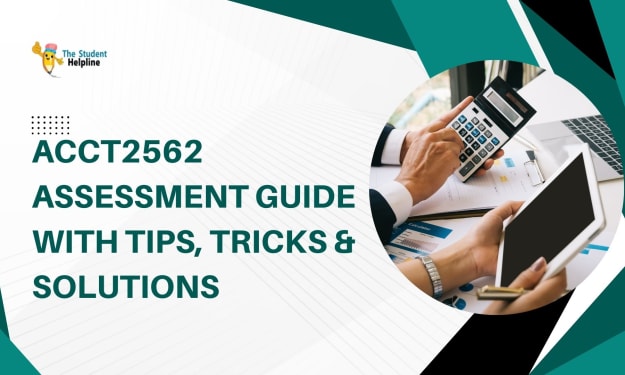
ACCT2562 Assessment Guide with Tips, Tricks & Solutions
For many students, ACCT2562 – Accounting Information Systems is one of the most crucial yet demanding courses in their university journey. It requires not only a deep understanding of accounting theories but also the ability to apply those concepts through information systems, data analytics, and internal control mechanisms.
By Shani Pandeyabout a year ago in Education
“Digital Traps: How Online Scams, Hacking, and Blackmail Destroy Lives—and How to Stay Safe” . AI-Generated.
Introduction: The Hidden Crime Scene in Our Pockets Once upon a time, people locked their doors and windows to protect themselves from thieves. Today, we carry the world in our pockets—smartphones filled with personal photos, bank accounts, and private conversations. But unlike traditional thieves, cybercriminals don’t need to break into your home. They sneak into your life silently, through fake apps, suspicious links, or even a simple friend request. These criminals are not just stealing money—they are stealing peace of mind, trust, and sometimes even the dignity of human beings. That is why every single person must learn how to protect herself (or himself) before becoming another victim. --- The Different Faces of Cybercrime Online crimes wear many faces. Understanding them is the first step to staying safe. 1. Hacking and Identity Theft Hackers break into your social media, email, or banking accounts. Once inside, they can impersonate you, scam your friends, or drain your money. Example: Someone logs into your Facebook, pretends to be you, and asks your friends for money. How to Save Yourself: Use strong, unique passwords. Turn on two-factor authentication (2FA). Never log in on public or shared devices without logging out. --- 2. Fake Apps and Malicious Software Criminals create apps that look harmless but are actually designed to steal your information. Once installed, they spy on your phone, steal contacts, and even record conversations. How to Save Yourself: Only download apps from official stores like Google Play or Apple App Store. Check reviews, ratings, and developer details before downloading. If an app asks for unnecessary permissions (like a calculator asking for your camera), don’t install it. --- 3. Social Media Traps and Fake Profiles Scammers create fake profiles pretending to be friends, models, or investors. They gain trust and later ask for money, personal details, or even private photos. How to Save Yourself: Don’t accept friend requests from strangers. Never share private details with people you meet online. Be cautious of “too good to be true” offers. --- 4. Phishing Emails and Links Emails or messages often look like they are from banks, delivery companies, or government offices. They tell you to click a link to “verify your account” or “claim your prize.” In reality, the link steals your login or banking details. How to Save Yourself: Always check the sender’s email address. Don’t click suspicious links. Instead, go directly to the official website. Remember: no bank or government office asks for passwords through email. --- 5. Online Blackmail and Sextortion This is one of the most destructive crimes. Hackers steal private photos, chats, or videos and threaten to leak them unless you pay. Victims often panic and give money—only to be blackmailed again. How to Save Yourself: Never share private or intimate content online. Once uploaded, it can be stolen. If you are threatened, don’t panic—report immediately to cybercrime authorities. Never pay blackmailers. Paying only makes them demand more. --- 6. Online Shopping and Investment Frauds Fake websites sell luxury goods at cheap prices. After you pay, either you get nothing or receive worthless items. Some sites even steal your card details. How to Save Yourself: Buy only from trusted and verified websites. Check for “https://” in the website address. Avoid deals that look too good to be true. --- Why Do People Fall Victim? Cybercriminals don’t just use technology—they use psychology. They know how to trick people’s emotions. Greed: Falling for “get rich quick” schemes. Fear: Believing fake threats like “Your account will be suspended.” Loneliness: Trusting strangers online for love or friendship. Ignorance: Not knowing how scams work. Understanding this is important. When you know how they think, you can protect yourself better. --- The Human Cost of Digital Crimes Cybercrimes are not just about stolen money. They break hearts, trust, and sometimes entire families. Victims often suffer from depression, anxiety, or shame. Some even hide the crime out of fear of judgment. That is why it is important not just to protect your money, but also your mental health and dignity. --- Step-by-Step Guide: How You Can Save Yourself from These Traps Now let’s look at practical methods every person can use daily to protect herself: 1. Strengthen Your Digital Walls Use different passwords for each account. Turn on two-factor authentication everywhere possible. Keep your devices updated. 2. Think Before You Click Don’t click unknown links in emails or social media. If a friend sends a suspicious message, confirm with them before replying. 3. Protect Your Privacy Avoid posting personal details like your location, salary, or private life publicly. Remember: once something is on the internet, it can never be fully erased. 4. Stay Alert About Money Never send money to strangers. If someone offers quick profit or double return on investment, it’s a scam. 5. Teach Children and Teenagers Children are easy targets. Talk to them about online safety. Monitor their devices, but more importantly—create trust so they can tell you if something happens. 6. Report and Speak Out If you are a victim, don’t stay silent. Report to the cybercrime helpline in your country. Save screenshots, chats, and evidence. --- Real-Life Warnings A young girl in Asia trusted a stranger online who later blackmailed her with stolen photos. Instead of hiding, she reported—and the criminal was caught. A man lost thousands of dollars after investing in a “crypto scheme” promoted on social media. He learned the hard way: never trust fast-money offers. A woman avoided blackmail by refusing to pay and reporting immediately. Today she educates others about online safety. These examples show that while victims suffer, courage and awareness can save lives. --- The Role of Society and Awareness No person is fully safe alone. That’s why society must work together: Schools should teach cyber safety as a subject. Communities should hold awareness sessions. Governments must strengthen cybercrime laws. Every person should share awareness with friends and family. --- Conclusion: Stay Alert, Stay Safe The internet is like a knife—it can be used to cook food or to harm. It is not evil by itself; it depends on how people use it. But when criminals misuse it, we must be stronger, smarter, and more alert. If you want to save yourself from hackers, scammers, and blackmailers, remember three golden rules: 1. Think before you click. 2. Protect your privacy. 3. Speak out if you are a victim. By staying aware and spreading knowledge, we can create a world where technology empowers people instead of destroying them. Your safety begins with awareness. Share it, live it, and protect yourself and others.
By Ihtisham Ulhaqabout a year ago in Education
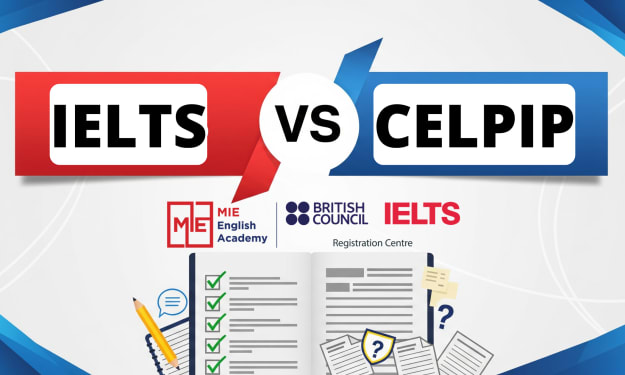
IELTS vs. CELPIP: Which Is Easier?
Choosing between IELTS and CELPIP is not a simple matter of finding the “easier” test. Both exams assess the same level of English proficiency and are officially accepted for Canadian immigration. They are also used for academic and professional purposes worldwide. The real question is which exam better matches a candidate’s strengths, test-taking style, and long-term goals. This IELTS vs. CELPIP article breaks down their key differences in format, content, and scoring to guide students and immigrants toward the right choice.
By MIE English Academyabout a year ago in Education
The Immortal Jellyfish: Nature’s Time Traveler
The Immortal Jellyfish: Nature’s Time Traveler Deep in the ocean, where countless creatures are born, live, and die, one tiny jellyfish has found a way to bend the rules of life itself. Turritopsis dohrnii, better known as the immortal jellyfish, has captured the imagination of scientists and nature lovers because of its ability to seemingly escape aging.
By Muzamil khanabout a year ago in Education
Afghan Genius; Learns A Language Every 2 Months
In the heart of Herat, one of Afghanistan’s most historic and poetic cities, lives a boy whose story is as extraordinary as it is inspiring. His name is Mohammad Amiri, and at just nine years old, he has stunned teachers, community leaders, and even government officials with his almost unbelievable gift. While most children spend years struggling to learn a single foreign language, Mohammad does something that seems closer to magic: he masters a new language in just two months.
By Keramatullah Wardakabout a year ago in Education
6 Things I Learned from Working with Teenagers Who Had Been Kicked Out of School
Working with teenagers who’ve been kicked out of school has been one of the most eye-opening experiences of my career. Society tends to think that if a teen is struggling, it’s automatically their fault—that they’re lazy, defiant, or just “bad kids.” But that couldn’t be further from the truth. Spending time with these young people has taught me six important lessons about schools, parents, and the teens themselves.
By No One’s Daughterabout a year ago in Education
Gut Flora: The Tiny “Second Brain” in Your Stomach That Controls Mood & Health
The Human Gut Microbiome: Our “Second Brain” The human gut is home to trillions of tiny organisms bacteria, viruses, fungi, and even archaea. Together, these microorganisms form the gut microbiome, a complex community that lives mainly in our intestines. Far from being just “passengers,” they play a vital role in keeping us healthy. Scientists even call the gut the “second brain” because it communicates closely with our nervous system, affecting not only digestion but also mood, memory, and overall well-being.
By Muzamil khanabout a year ago in Education
ACCT2562 Assessment Guide: Strategies to Excel in Your Coursework
Accounting coursework can often feel overwhelming, especially when it comes to detailed assessments like ACCT2562. Students pursuing this subject are expected to demonstrate not just technical skills in accounting but also analytical reasoning, problem-solving ability, and the capacity to apply theories to real-world business contexts. The ACCT2562 assessment plays a vital role in shaping your overall grades and developing core accounting competencies that future employers value.
By Shani Pandeyabout a year ago in Education
How Good Reading Habits Lead to Better Essays?
Sometimes, it may be a challenge to write essays. Many students seek a fast solution, which in most cases will be an essay typer of reliable website like Instant Assignment Help. But as a matter of fact, developing good reading habits is the best thing you can do in case you want to write a perfect essay. When you read regularly, you get new words, new concepts, and new expressions. The habit of reading regularly not only enables you to learn some facts but also assists you in a lot of ways.
By Carrie smithabout a year ago in Education
UK Business Management with a Foundation Year
Business Management is one of the most popular degree choices worldwide. Students often dream of studying in the UK, but some face challenges with direct entry requirements. A foundation year offers a practical solution, providing the skills and confidence needed to progress into a full degree.
By MIE Pathwaysabout a year ago in Education