degree
Degrees defined: PhD, Master, Bachelor, Associate–all about that expensive piece of paper called your degree.
How to Learn Anything Faster
In this fast-paced world, having the skill of learning rapidly can provide you a big advantage, whether you're a student, a professional, or just someone eager to acquire new knowledge. Fortunately, there are science-backed ways that can help you accelerate the learning process, guaranteeing that you can absorb complicated concepts and develop new skills more rapidly. Here's how to learn anything faster:
By Driss Lotfi2 years ago in Education
FDA Redefines 'Healthy': A Groundbreaking Update to Food Guidelines After 30 Years . Content Warning. AI-Generated.
FDA Redefines 'Healthy': A Groundbreaking Update to Food Guidelines After 30 Years The U.S. Food and Drug Administration (FDA) has recently announced a monumental shift in its definition of "healthy," marking the first significant update to its food labelling guidelines in 30 years. This historic move reflects evolving nutritional science, changing consumer priorities, and the urgent need to address global health challenges. The FDA's decision to redefine "healthy" is more than just a regulatory update; it’s a step towards empowering consumers to make better-informed dietary choices. A Three-Decade Wait: Why This Update Matters For decades, the definition of "healthy" on food labels was rooted in outdated nutritional standards established in the early 1990s. Back then, dietary fat was vilified, and foods low in fat but high in sugar were often labelled as "healthy." This misled countless consumers into believing that sugary cereals and fat-free desserts were beneficial for their wellbeing. With the FDA redefining "healthy," the new guidelines finally align with modern nutritional understanding, focusing on the overall nutrient profile rather than isolated components like fat content. The updated guidelines prioritise whole, nutrient-dense foods such as fruits, vegetables, lean proteins, and whole grains. By emphasising a balanced approach to nutrition, the FDA aims to combat rising rates of chronic illnesses like obesity, diabetes, and heart disease. The FDA redefining "healthy" isn’t just a semantic change; it’s a lifeline for public health. Key Changes in the New 'Healthy' Definition The FDA redefining "healthy" introduces stricter criteria for foods to qualify for the label. Unlike the old standards, which primarily focused on total fat content, the new definition considers a food's nutrient density. This means that to earn the "healthy" label, a product must contain a meaningful amount of nutrients like fibre, vitamins, and minerals while remaining low in added sugars, sodium, and unhealthy fats. For example, under the updated guidelines, foods such as avocados and salmon—once excluded due to their fat content—are now recognised as "healthy." Meanwhile, sugary granola bars and low-fat yoghurts loaded with artificial sweeteners no longer make the cut. The FDA redefining "healthy" encourages a shift away from overly processed products towards minimally processed, nutrient-rich options. Consumer Empowerment Through Clearer Labelling One of the most significant outcomes of the FDA redefining "healthy" is the potential to empower consumers. Clear, science-backed labelling will help individuals make more informed choices about what they eat. The new guidelines serve as a tool for education, enabling shoppers to discern between genuinely nutritious options and those masquerading as healthy. Food manufacturers are also expected to adapt, reformulating products to meet the updated criteria. This shift could lead to a broader availability of truly nutritious options on supermarket shelves. By redefining "healthy," the FDA is fostering a marketplace that prioritises consumer wellbeing over misleading marketing tactics. Impact on Public Health The FDA redefining "healthy" comes at a critical time. Chronic illnesses linked to poor dietary habits have reached epidemic proportions in many countries, including the UK. According to recent studies, unhealthy diets contribute to nearly 20% of global deaths each year. By aligning food labelling with the latest nutritional science, the FDA hopes to mitigate these alarming statistics. This change has the potential to reduce healthcare costs by encouraging preventative measures through better nutrition. When people have access to accurate information and healthier food options, they are more likely to adopt sustainable eating habits. The FDA redefining "healthy" represents a proactive approach to tackling the root causes of diet-related diseases. Sometimes, people face problems or get upset about things. This can happen for different reasons. Many people are happy that the FDA is changing what "healthy" means, but there are some problems with it too. Some people think the new rules might still be confusing, especially for processed foods that have the right nutrients but aren’t very balanced. Others worry that small food producers might find it hard to follow the new rules and could have a tough time because of it. Even though some people have said things about the FDA that aren't so nice, the FDA is still focused on being open and helping keep everyone healthy. They have said that they will keep talking to others to solve problems and make sure the new rules work well. The FDA, which is a group that helps make sure our food is safe and healthy, is changing what they think the word "healthy" means. This can affect how food companies label their products, which means it might change how we understand what foods are good for us. This could help people choose better foods to eat all around the world! The FDA, which is a big group that helps make sure our food is safe and healthy, is changing what the word "healthy" means. This change might affect how food is labeled not just in America, but in other countries too. Because the FDA is so important, other countries often look to them for guidance. For example, the UK is facing problems like more people being overweight and eating a lot of processed foods. What the FDA decides could encourage the UK to make changes to their own food rules. Big food companies that sell their products in both the US and the UK might change their foods to follow new rules from the FDA, which is a group that makes sure our food is safe and healthy. This could help people in the UK get better food. When the FDA decides what "healthy" means, it can make a big difference for everyone's health around the world. When we talk about how people can help make the world a better place, we mean how everyone can be part of new ideas and changes. When people decide to try new things, like using different kinds of products or being more careful with the environment, it helps everyone. By choosing to do things differently, like buying eco-friendly toys or recycling, we can all help make our world a nicer place to live! The FDA changing what "healthy" means is just one part of the bigger picture. For these new rules to really work, people need to get involved. That means they should look at food labels, learn about what’s good for them to eat, and choose health over easy options. To help everyone understand this better, we need programs and campaigns that teach people about healthy eating. Parents have an important job in helping kids learn to eat healthy food. By following the new guidelines from the FDA about what "healthy" means, families can build good habits that will keep them feeling good for a long time. Looking ahead: A healthier future The FDA is changing what the word "healthy" means, which is a big step toward making sure food labels really show how good the food is for you. This change moves away from old ideas and helps us understand health better. By raising the bar for what can be called "healthy," the FDA is encouraging food companies to focus on making better food instead of just trying to sell it with fancy tricks. This update is in line with what many people want today, which is to know more about where their food comes from and how it's made. As more people start to pay attention to what they eat, the FDA is changing what "healthy" means. This helps everyone make better choices about their food. A conclusion is like the last part of a story where everything wraps up nicely. It tells us what we learned or what we should remember. When we paraphrase, we take what someone else said and say it in our own words. So, if we put both ideas together, the conclusion is the final summary of what we've talked about, and paraphrasing is just sharing that summary in a way that's easier for us to understand. The FDA is changing what "healthy" means for food labels, which is a big deal! They want to think about how many good nutrients are in the food and how it helps us stay healthy.
By Gill mahindra 4198 wrtier2 years ago in Education
Clutter-Free Home: Do not make the house a warehouse of useless things
“Sumit's mother has turned her fridge into a garbage bin. Yesterday I stayed with Sumit at his house for combined study. In the evening I opened his fridge to get water and found that he had stored drinking water in old bottles of Pepsi and Coke. I felt like vomiting on seeing them. Dirty and yellow bottles. Aunty doesn't even know that these bottles also expire and it is dangerous to drink water after storing it in them. I then went out and bought water for myself.” Radhika was telling her friend Sakshi about Sumit's mother's ignorance.
By Prashant Sharma2 years ago in Education
Student Loans Explained: A Comprehensive Guide for Prospective Students
Embarking on a college education is an exciting yet daunting journey, especially when considering the financial implications. The rising cost of education has made it increasingly challenging for students and their families to afford tuition fees and other related expenses. Fortunately, student loans provide a viable solution, allowing students to pursue their educational goals without the immediate burden of financial constraints. This comprehensive guide will delve into the intricacies of student loans, helping you understand what they are, who they are for, and how to manage them effectively.
By John William2 years ago in Education
Unveiling Breakthroughs: Material Discovery And Optimization In Dunedin, New Zealand
By fusing state-of-the-art research, sustainable innovation, and teamwork to tackle some of the most important global issues, Dunedin, New Zealand, is becoming a leading hub for material discovery and optimization. Researchers and institutions at Dunedin are leading the way in the creation and improvement of materials that have the potential to completely transform industries, from sophisticated composites to environmentally friendly substitutes. The city's solid academic base, especially at the University of Otago, which encourages interdisciplinary approaches to solving challenging material-related challenges, is what is driving this expansion.
By elainpitts2 years ago in Education
From Console to Cloud: Cloud Gaming and Entertainment’s Future
The gaming industry has evolved significantly over the past few years, with hardware and accessories becoming much smaller and more innovative. Today, a new revolution is sweeping across the landscape: cloud gaming. With the use of cloud computing, gaming is going beyond the usual framework of hardware, reaching all-encompassing availability, elasticity, and immediacy. This shift in gameplay has significant impacts on the rest of the entertainment industry as well.
By shashankkumar2 years ago in Education
Remote Work Management: Strategies to Keep Teams Engaged and Productive
Introduction In 2024, remote work has become more than just a trend—it’s a long-term shift in how businesses operate. With advancements in technology and changes in employee expectations, remote work is here to stay. But how do you manage teams effectively when everyone is working from different locations? The key to success lies in understanding the unique challenges of remote work and applying strategic management practices to keep your teams engaged and productive. For those seeking guidance on how to approach management challenges, Management Assignment Help can offer valuable insights. Additionally, those looking for additional support in managing assignments related to remote work dynamics can explore Assignment Help services to enhance their understanding and approach.
By Daniel Brown2 years ago in Education
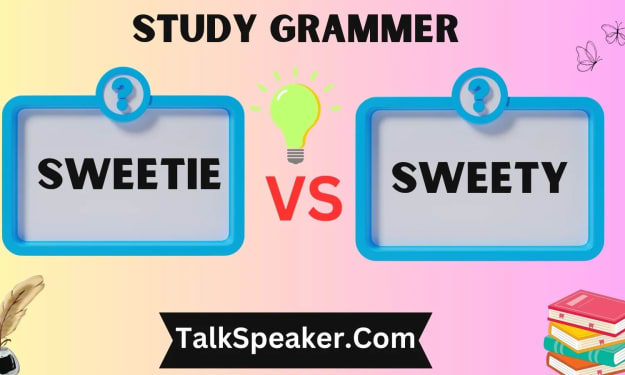
Sweety vs. Sweetie: What's the Difference and Which One Should You Use?
When it comes to terms of endearment, words like "Sweety" and "Sweetie" often pop up in conversations. But have you ever stopped to wonder: Is there a difference between the two? While they might seem interchangeable at first glance, these two words carry subtle distinctions in usage, tone, and even cultural perception. Let’s dive into the world of affectionate nicknames and unravel the mystery behind "Sweety Vs Sweetie."
By Talks Speaker2 years ago in Education
What Is The Difference B/W Sweety vs Sweetie
Sweety vs. Sweetie: What's the Difference and Which One Should You Use? When it comes to terms of endearment, words like "Sweety" and "Sweetie" often pop up in conversations. But have you ever stopped to wonder: Is there a difference between the two? While they might seem interchangeable at first glance, these two words carry subtle distinctions in usage, tone, and even cultural perception. Let’s dive into the world of affectionate nicknames and unravel the mystery behind "Sweety" and "Sweetie."
By Talks Speaker2 years ago in Education
Community Paramedicine: Bringing Healthcare to your Doorstep
Healthcare can be very essential to everybody; however, not everybody can easily secure the right medical care. To some, accessing a hospital or clinic would be difficult because they live far, have physical difficulties, or even lack the means to get there. Community paramedicine is a new and creative way to provide health help by bringing medical services to people's homes. This would be friendly to the patients and also reduce pressure on emergency rooms and hospitals, thereby raising the level of health for everyone.
By Maya Sonam2 years ago in Education