degree
Degrees defined: PhD, Master, Bachelor, Associate–all about that expensive piece of paper called your degree.
Tech’s Valuation Is Cracking: The NVIDIA Decline Signals a Reality Check
For years, Silicon Valley has pushed the tech envelope beyond reason, where tech stocks are valued less on fundamentals and more on collective optimism. NVIDIA’s stock correction on Jan 27th, 2025, losing nearly 20%, contributed to an incredible $580 billion loss in its market value just in hours. This isn’t just a correction; it’s the biggest market value drop in U.S. stock market in history (Bloomberg). And this may not be the last we see.
By Andrea Zanon2 years ago in Education
Secrets insights of a better mind brain and blissful life
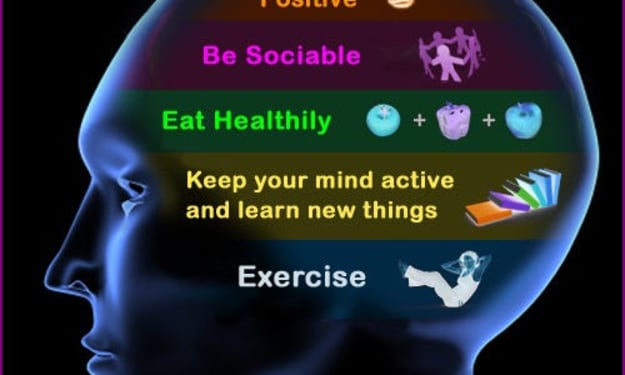
Privileged insights of a better brain and blissful life In our quick-moving world, accomplishing a better brain and a blissful life could appear to be a tricky dream. Nonetheless, with a couple of careful practices and a way of life transformation, developing mental prosperity and happiness is conceivable. Here are a few insider facts to help you on your excursion to a better psyche and a more cheerful life.
By EMMANUEL S JOHN2 years ago in Education
Ending the quite: raising emotional wellness and mindfulness
Ending the Quiet: Raising Emotional wellness Mindfulness https://shrinkme.ink/mindawareness As of late, the subject of emotional wellness has acquired critical consideration, revealing insight into a frequently neglected part of generally prosperity. Psychological wellness mindfulness is essential for cultivating figuring out, decreasing disgrace, and empowering individuals to look for help. By ending the quiet, we can make a more steady and sympathetic culture.
By EMMANUEL S JOHN2 years ago in Education
Mental Health in the Workplace: What Can Be Done
In today’s fast-paced and ever-changing work environment, mental health in the workplace has become a critical topic. As employees juggle personal and professional responsibilities, the pressure to meet deadlines, maintain productivity, and navigate workplace dynamics can take a toll on their mental well-being. Yet, despite the growing awareness of mental health issues, many workplaces still lack sufficient strategies to address these challenges effectively. Mental health problems such as anxiety, depression, and burnout can significantly affect an individual’s performance, relationships with colleagues, and overall job satisfaction. Fortunately, there are numerous ways employers and employees can work together to promote mental well-being in the workplace. In this article, we will explore the importance of mental health in the workplace and discuss practical steps that can be taken to support employees and foster a healthier work environment. ### The Importance of Mental Health in the Workplace Mental health is an integral aspect of overall well-being, influencing how we think, feel, and behave in our daily lives. When mental health issues arise, they can have far-reaching consequences, both for the individual experiencing the difficulties and the workplace as a whole. - **Impact on Employee Productivity**: Mental health problems can cause employees to struggle with focus, decision-making, and completing tasks, ultimately affecting productivity. According to the World Health Organization (WHO), depression and anxiety cost the global economy approximately $1 trillion per year in lost productivity. - **Impact on Employee Engagement**: When mental health is neglected, employees may feel disengaged, less motivated, and disconnected from their work. This lack of engagement can lead to increased absenteeism, lower job satisfaction, and higher turnover rates, which can ultimately affect the company’s bottom line. - **Impact on Work Relationships**: Mental health issues can also strain relationships with colleagues and managers. Employees struggling with mental health may withdraw from social interactions, exhibit irritability, or find it challenging to communicate effectively, which can contribute to workplace tension and reduce team collaboration. - **Impact on Long-Term Health**: Chronic stress and untreated mental health problems can lead to serious physical health issues, such as high blood pressure, cardiovascular diseases, and weakened immune systems. These long-term effects further increase the costs of healthcare and absenteeism for employers. Given these potential consequences, it’s essential to take proactive steps to support mental health in the workplace, not just for the benefit of individual employees but for the overall success of the organization. ### What Can Be Done to Improve Mental Health in the Workplace? #### 1. **Foster a Supportive Workplace Culture**
By Nora Ariana2 years ago in Education
The Power of God's Grace: Lessons from Genesis 6:5-8
The Wickedness of Man and the Grief of God In Genesis 6:5-8, we witness a deeply sorrowful moment in biblical history. Mankind had become so corrupt that every thought and intention of the human heart was continuously evil. God, in His holiness, was grieved, seeing the world He had created consumed by sin. This passage reminds us that sin separates us from God and brings about divine judgment. However, even in the midst of impending destruction, one man found favor in God's eyes—Noah.
By Masonwabe Nyanga2 years ago in Education
Caroline Kennedy: A Legacy of Triumph, Tragedy, and Speaking Out Against RFK Jr.. AI-Generated.
Caroline Kennedy, the only surviving child of former US President John F. Kennedy and Jacqueline Kennedy Onassis, has lived a life full of both privilege and heartbreak. At 67, she continues to captivate the world with her remarkable career and unwavering commitment to public service. But who is the woman behind the headlines? Let's dive into her extraordinary life, her family's legacy, and the controversy that surrounds her.
By Sithy work2 years ago in Education
How to Stay Fit After 40: A Guide to Maintaining Health and Vitality
Reaching the age of 40 can often feel like a turning point in life. Your career, family life, and personal achievements are likely in full swing, but so are the challenges that come with maintaining your physical health. As we age, our bodies naturally change, and staying fit may not come as easily as it did in our younger years. However, with the right mindset, habits, and approach, staying fit after 40 is not only possible but essential for long-term health and well-being. In this article, we will explore practical ways to stay fit after 40, covering everything from exercise to nutrition and lifestyle changes that can help you maintain vitality and strength as you navigate this exciting stage of life. ### Why Staying Fit After 40 Matters
By Nora Ariana2 years ago in Education
The Benefits of Meditation and How to Get Started
In today's fast-paced world, where demands and stressors are constantly vying for our attention, many people find themselves overwhelmed by the constant rush of life. Whether it's work pressures, personal challenges, or simply trying to keep up with the daily grind, stress has become a common part of life. However, there is an ancient practice that has been gaining more attention in recent years as an effective remedy to combat stress, improve mental health, and enhance overall well-being—meditation. Meditation, an ancient practice rooted in various spiritual traditions, offers a wealth of benefits for those who embrace it. From reducing stress to improving focus and cultivating a sense of inner peace, the power of meditation is becoming increasingly recognized in modern society. In this article, we will explore the numerous benefits of meditation and provide practical tips on how to get started on your own meditation journey. ### The Benefits of Meditation #### 1. **Stress Reduction** One of the most well-known benefits of meditation is its ability to reduce stress. Meditation allows you to take a break from the constant stream of thoughts, worries, and distractions, creating space for relaxation and calm. Studies have shown that regular meditation can lower cortisol levels—the hormone associated with stress—and activate the body's relaxation response, leading to a profound sense of tranquility. By focusing on the present moment and practicing mindfulness, meditation helps to break the cycle of anxiety and stress. Instead of dwelling on past regrets or worrying about the future, meditation encourages you to be fully engaged in the present, which can significantly reduce feelings of stress and overwhelm. #### 2. **Improved Mental Health** Meditation has been shown to have a positive impact on mental health, particularly in managing conditions such as anxiety and depression. Regular meditation practice can help calm the mind, reduce negative thinking patterns, and promote a sense of emotional balance. Research indicates that mindfulness meditation, in particular, can be as effective as therapy in treating symptoms of anxiety and depression. Furthermore, meditation encourages self-compassion and acceptance. This shift in mindset can help individuals develop a healthier relationship with their thoughts and emotions, reducing the likelihood of negative self-talk or rumination, which are often associated with mental health issues. #### 3. **Enhanced Focus and Concentration** In our hyper-connected world, distractions are everywhere. From social media notifications to constant multitasking, it can be challenging to maintain focus on a single task. Meditation, however, can help train the brain to improve focus and concentration. Mindfulness meditation, which involves paying attention to the present moment without judgment, has been found to increase activity in areas of the brain associated with attention and cognitive control. By regularly practicing meditation, individuals can enhance their ability to stay focused, improve memory retention, and be more productive throughout the day. #### 4. **Better Sleep** Sleep disturbances, including insomnia and poor-quality sleep, are common issues faced by many people. Meditation can be a powerful tool for improving sleep quality and promoting relaxation before bedtime. Meditation helps activate the parasympathetic nervous system, the part of the nervous system responsible for rest and relaxation. This can help to lower heart rate, reduce muscle tension, and prepare the body for restful sleep. Practices such as guided meditation or deep breathing exercises are particularly effective for calming the mind and body before sleep. By incorporating meditation into your nightly routine, you may find that you fall asleep faster and experience more restful, uninterrupted sleep. #### 5. **Increased Self-Awareness** Meditation provides an opportunity for self-reflection and introspection, which can lead to increased self-awareness. By taking time each day to sit quietly and observe your thoughts without judgment, you can gain valuable insights into your thought patterns, behaviors, and emotional responses. This heightened self-awareness can help you identify areas of your life that may need improvement, such as habits or thought patterns that are no longer serving you. By gaining a deeper understanding of yourself, you can make more informed decisions, set meaningful goals, and live a life that aligns with your values. #### 6. **Enhanced Emotional Health** In addition to improving mental health, meditation can also enhance emotional well-being. Meditation encourages mindfulness, which involves observing emotions as they arise without becoming attached to them. This practice allows you to experience emotions more fully while avoiding negative reactions or emotional outbursts. Over time, meditation can help you develop greater emotional resilience, enabling you to respond to challenging situations with a sense of calm and equanimity. By cultivating emotional awareness and mindfulness, you can better manage your emotions and navigate life's ups and downs with greater ease. #### 7. **Physical Health Benefits** While meditation is often associated with mental and emotional well-being, it also offers a variety of physical health benefits. Studies have shown that regular meditation can lower blood pressure, reduce symptoms of chronic pain, and boost the immune system. For example, mindfulness meditation has been linked to improved cardiovascular health by reducing blood pressure and improving heart rate variability. Meditation's ability to reduce stress and promote relaxation also plays a key role in improving overall physical health by decreasing inflammation and improving immune function. ### How to Get Started with Meditation If you're new to meditation, getting started may seem daunting at first. However, meditation is a simple practice that requires no special equipment or experience. Here are some practical tips to help you begin your meditation journey: #### 1. **Start Small** When you're first starting out, it's important to start small and gradually build up your practice. Begin with just a few minutes each day and gradually increase the duration as you become more comfortable. Even five to ten minutes of meditation can have a positive impact on your well-being. #### 2. **Find a Quiet Space** Choose a quiet and comfortable space where you won't be easily distracted. This could be a corner of your home, a park, or any other place where you feel at ease. The goal is to create an environment that promotes relaxation and focus. #### 3. **Focus on Your Breath** A simple and effective way to meditate is to focus on your breath. Sit comfortably, close your eyes, and pay attention to your breath as it enters and leaves your body. If your mind starts to wander, gently bring your attention back to your breath without judgment. This practice helps you stay present and cultivates mindfulness. #### 4. **Try Guided Meditation** If you're struggling to meditate on your own, guided meditation can be a helpful tool. Guided meditation involves listening to a teacher or recording that leads you through the meditation process. There are many apps and online resources that offer guided meditation sessions for beginners. #### 5. **Be Patient with Yourself** Meditation is a skill that takes time to develop. It's normal for your mind to wander, especially in the beginning. Be patient with yourself and don't be discouraged if you find it difficult to stay focused. With practice, you'll become more comfortable with the process, and the benefits will become more apparent over time. ### Conclusion Meditation is a powerful and accessible tool that can bring a wide range of benefits to your life. Whether you're seeking to reduce stress, improve mental health, enhance focus, or cultivate greater self-awareness, meditation offers a path to greater well-being. By starting with just a few minutes each day and being patient with the process, you can experience the transformative power of meditation and begin to enjoy a calmer, more centered life. Incorporating meditation into your daily routine can have profound effects on both your mental and physical health. The key is to start small, be consistent, and embrace the journey of self-discovery. Through regular practice, you can unlock the full potential of meditation and experience the deep peace and clarity that comes with it.
By Nora Ariana2 years ago in Education
Real Estate Investment: Is It Worth It
### Real Estate Investment: Is It Worth It? Real estate has long been considered a reliable and profitable investment vehicle. From the allure of rental income to the promise of capital appreciation, many people turn to real estate as a means to secure financial freedom and long-term wealth. However, just like any investment, real estate comes with its own set of risks and rewards. Before diving in, it’s crucial to understand the factors that make real estate a potentially lucrative venture, as well as the challenges that come with it. In this article, we will explore the benefits, risks, and considerations involved in real estate investment to help you determine whether it is worth it for you. ### The Benefits of Real Estate Investment 1. **Steady Cash Flow**
By Nora Ariana2 years ago in Education
Top 10 Assignment Writing Hacks You Need to Know in 2025
Assignment writing can be one of the most challenging aspects of student life. Whether you’re preparing for a research paper, essay, or case study, the pressure to submit high-quality work on time is often overwhelming. However, with the right strategies in place, you can dramatically improve both the quality of your work and your efficiency in completing assignments. If you’re looking to get ahead in 2025, these top 10 assignment writing hacks are essential to know.
By Rapid Assignment Help2 years ago in Education
Cancer and Gemini: Exploring Their Compatibility and Meaning
In astrology, the zodiac signs Cancer and Gemini are often seen as contrasting, yet their differences can also be the source of a unique and fulfilling relationship. Understanding the meaning behind both signs helps to uncover how they connect, what challenges they may face, and the ways in which they can complement each other. Let’s dive deeper into the meanings of Cancer and Gemini and explore how these two signs interact with one another. ### The Essence of Cancer
By Nora Ariana2 years ago in Education
Best Practices for Answering Questions Effectively on Bored Panda. AI-Generated.
One of the best ways to gain visibility and recognition on platforms like Bored Panda is by providing insightful, well-thought-out responses to questions. If you have an Ivory researcher profile on www.boredpanda.com, answering questions effectively not only boosts your credibility but also enhances your chances of getting featured. Here are some best practices for answering questions on Bored Panda, helping you stand out as a knowledgeable and helpful contributor.
By Ivory Researcher2 years ago in Education