college
Maximize your university experience with these tips for all things collegiate–how to achieve a perfect GPA, select the right major, finance your college education and more.
On the Wings of Dreams: An Inspirational Story
Ridayan always looked up at the sky and dreamed. Beyond this vast blue sky, he wondered how many unknown secrets were concealed! Every evening, he would go to the roof and count the stars and think that one day he would become a space scientist himself and unravel the mysteries of the universe. His dream was that one day he would build a rocket that would take him to Mars or even an unknown galaxy far, far away.
By Niranjon Chandra Royabout a year ago in Education
Study in Canada: A Pathway to Global Education and Career Success. AI-Generated.
Studying abroad is a dream for many Indian students, and Canada has emerged as one of the most popular choices. With its high academic standards, multicultural environment, and welcoming immigration policies, Canada offers much more than just a degree.
By Nikhilesh Anandabout a year ago in Education
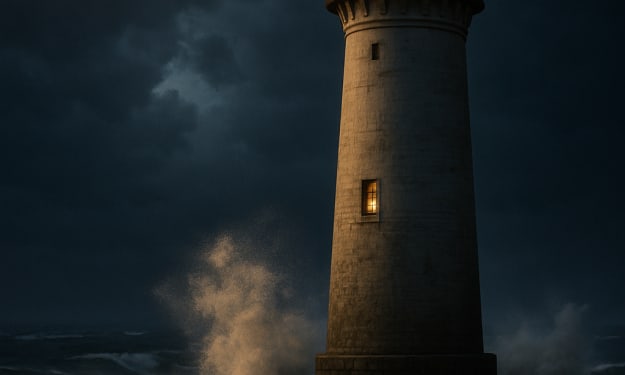
The Sentinel of the Shore
The Sentinel of the Shore: A Tribute to the Lighthouse In a world increasingly dominated by the fleeting glow of digital screens, there stands a symbol of enduring vigilance, a steadfast sentinel against the unforgiving might of the sea: the lighthouse. More than just a structure of brick and mortar, glass and light, a lighthouse embodies hope, guidance, and unwavering commitment. It is a silent guardian, a beacon of civilization at the treacherous edge of the unknown. --- A Guiding Light Through the Ages The concept of a guiding light for mariners is as old as seafaring itself. From ancient bonfires lit on headlands to the colossal Lighthouse of Alexandria, one of the Seven Wonders of the Ancient World, humans have sought to conquer the darkness of the sea. However, the modern lighthouse, as we know it, began to truly evolve with advancements in optics and engineering. By the 18th and 19th centuries, lighthouses became sophisticated structures, often built in perilous locations—on remote islands, rocky shoals, or treacherous cliffs. Each one was a testament to human ingenuity and perseverance. Engineers and builders battled relentless storms, powerful tides, and the sheer isolation of their chosen sites to erect these towers, ensuring a safe passage for ships laden with cargo and human lives. The life of a lighthouse keeper was one of immense dedication and solitude. These brave men and sometimes women, often accompanied only by their families, lived isolated lives, their days and nights dictated by the rhythmic flash of the lamp. Their primary duty was to maintain the light, cleaning the lenses, fueling the lamps (initially oil, then kerosene, and later electricity), and ensuring the complex clockwork mechanisms that rotated the beam operated flawlessly. They were the eyes and ears of the shore, observing weather patterns and sometimes even serving as emergency responders. Their vigilance was the thin line between life and death for countless sailors. --- The Anatomy of a Beacon A lighthouse is typically comprised of several key elements, each serving a vital purpose. The tower itself, varying in height and design, is engineered to withstand the harshest elements. Its robust construction, whether of stone, brick, or steel, speaks of defiance against nature’s fury. At the pinnacle of the tower resides the lantern room, a glass-enclosed space housing the light source and its intricate optical system. This system is the heart of the lighthouse, often featuring a powerful lamp coupled with a series of Fresnel lenses. These specially designed lenses, invented by Augustin-Jean Fresnel in the early 19th century, could concentrate and amplify the light, projecting a powerful, focused beam far out to sea. The unique flash pattern—a sequence of flashes and eclipses—served as a navigational signature, allowing mariners to identify their location. Below the lantern room, the watch room or service room provided a space for the keeper to monitor the light and weather conditions. Living quarters, if part of the tower, were usually located at the base or within the tower itself. --- More Than Just a Light: A Symbol Beyond their practical function, lighthouses have long held a powerful symbolic meaning. They represent: Hope and Safety: For a sailor lost in a storm or navigating treacherous waters, the sight of a lighthouse beam cutting through the darkness is a visceral promise of safety, a guiding hand leading them home. Vigilance and Dedication: The unwavering, rhythmic flash symbolizes constant watchfulness and the tireless efforts of those who dedicate their lives to protecting others. Solitude and Resilience: Standing alone against the vastness of the ocean, lighthouses are a testament to endurance, their stoic presence inspiring a sense of quiet strength. A Bridge Between Worlds: They mark the transition between the known land and the mysterious, often perilous, expanse of the sea. --- The Fading Glow in a Digital Age In the 21st century, the role of traditional lighthouses has evolved dramatically. With the advent of advanced navigation technologies like GPS (Global Positioning System), radar, and satellite communication, the need for human-operated lighthouses has significantly diminished. Many have been automated, their intricate mechanisms now controlled remotely. Some have been decommissioned entirely, while others have been preserved as historical landmarks, museums, or even unique holiday rentals. While their primary function may have been largely superseded by technology, the emotional and symbolic resonance of the lighthouse remains undiminished. They continue to capture our imagination, reminding us of a time when human courage and a simple, powerful light were the sole guardians against the ocean's unforgiving might. --- Final Tribute The lighthouse stands as a silent monument to human ingenuity, a beacon of hope against the darkness, and a timeless reminder that even in an age of blinding progress, there is an enduring beauty in the steadfast, guiding light. It reminds us that sometimes, the most profound comfort comes from a simple, unwavering presence, shining brightly through the darkest of nights.
By Noman Afridiabout a year ago in Education
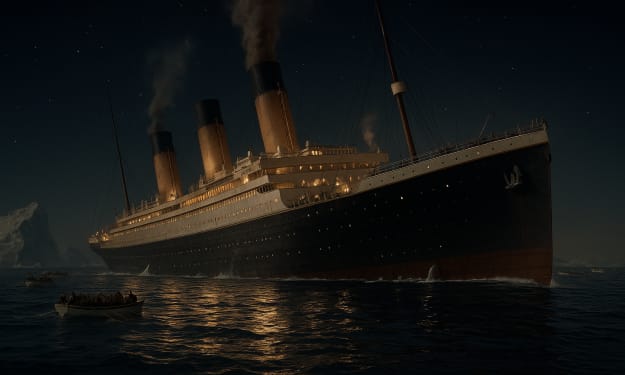
RMS Titanic: The Unsinkable Dream and Its Tragic End
RMS Titanic: The Unsinkable Dream and Its Tragic End — A Journey of Glory, Hubris, and Heartbreak The year was 1912, a time defined by industrial greatness and a firm belief in mankind’s unstoppable progress. At the peak of this golden era stood the RMS Titanic — an engineering marvel, a beacon of opulence, and a vessel deemed “unsinkable” by its creators. Built by Harland and Wolff and operated by the White Star Line, the Titanic represented not just a ship, but the culmination of ambition, technology, and dreams. A Giant Born of Steel and Dreams Stretching 882 feet long and weighing over 46,000 tons, the Titanic was awe-inspiring. Its three massive propellers, powered by colossal steam engines, were capable of cutting across the Atlantic with speed and grace. But beyond its mechanical prowess lay its unmatched interior. Designed to rival the finest hotels, the ship’s first-class section included a grand staircase, opulent dining halls, a pool, gym, and even a squash court. Each fixture and finish whispered extravagance. Yet, the Titanic wasn’t only for the elite. Thousands of second- and third-class passengers, many of them immigrants chasing the American dream, found comfort aboard this steel city at sea. It was a moving portrait of society itself — rich and poor, hopeful and weary — sailing towards a shared destiny. On April 10, 1912, the Titanic began its maiden voyage from Southampton, England, to New York City. Onboard were the wealthy, the prominent, the dreamers, and the hopeful. None could foresee that within days, the world would change forever. The Fatal Encounter: Ice and Hubris The voyage began without incident. The ship cut through calm seas, unbothered by the iceberg warnings sent by wireless operators along the Atlantic route. Overconfidence, schedule pressure, and belief in the ship's invincibility led to crucial missteps. Then, late at night on April 14, 1912, the unthinkable happened. Traveling at 22 knots, the crew spotted an iceberg dead ahead. Despite efforts to avoid it, the ship's starboard side scraped the ice, rupturing five of its watertight compartments. Though initially underestimated, the damage was fatal. The ship’s famed “unsinkable” design could withstand only four compromised compartments. A Night of Chaos and Courage As panic spread, Captain Edward Smith and designer Thomas Andrews acknowledged the grim reality — the Titanic was going down. Lifeboats for just over 1,100 people were not enough for the more than 2,200 onboard. The chaos that followed was both heartbreaking and heroic. Some lifeboats left half empty. The “women and children first” order was unevenly applied. Yet, there were moments of profound bravery. Musicians played on, calming the terrified. Officers and crew fought to save lives till the end. Captain Smith went down with his ship. At 2:20 AM on April 15, the Titanic broke in two and sank beneath the frigid waters. Over 1,500 lives were lost. The ocean, once a road to opportunity, became a grave. The Aftermath: Lessons and Legacy The world reeled. The Titanic’s sinking exposed humanity’s overconfidence in machines and underestimation of nature. But it also inspired sweeping change. The 1914 International Convention for the Safety of Life at Sea (SOLAS) revolutionized maritime safety: mandatory lifeboats, continuous radio watch, and ice patrols became standard. In 1985, Dr. Robert Ballard discovered the wreck, lying over 12,000 feet below the surface. Since then, the Titanic has been studied, memorialized, and respected — not just as a ship, but as a symbol. Today, the Titanic is more than a maritime disaster. It is a cultural touchstone — a haunting reminder of ambition, class divides, technological pride, and human fragility. Its tale lives on in books, films, and memories, ensuring that those lost are never forgotten. The “unsinkable” ship now eternally sails the tides of history.
By Noman Afridiabout a year ago in Education
Strategic Guidance from Expert Online Exam Consultancy Teams
Introduction In the current digitally focused educational era, virtual exams are now the order of the day. Global institutions and instructors are adopting virtual tests to improve accessibility and condense learning. But with convenience comes added pressure, tight time schedules, and a requirement for technical savvy. Most students, working professionals, and even adult learners end up getting help in preparation for or while actually sitting for these high-stakes tests.
By Lucas Lednerabout a year ago in Education
🌐 why freelancing is important for a student.. Content Warning. AI-Generated.
Freelancing is growing in popularity and is proving useful to students, not just as a means to make money but also as a way to gain practical experience, skill, and self-esteem. Here are the key benefits of freelancing for students:
By Yeasin hosen nerobabout a year ago in Education
Trading for Beginners: Your Essential Guide to Getting Started
Introduction In today’s fast-paced financial world, more and more individuals are turning to trading as a potential path to financial independence. With the rise of online platforms and mobile apps, trading has become more accessible than ever before. However, for beginners, stepping into the trading world can be both exciting and intimidating. Understanding the basics, managing risks, and developing a sound strategy are key components to becoming a successful trader. This article offers a comprehensive overview tailored specifically for beginners who are eager to learn the fundamentals of trading.
By Zabih hijranabout a year ago in Education
Best Private University in Raipur: 7 Courses That Make MATS Unique
When it comes to quality higher education in Chhattisgarh, the Best Private University in Raipur is a title that many institutions aspire to, but only a few can truly claim. Among these, MATS University stands out as a beacon of excellence and innovation. Known for its student-centric approach and industry-oriented curriculum, MATS University has carved a niche for itself in the educational landscape of Raipur. What truly sets MATS apart are the seven unique courses it offers that not only address contemporary industry needs but also empower students to achieve their career goals.
By Best Private University In Raipurabout a year ago in Education