
Suzume no Tojimari: A Road to Reconciliation and Healing
Suzume no Tojimari: A Road to Reconciliation and Healing
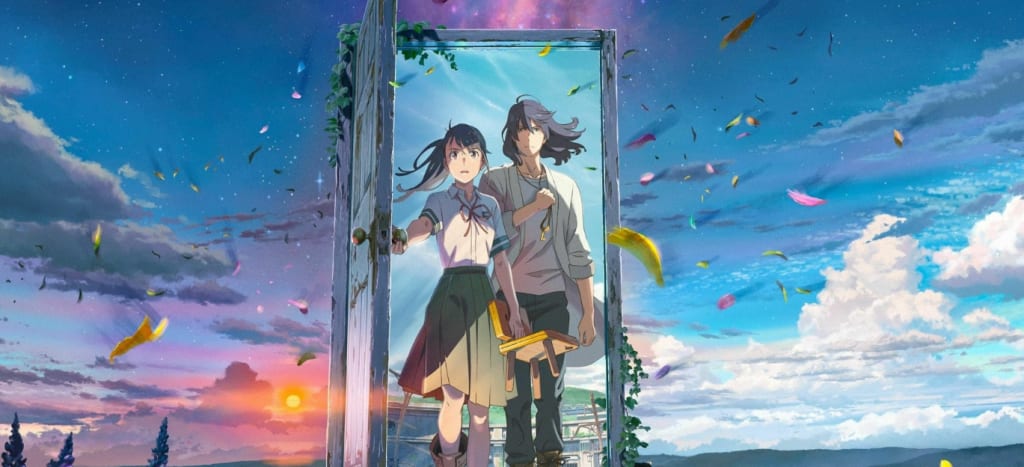
The stunning animated fantasy film Suzume no Tojimari () is directed by acclaimed Japanese filmmaker Makoto Shinkai and combines moving narrative with stunning visuals. Released in Japan in November 2022 and later internationally, the film follows the emotional journey of a teenage girl as she confronts personal loss, natural disaster, and the supernatural forces that bind them together. With themes of healing, memory, and resilience, Suzume no Tojimari is one of the most emotionally impactful anime films of recent years.
A Journey Begins in a Quiet Town
The story centers around Suzume Iwato, a 17-year-old high school student living in a rural town in Kyushu. One day, Suzume encounters a mysterious young man named Souta Munakata, who is searching for abandoned places across Japan. He is on a mission to locate and secure the enigmatic doors that are popping up all over the country. These doors lead to a different world, an alternate dimension, which, if left open, can bring about devastating natural disasters in the real world. Curious, Suzume follows Souta and unintentionally opens one of these doors herself. She becomes deeply involved in the supernatural mission to seal these doors and avert future catastrophes from this point forward. Her journey takes her across Japan, through abandoned buildings, forgotten places, and devastated areas—each with a door that needs closing and a story that needs remembering.
Symbolism and Themes
The literal and emotional theme of closure is at the center of Suzume no Tojimari. The act of locking the doors is a metaphor for facing past trauma and healing from loss. For Suzume, this journey is not just about preventing disasters, but also about confronting her own personal grief stemming from the loss of her mother during the 2011 Tōhoku earthquake and tsunami. The disaster, a real and painful memory for many in Japan, is a powerful backdrop for the story.
The film explores how people process grief differently. Since the tragedy, Suzume has lived with her aunt, whose relationship reflects the tension between gratitude and loss's unresolved emotional scars. Suzume learns that closure is an active, ongoing process and that healing takes time as she travels and meets others who have been impacted by various disasters. Characters and Emotional Depth
Suzume is a deeply relatable protagonist—curious, brave, but also vulnerable. The film's emotional weight is largely due to her character growth. Souta, the mysterious “Closer” of doors, also carries his own burdens. In a twist of fate, he is transformed into a small, three-legged chair—an object from Suzume’s childhood that holds sentimental value. Their growing bond throughout the film highlights themes of trust, connection, and emotional healing.
Supporting characters like Suzume’s aunt Tamaki and the strangers she meets along the way add further richness to the narrative. Each person she encounters helps her learn something new about herself, grief, and the importance of human connection in the face of hardship.
Animation and Music
Visually, Suzume no Tojimari is stunning. Makoto Shinkai’s trademark animation style is on full display—lush landscapes, intricate cityscapes, and ethereal dream-like sequences that blur the line between the real and the fantastical. The animation captures not just places, but feelings—quiet nostalgia, looming danger, and fleeting beauty.
The film's score, composed by RADWIMPS and Kazuma Jinnouchi, is both haunting and uplifting, perfectly complementing the film’s emotional highs and lows. The music deepens the emotional impact of key scenes, particularly during moments of reflection, loss, or resolution.
Reception and Impact
Suzume no Tojimari received widespread acclaim worldwide and became a box office smash in Japan upon its release. It received praise for its powerful grief and recovery exploration, visual artistry, and emotional storytelling. The film was selected as Japan’s official submission for Best International Feature Film at the 96th Academy Awards, cementing its place as one of the most important anime films of the decade.
The way Shinkai was able to combine a supernatural adventure with real-life trauma and emotional healing was admired by both critics and viewers. While comparisons were naturally drawn to his previous hits like Your Name and Weathering with You, Suzume no Tojimari stands on its own as a mature and powerful tale about growing up and letting go.
Conclusion
Suzume no Tojimari is more than a beautifully animated film—it is a heartfelt story about the importance of confronting the past, embracing the present, and finding closure in the face of loss. The journey that Suzume takes across Japan and into her own memories serves as a reminder to all of us that healing is not a destination but rather a journey that we all take. With its emotional depth, symbolic storytelling, and unforgettable visuals, Suzume no Tojimari is a cinematic experience that resonates deeply long after the credits roll.
About the Creator
Enjoyed the story? Support the Creator.
Subscribe for free to receive all their stories in your feed.
Comments
There are no comments for this story
Be the first to respond and start the conversation.