
Sustainable Growth: Building Resilient Real Estate in a Competitive Market
Redefining Success in Modern Real Estate

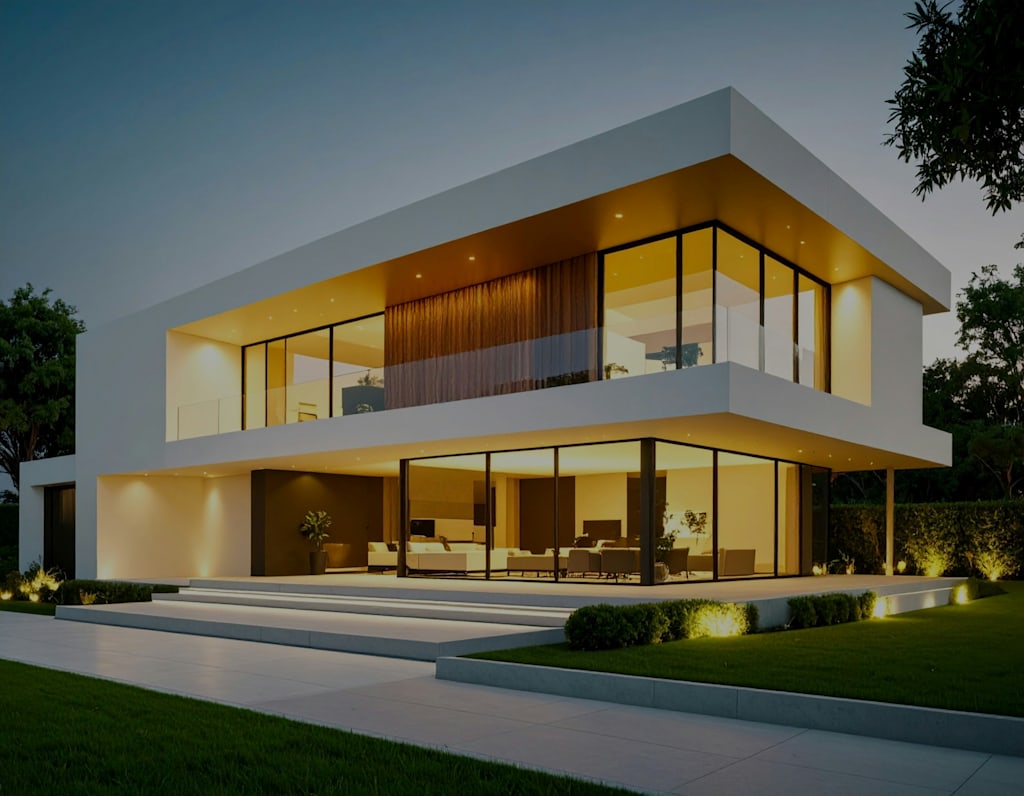
The real estate industry continues to evolve as market conditions shift and expectations rise. Developers, investors, and property managers now face increasing pressure to create assets that perform well financially while also meeting long-term sustainability goals. Success no longer depends solely on short-term returns. Instead, it requires a balanced approach that prioritizes resilience, efficiency, and adaptability.
Sustainable real estate growth focuses on building properties that can withstand economic fluctuations, environmental challenges, and changing tenant demands. By adopting this mindset, stakeholders can position themselves for consistent performance in a highly competitive market.
Competition in real estate has intensified due to rising demand, limited land availability, and shifting consumer preferences. Buyers and tenants now seek properties that offer more than location and price. They value energy efficiency, modern design, and long-term cost savings.
At the same time, regulatory requirements continue to evolve. Governments increasingly encourage or require sustainable practices, which influence how projects are planned and executed. Developers who anticipate these changes can gain a strategic advantage.
Recognizing these pressures allows real estate professionals to identify opportunities. Sustainable development not only meets market expectations but also enhances property value and attracts a broader range of investors and tenants.
Sustainability begins at the design stage. Thoughtful planning ensures that buildings operate efficiently from the moment they are completed. This includes optimizing natural light, improving insulation, and selecting materials that reduce environmental impact.
Designers and engineers must work closely to create spaces that balance aesthetics with performance. For example, incorporating green roofs or energy-efficient systems can lower operating costs while improving overall appeal. These features also contribute to a healthier environment for occupants.
By focusing on design early, developers can avoid costly modifications later and ensure that sustainability remains a core component of the project.
Energy efficiency plays a critical role in sustainable real estate. Buildings account for a significant share of energy consumption, making efficiency improvements both environmentally and financially beneficial.
Modern technologies, such as smart building systems, enable property managers to monitor and optimize energy use in real time. Automated lighting, climate control, and energy management systems help reduce waste and improve operational performance.
Tenants also benefit from these improvements. Lower utility costs and improved comfort make properties more attractive, which supports higher occupancy rates and long-term retention.
Resilience refers to a property’s ability to adapt to changing conditions. This includes economic shifts, environmental risks, and evolving market demands. Buildings that lack resilience may struggle to maintain value over time.
Developers can enhance resilience by selecting durable materials, designing flexible spaces, and planning for future upgrades. For instance, adaptable floor plans allow properties to meet different tenant needs without major renovations.
In addition, considering environmental factors, such as climate risks, can help protect investments. Properties designed to handle extreme weather or rising energy demands are more likely to maintain stability in uncertain conditions.
Sustainable real estate often delivers strong financial results. While initial costs may be higher, long-term savings and increased demand can offset these expenses. Energy-efficient systems reduce operating costs, while sustainable features attract environmentally conscious tenants.
Investors increasingly prioritize sustainability in their decision-making. Properties that meet environmental standards often achieve higher valuations and better financing opportunities. This trend highlights the growing connection between sustainability and profitability.
By aligning financial goals with sustainable practices, developers can create projects that perform well in both the short and long term.
Sustainable growth extends beyond individual buildings. It also involves creating communities that support well-being and connectivity. Real estate projects that include green spaces, walkable areas, and shared amenities contribute to a higher quality of life.
Engaging tenants in sustainability efforts can further enhance value. Encouraging energy-saving behaviors and promoting environmentally friendly practices fosters a sense of shared responsibility. This engagement strengthens tenant relationships and supports long-term occupancy.
Communities that prioritize sustainability often become more desirable, boosting demand and supporting property values.
The real estate market will continue to evolve as new technologies and societal changes emerge. Developers must remain flexible and open to innovation. Trends such as smart cities, renewable energy integration, and sustainable materials will shape the industry's future.
Staying informed about these developments allows professionals to adapt quickly and maintain a competitive edge. Continuous learning and investment in new solutions ensure that properties remain relevant in a changing landscape.
Sustainable growth in real estate requires a forward-thinking approach that balances financial performance with environmental responsibility. By integrating sustainability into design, improving energy efficiency, and building for resilience, developers can create properties that thrive in competitive markets.
As expectations continue to rise, those who embrace sustainable practices will lead the industry. Their projects will not only deliver strong returns but also contribute to a more stable and responsible future.
About the Creator
Brian Casella
Brian Casella is an event lighting designer and property owner who blends creativity with business across the Northeast through design and real estate work.
Portfolio: https://briancasella.com
Enjoyed the story? Support the Creator.
Subscribe for free to receive all their stories in your feed.
Comments