
Student Life Balance
Balancing Studies and Extracurricular Activities
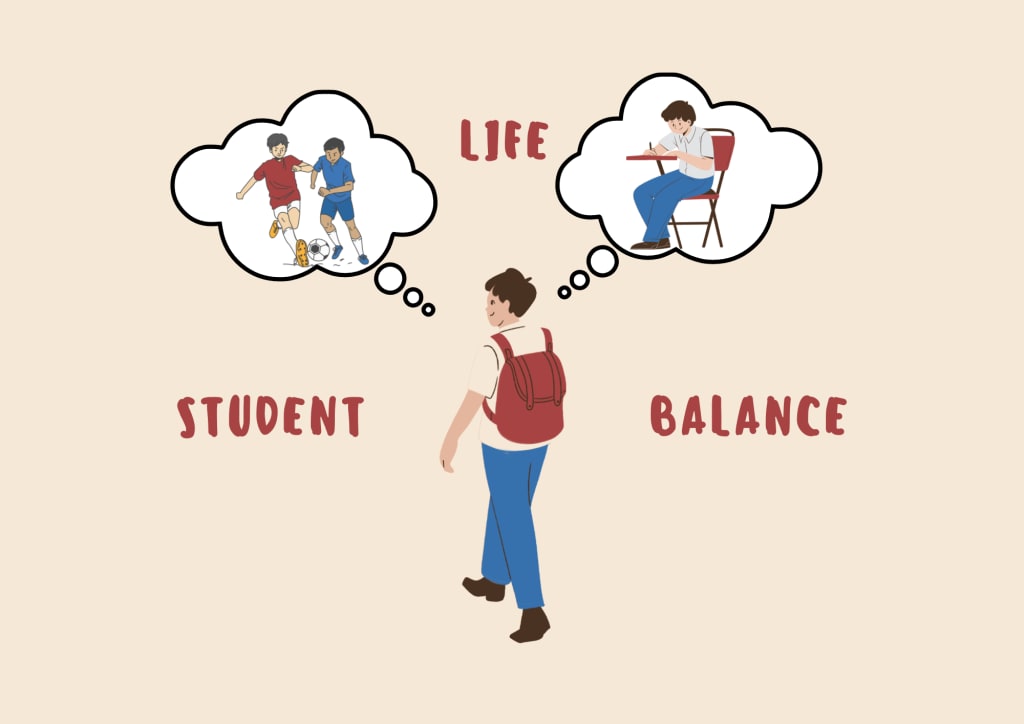
Achieving a harmonious student life balance is a common challenge for many students, especially in school. Balancing studies and extracurricular activities can seem daunting, but with proper planning and prioritization, it is entirely feasible.
This article explores practical strategies and tips to help students maintain a healthy student life balance while excelling both academically and in their chosen extracurricular pursuits. Read more at https://blog.edu123.in/student-life-balance-tips-to-ace-students-life/
Understanding the Importance of Student Life Balance
A well-rounded education extends beyond textbooks and exams. Extracurricular activities such as sports, music, drama, and community service play a crucial role in the holistic development of a student. These activities help in developing essential life skills such as teamwork, leadership, time management, and communication. Therefore, achieving a student life balance is essential for fostering overall growth and ensuring students can enjoy and benefit from all aspects of their school experience.
Setting Priorities and Goals
The first step in achieving student life balance is setting clear priorities and goals. Students should identify their academic and extracurricular commitments and rank them based on their importance and deadlines. For example, preparing for an upcoming exam might take precedence over a sports practice if the exam date is approaching. By setting specific, measurable, attainable, relevant, and time-bound (SMART) goals, students can focus on what is most important at any given time.
Creating a Balanced Schedule
Time management is a critical skill for maintaining student life balance. Students should create a weekly schedule that allocates time for both studies and extracurricular activities. A well-structured schedule can prevent overcommitment and ensure that neither academics nor extracurriculars are neglected. It is important to include time for relaxation and self-care to avoid burnout.
Here are some tips for creating an effective schedule:
- **Use a planner**: Whether it's a physical planner or a digital app, having a place to write down tasks and commitments can help keep track of everything.
- **Block out study times**: Dedicate specific times of the day to studying. Consistency helps in building a routine.
- **Schedule extracurriculars**: Include regular time slots for extracurricular activities, ensuring they don't clash with important study periods.
- **Prioritize tasks**: Focus on high-priority tasks first, and be flexible to adjust the schedule as needed.
Effective Study Techniques
To maintain a student life balance, students must adopt effective study techniques that maximize their learning efficiency. Here are some strategies to enhance study productivity:
- **Active learning**: Engage with the material through summarizing, questioning, and teaching others.
- **Pomodoro Technique**: Break study sessions into 25-minute intervals with short breaks in between. This helps maintain focus and prevent fatigue.
- **Eliminate distractions**: Find a quiet study environment and minimize interruptions from phones or social media.
- **Review and revise**: Regularly review notes and practice past papers to reinforce learning.
Choosing the Right Extracurricular Activities
Not all extracurricular activities demand the same level of time and commitment. To achieve a student life balance, students should carefully choose activities that align with their interests and availability. Here are some tips for selecting suitable extracurriculars:
- **Passion and interest**: Choose activities that genuinely interest you and bring joy, as these will be more fulfilling and less likely to feel burdensome.
- **Time commitment**: Be realistic about the time required for each activity and ensure it fits within your overall schedule.
- **Skill development**: Consider activities that help develop skills relevant to your personal and academic growth.
Seeking Support and Guidance
Maintaining a student life balance can be challenging, but students do not have to navigate it alone. Seeking support and guidance from teachers, parents, and mentors can provide valuable insights and assistance. Here are some ways to get support:
- **Talk to teachers**: Teachers can offer advice on managing academic workload and may provide extensions or accommodations if needed.
- **Parent involvement**: Parents can help students organize their schedules and provide emotional support during stressful times.
- **Peer support**: Friends and classmates can share their strategies for balancing studies and activities, offering mutual encouragement.
The Role of Schools in Promoting Student Life Balance
Schools play a pivotal role in promoting student life balance by creating an environment that supports both academic and extracurricular pursuits. Here are some ways schools can help:
- **Balanced curriculum**: Offering a balanced curriculum that integrates academic and extracurricular activities ensures students have opportunities for both.
- **Counseling services**: Providing access to counselors who can help students manage stress and balance their commitments.
- **Flexible scheduling**: Allowing flexibility in schedules to accommodate important extracurricular events or academic needs.
- **Encouraging participation**: Actively encouraging students to participate in extracurricular activities while emphasizing the importance of academics.
About the Creator
Enjoyed the story? Support the Creator.
Subscribe for free to receive all their stories in your feed.
Comments
There are no comments for this story
Be the first to respond and start the conversation.