
Student Life Abroad: What to Expect
Student Life Abroad
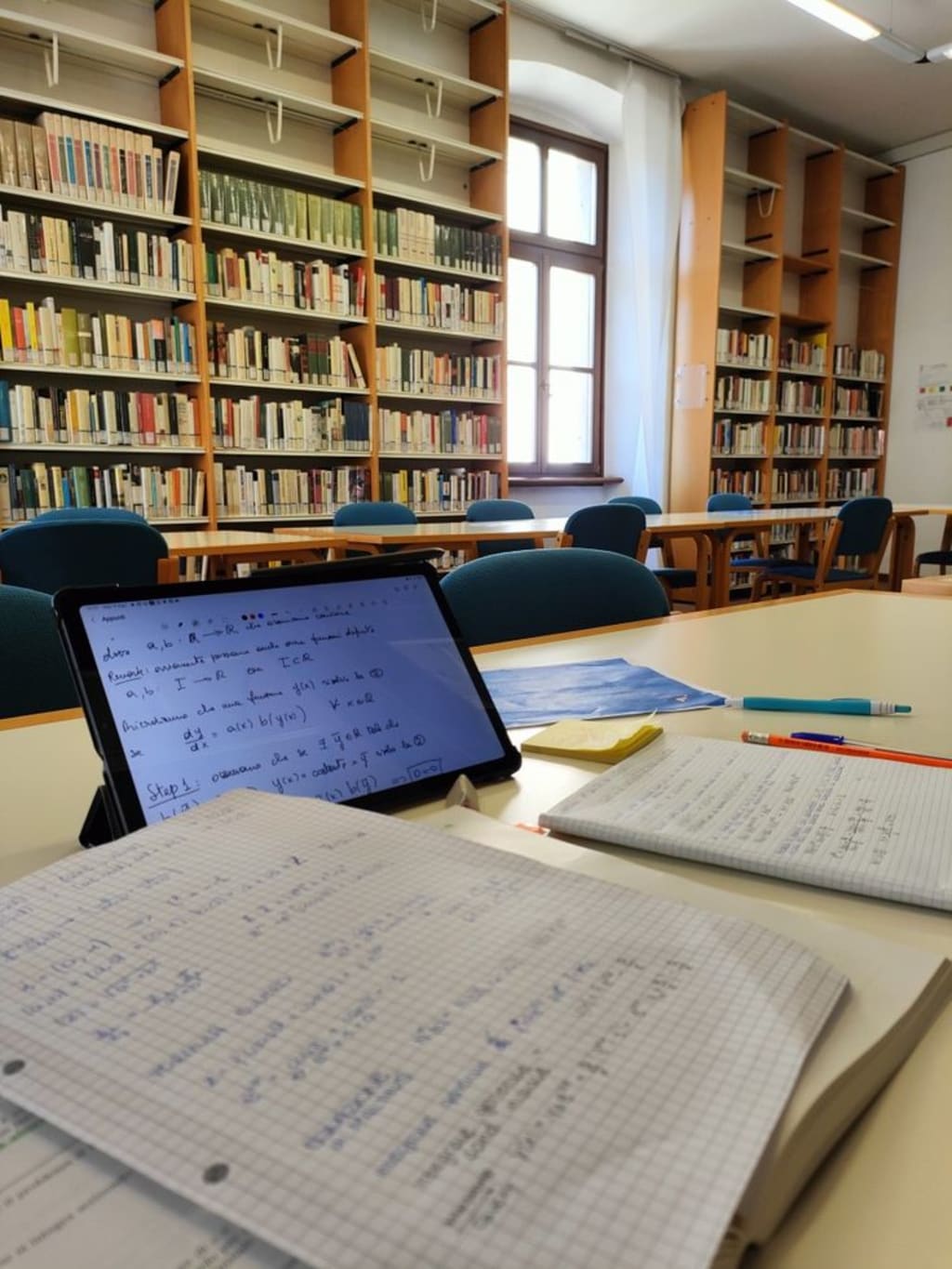
Studying abroad is a life-changing experience, full of excitement, challenges, and new perspectives. Beyond academics, it’s an opportunity to explore new cultures, make lifelong friends, and grow personally and professionally. Here’s an overview of what you can expect from student life abroad, along with tips to help you make the most of this journey.
1. Adjusting to a New Academic System
One of the first adjustments you’ll encounter is adapting to a new academic structure. Different countries have unique teaching styles, assessment methods, and grading systems.
Varied Teaching Styles: While some countries focus on lectures and exams, others may emphasize group discussions, presentations, or research projects. Embrace these differences, as they can enrich your learning experience and develop skills you may not acquire back home.
Self-Directed Learning: In many international institutions, students are expected to be independent learners, taking responsibility for managing assignments, projects, and deadlines. This style encourages critical thinking and self-discipline.
Seek Academic Support: Many universities offer tutoring, workshops, and other academic resources to help students succeed. Don’t hesitate to reach out if you need help with coursework or adapting to new academic expectations.
2. Navigating Cultural Differences
Living in a new country often means encountering cultural differences in daily interactions, social norms, and lifestyles.
Learn the Local Customs: Take time to understand the social norms and etiquette of your host country. Knowing how to greet others, dining etiquette, and even navigating public spaces will help you feel more comfortable.
Be Open-Minded: Embracing a new culture can be both exciting and challenging. Approach cultural differences with curiosity and respect, and be willing to adapt.
Cultural Shock: It’s normal to feel overwhelmed by cultural differences at first. Give yourself time to adjust, and don’t hesitate to talk to other international students who may be experiencing similar challenges.
3. Finding a Balance Between Studies and Social Life
While academics are important, studying abroad is also a time to socialize, explore, and create memories.
Join Clubs and Societies: Many universities offer clubs, societies, and extracurricular activities catering to different interests. Whether it’s a sports club, cultural group, or volunteering, joining these groups can help you meet like-minded people and enjoy a balanced lifestyle.
Travel and Explore: Make time to explore your host country and nearby regions. Traveling while studying abroad broadens your perspective and allows you to experience the local culture in different settings.
Build Friendships: Meeting people from around the world is one of the best parts of studying abroad. These friendships not only make your experience more enjoyable but also offer valuable perspectives on different cultures and worldviews.
4. Living Independently
For many students, studying abroad is the first time they’ll live independently, which can be both liberating and challenging.
Managing Finances: Learning to budget your expenses is essential. Keep track of your spending and find affordable ways to eat, travel, and enjoy your time abroad without overspending.
Cooking and Housekeeping: You may need to manage chores such as cooking, cleaning, and laundry on your own. Embrace this opportunity to develop life skills by learning simple recipes and organizing a cleaning routine.
Health and Wellness: Prioritize your physical and mental well-being. Many universities offer counseling services, gyms, and wellness resources. Take advantage of these to maintain a healthy balance between study, social life, and personal health.
5. Overcoming Language Barriers
If your host country speaks a different language, navigating daily life can be challenging but rewarding.
Learn Basic Phrases: Even if you’re not fluent, learning common phrases can make a big difference. Simple words like “please,” “thank you,” and “hello” show respect and can make locals more receptive to helping you.
Practice Regularly: If you’re studying in a foreign language, try to practice it in and outside of the classroom. This immersion will help you become more comfortable and improve your language skills.
Language Exchange Programs: Many universities offer language exchange programs where you can practice with native speakers. This is a great way to improve your skills and make local friends.
6. Career Opportunities and Professional Growth
Studying abroad is a chance to gain international experience and build skills that are attractive to employers.
Networking: Attend university events, career fairs, and seminars to network with professionals and explore internship or job opportunities. Building a professional network can open doors to future career opportunities.
Soft Skills Development: Living in a foreign country helps you develop important soft skills like adaptability, communication, problem-solving, and cultural sensitivity—qualities highly valued by employers.
Internships and Volunteering: If possible, pursue internships or volunteer work related to your field of study. This experience will give you practical exposure, boost your resume, and help you stand out in a competitive job market.
7. Navigating Homesickness and Emotional Challenges
Homesickness is a common experience for international students. Being away from family and friends can be tough, especially during holidays or challenging times.
Stay Connected with Loved Ones: Regularly connecting with friends and family through calls or messages can help alleviate homesickness. Keep them updated on your experiences; it will make you feel more connected.
Build a Support Network: Befriend other international students who are going through similar experiences. Having people who understand your situation can be comforting and reduce feelings of isolation.
Focus on Your Goals: Remember the reasons why you chose to study abroad and the goals you set for yourself. Staying motivated and focusing on the positives of this experience can help you overcome emotional challenges.
8. Adapting to Different Weather and Lifestyle Changes
Living in a new country may mean adapting to a different climate and lifestyle:
Prepare for Weather Conditions: Some students may experience extreme weather conditions for the first time. Make sure you have the right clothing and essentials to stay comfortable, whether it’s warm winter gear or sun protection.
Try Local Lifestyle Habits: Embrace local customs and lifestyle practices. Whether it’s adjusting to meal times, taking part in local hobbies, or learning new ways to get around, adapting to the local lifestyle can make your experience richer and more fulfilling.
Conclusion
Studying abroad is an enriching journey filled with both excitement and challenges. By being open-minded, managing your studies and social life, embracing cultural differences, and building resilience, you’ll be able to navigate student life abroad successfully. This unique experience offers countless opportunities for growth, learning, and personal development. Embrace each moment, stay curious, and make the most of your time abroad, creating memories and skills that will last a lifetime.
About the Creator
Enjoyed the story? Support the Creator.
Subscribe for free to receive all their stories in your feed.
Comments
There are no comments for this story
Be the first to respond and start the conversation.