
Strategic Leadership in Scaling Businesses
Building the mindset, systems, and structure that turn growth into sustainable success

Scaling a business is often seen as a sign of success, but it is also one of the most challenging phases in any organization’s journey. Growth introduces complexity, and complexity demands stronger leadership. Many companies do not fail because they lack opportunity, but because they are not prepared to manage expansion in a structured and sustainable way.
Strategic leadership becomes essential at this stage. It is not just about making decisions, but about creating clarity, aligning teams, and building systems that support long-term growth. Without it, businesses can grow quickly and collapse just as fast. With it, they can expand steadily while maintaining quality, culture, and direction.
This article explores how strategic leadership shapes successful scaling and what practical approaches leaders can use to guide their organizations through growth with confidence.
Setting a clear direction before expansion begins
Every successful scaling journey starts with a clear sense of direction. Leaders must define what growth actually means for their organization. Is it entering new markets, increasing product lines, or expanding customer reach?
Without clarity, teams can move in different directions, leading to confusion and wasted effort. Strategic leaders take time to align vision with execution. They ensure that everyone understands not only what the company is doing, but why it is doing it.
This clarity acts as a foundation. It helps teams make better decisions independently because they understand the larger goal guiding their actions.
Building systems that support consistent growth
As businesses grow, informal processes that worked in the early stages often become insufficient. What once worked with a small team can quickly break down under pressure.
Strong leadership focuses on building systems that can scale. This includes standardized workflows, clear communication channels, and defined responsibilities. Systems reduce dependency on individuals and create consistency across the organization.
For example, a growing service company may introduce structured onboarding processes for new employees. This ensures that quality remains consistent even as the team expands rapidly.
Systems are not about restricting creativity. Instead, they create a stable foundation that allows creativity and innovation to thrive without causing operational confusion.
Strengthening decision-making at every level
In smaller businesses, decisions are often centralized. As companies grow, this approach becomes a bottleneck. Strategic leadership involves distributing decision-making authority while maintaining alignment with overall goals.
This requires trust and clear guidelines. Leaders must empower teams to make decisions within defined boundaries. When employees understand expectations and values, they can act confidently without waiting for constant approval.
A well-structured organization encourages faster responses to challenges and opportunities. This agility is essential during scaling, where market conditions and internal demands can change quickly.
Maintaining culture during rapid expansion
One of the most overlooked challenges in scaling is preserving company culture. As new employees join and operations expand, the organization's original values can be diluted if not actively maintained.
Strategic leaders treat culture as a core business asset. They communicate values consistently, lead by example, and ensure hiring practices align with organizational principles.
For instance, a company that values customer service must ensure that every new team member understands what that looks like in practice, not just in theory. Culture is reinforced through behavior, not just statements.
A strong culture creates unity, especially during periods of rapid change. It helps teams stay connected to the organization’s purpose.
Managing communication across growing teams
As organizations expand, communication becomes more complex. Information can easily get lost or misunderstood if systems are not in place to support clarity.
Strategic leadership focuses on creating structured communication flows. This may include regular team meetings, documented updates, and transparent reporting systems.
The goal is not to increase communication volume, but to improve communication quality. Clear messaging reduces confusion and ensures that teams stay aligned with priorities.
In fast-growing businesses, even small communication gaps can lead to delays or errors. Strong leaders anticipate this and build systems that keep everyone informed and connected.
Balancing growth with operational stability
Rapid growth can put pressure on existing resources, processes, and people. Without careful management, it can lead to burnout, declining quality, or operational breakdowns.
Strategic leaders understand the importance of balance. They do not pursue growth at the expense of stability. Instead, they pace expansion in a way that allows systems and teams to adapt.
This might involve hiring gradually, improving infrastructure before expanding further, or focusing on one market before entering another. The goal is sustainable progress rather than uncontrolled expansion.
A balanced approach ensures that growth strengthens the business rather than weakens it.
Developing leadership depth within the organization
As businesses scale, leadership cannot remain concentrated at the top. Strong organizations develop leadership at multiple levels.
This means training managers, empowering team leads, and creating opportunities for employees to grow into leadership roles. Strategic leaders invest in people development as a long-term priority.
When leadership is distributed effectively, organizations become more resilient. Decisions can be made faster, problems are solved closer to their source, and innovation becomes more widespread.
Leadership depth also ensures continuity. The business does not depend on a single individual to function effectively.
Adapting strategy based on real-world feedback
No growth strategy is perfect from the start. Successful leaders understand the importance of feedback and adaptability. As businesses scale, new challenges emerge that require adjustments in approach.
Strategic leadership involves listening to employees, customers, and operational data. These insights help refine processes and improve decision-making over time.
Flexibility is not a sign of weakness. It is a sign of maturity in leadership. The ability to adjust strategy while maintaining direction is what allows businesses to stay competitive in changing environments.
Strategic leadership is the foundation of successful business scaling. It goes beyond planning and enters the realm of execution, culture, communication, and adaptability. Growth alone does not guarantee success. It is how that growth is managed that determines long-term outcomes.
By setting clear direction, building strong systems, empowering teams, and maintaining cultural integrity, leaders can guide their organizations through expansion with confidence. When leadership is intentional and structured, scaling becomes not just a phase of growth, but a pathway to lasting stability and success.
About the Creator
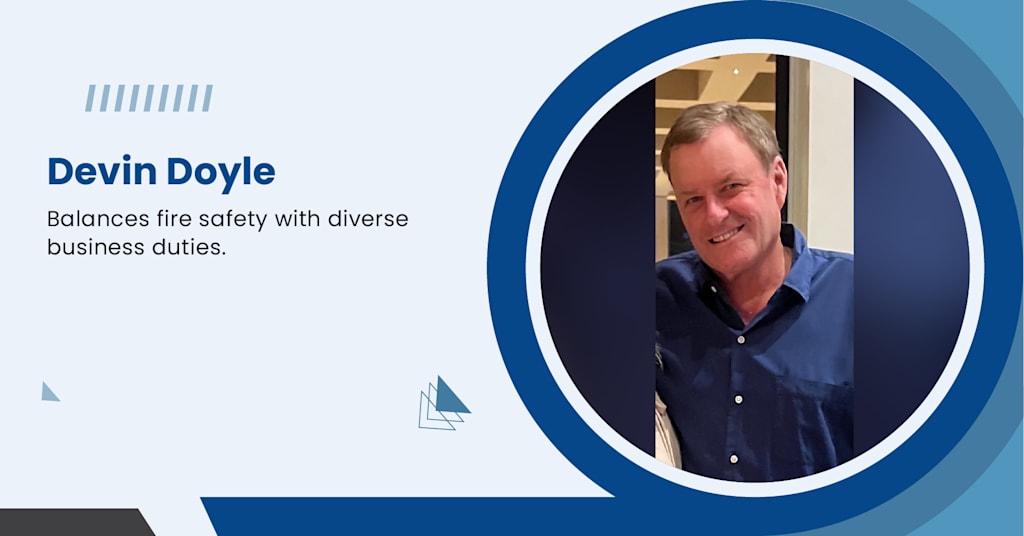
Devin Doyle of Newport Beach
Devin Doyle of Newport Beach has spent over thirty years building a successful career in the business world. After graduating from Menlo College in 1984 with a degree in business.
Portfolio: https://devindoylenewportbeach.com
Enjoyed the story? Support the Creator.
Subscribe for free to receive all their stories in your feed.
Comments