
Stiff Person Syndrome: The Strange Symptoms That Could Turn Your Life Upside Down
Strange Symptoms That Baffle Doctors
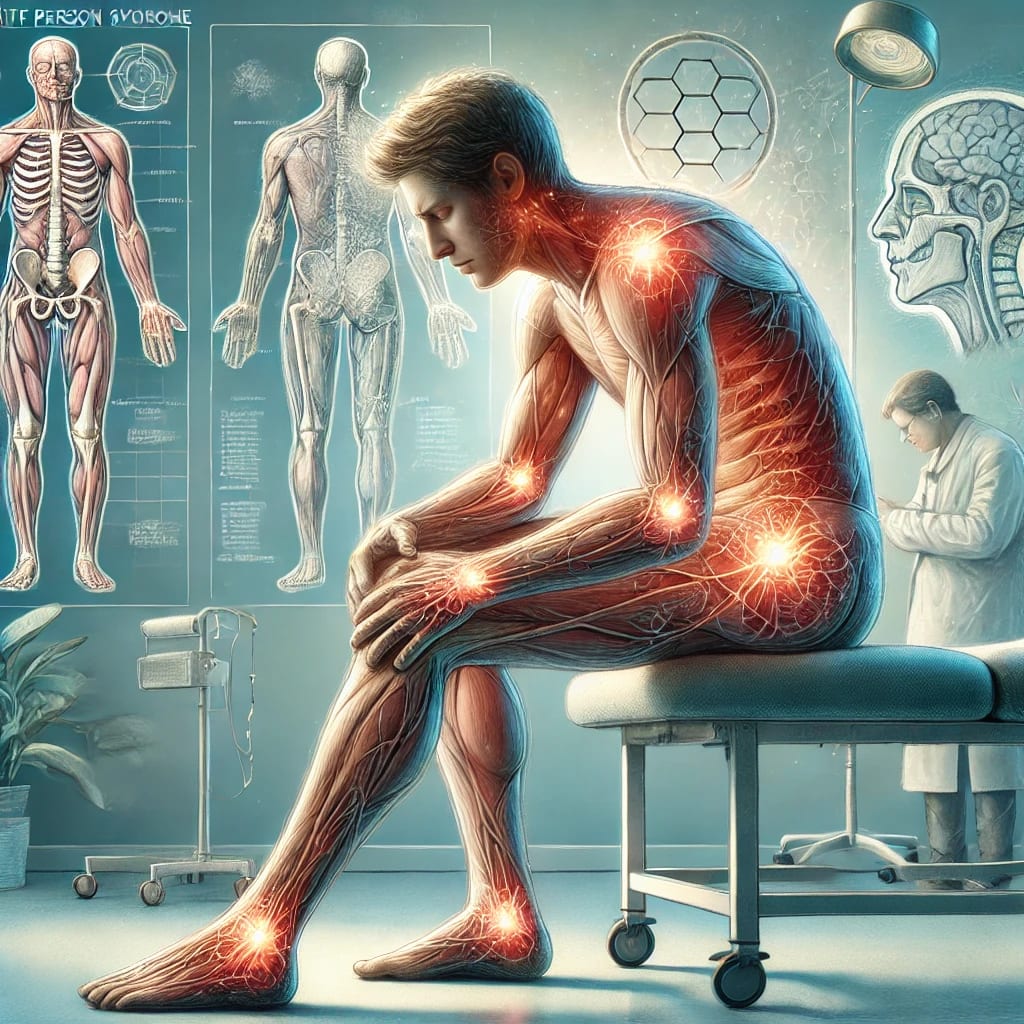
Stiff Person Syndrome: The Strange Symptoms That Could Turn Your Life Upside Down
Introduction: Strange Symptoms That Baffle Doctors
Have you ever felt that your body isn’t responding as it should? You might wake up one day unable to move normally, or find that your muscles inexplicably stiffen at the sound of loud noises or exposure to bright lights. These symptoms aren’t just a fleeting issue; they may indicate a rare disease known as Stiff Person Syndrome (SPS).
What is Stiff Person Syndrome?
Stiff Person Syndrome is a rare condition that affects the central nervous system, causing the body’s muscles to stiffen and undergo painful spasms, making movement extremely difficult. This syndrome is marked by irregular muscle stiffness and frequent muscle spasms due to abnormal nerve stimulation.
Real Case: Janet’s Story with Stiff Person Syndrome
Janet, a woman in her forties, led a normal life until she started experiencing unusual muscle stiffness in her legs. At first, she thought it was just fatigue, but her symptoms worsened, leaving her unable to walk even short distances without experiencing severe stiffness. After visiting several doctors and undergoing numerous tests, she was diagnosed with Stiff Person Syndrome. Janet shares, "The pain was unbearable; even hearing a loud noise would make my body involuntarily spasm."
The Strange Symptoms: What Makes This Syndrome Unique?
Some of the unusual symptoms associated with Stiff Person Syndrome include:
Persistent Muscle Stiffness and Spasms: Muscle spasms occur suddenly and are painful, sometimes triggered by simple stimuli like movement or loud noises.
Hypersensitivity to Sound and Light: Patients with this syndrome experience abnormal stimulation when exposed to sounds or light, leading to severe spasms.
Unusual Physical Symptoms: Patients may feel as if their limbs are “stuck” or “trapped” within their bodies, making it hard to control movement.
Psychological Disorders: Anxiety and stress increase with the severity of symptoms, further affecting the mental health of patients.
Causes of the Disease: What Does Medicine Say?
The exact cause of the disease remains unclear, but research suggests it’s related to an immune system malfunction, where the body attacks its healthy nerve cells, causing these strange symptoms. Studies show that 70% of patients have antibodies against the GAD protein, an enzyme linked to nervous system functions.
When to See a Doctor?
If you notice any of the following symptoms, you should see a doctor immediately:
Persistent or unexplained muscle stiffness.
Painful, sudden muscle spasms.
Increased sensitivity to noise or light.
Loss of movement control or sudden falls.
Diagnosing Stiff Person Syndrome can be delayed as its symptoms resemble other conditions like multiple sclerosis or psychological disorders. Therefore, it’s crucial to consult a specialist in neurological diseases to determine the actual cause.
How to Manage the Symptoms?
Although there is no definitive cure for the disease, some methods can help alleviate symptoms and improve quality of life:
1. Antispasmodic Medications: Drugs like benzodiazepines help reduce muscle spasms and improve movement.
2. Immunosuppressive Therapy: Steroids or intravenous immunoglobulin can reduce immune response and relieve symptoms.
3. Physical Therapy: Physical therapy programs focused on strengthening muscles and improving flexibility aid in managing muscle stiffness.
4. Psychological Therapy: To support patients dealing with psychological symptoms like anxiety or depression caused by the disease.
5. Avoiding Triggers: Avoid loud noises or bright lights that may trigger spasms.
Conclusion: Awareness is the First Step
Awareness of the symptoms of Stiff Person Syndrome is crucial, as early diagnosis can significantly improve quality of life. Unusual symptoms should not be ignored, and patients should seek medical help if they notice any strange physical changes. With ongoing medical research, we hope to gain a better understanding of this rare syndrome and discover more effective ways to treat it.
---
Sources:
1. National Institutes of Health (NIH) - Information on Stiff Person Syndrome [https://www.nih.gov].
2. Mayo Clinic - Guide to Neurological and Immune Diseases [https://www.mayoclinic.org].
About the Creator
Enjoyed the story? Support the Creator.
Subscribe for free to receive all their stories in your feed.
Comments
There are no comments for this story
Be the first to respond and start the conversation.