
Spinal Osteoarthritis Treatment: Causes, Symptoms, and Treatment Options
Spinal Osteoarthritis Treatment

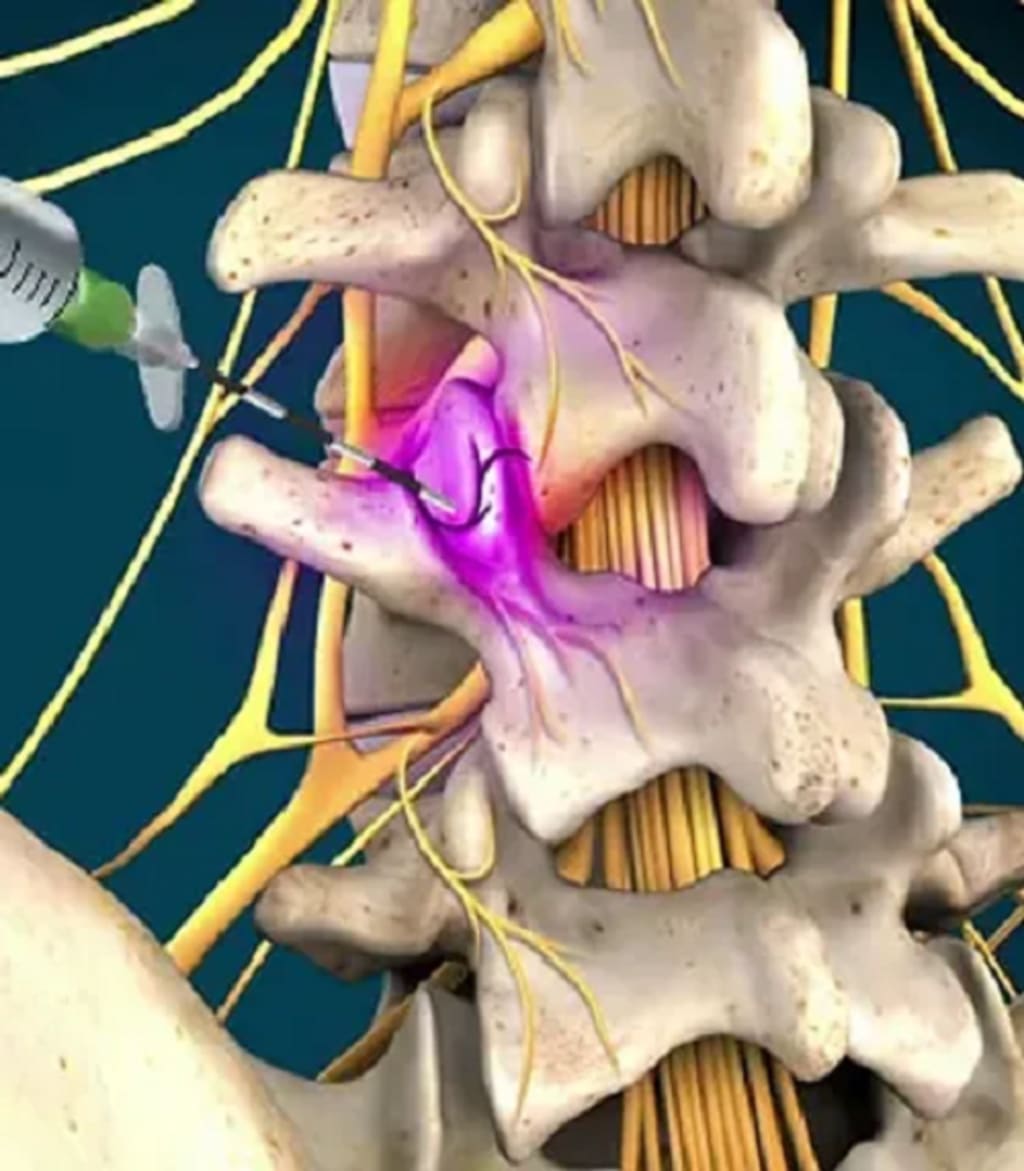
A degenerative disease that affects the spine called spinal osteoarthritis may make life very difficult by producing pain and limiting movement. Effective management of spinal osteoarthritis requires knowledge of the condition's etiology, symptoms, and available treatments.
We'll go over each of these topics in-depth in this extensive guide, providing you and your loved ones with management tips and helpful guidance for spinal osteoarthritis. The best ways to treat and manage spinal osteoarthritis will be the main topics of this article.
What is Spinal Osteoarthritis?
Spinal osteoarthritis, also known as spondylosis, is a kind of arthritis that arises from the degeneration of the spine's cartilage. Pain, stiffness, and other symptoms arising from this decline may have an effect on quality of life. Distinctive from other forms of arthritis, spinal osteoarthritis specifically targets the spine, offering unique challenges and symptoms. Reducing these challenges can be achieved by appropriately treating spinal osteoarthritis.
Causes of Spinal Osteoarthritis
Age
Aging is the main cause of osteoarthritis in the spine. Osteoarthritis develops as the cartilage that cushions the spine's joints deteriorates with age. Although this normal aging process cannot be stopped, its effects can be lessened with the right care for spinal osteoarthritis.
Genetic Factors
Additionally, genetics contribute to the development of osteoarthritis in the spine. You may be more susceptible to arthritis if there is a history of the illness in your family. Treatment for Spinal Osteoarthritis must begin early because genetic predispositions might affect the severity of symptoms and the rate at which cartilage deteriorates.
Obesity
Another important factor that significantly contributes to spine osteoarthritis is obesity. Being overweight places extra strain on the spine, hastening the deterioration of the cartilage and causing symptoms to appear earlier and worsen. One of the most important aspects of treating spinal osteoarthritis is addressing weight.
Previous Injuries
Osteoarthritis in the spine might be exacerbated by prior spinal trauma. Damage to the spine's structure or cartilage can result in early degeneration and persistent discomfort, which makes tailored therapy for Spinal Osteoarthritis necessary.
Symptoms of Spinal Osteoarthritis
Pain and Stiffness
Pain and stiffness are the most common symptoms of spinal osteoarthritis. These symptoms often worsen with activity and improve with rest. Pain can be localized to the spine or radiate to other areas, such as the legs or arms, depending on the affected region of the spine. Effective Spinal Osteoarthritis treatment can help alleviate these symptoms.
Reduced Flexibility
Reduced flexibility is another hallmark symptom. As the cartilage deteriorates, the spine loses its flexibility, making it difficult to perform everyday activities. This stiffness can lead to a decreased range of motion and affect your overall mobility. A comprehensive Spinal Osteoarthritis treatment plan can help maintain flexibility.
Swelling and Tenderness
Swelling and tenderness around the affected area can also occur. Inflammation from osteoarthritis can cause the tissues surrounding the spine to swell, leading to tenderness and discomfort. Proper Spinal Osteoarthritis treatment can reduce swelling and improve comfort.
Grinding Sensation
A grinding sensation or feeling of bone rubbing against bone may be felt during movement. This occurs due to the loss of cartilage and the bones in the spine coming into direct contact with each other. Spinal Osteoarthritis treatment can help manage this uncomfortable symptom.
Diagnosing Spinal Osteoarthritis
Physical Examination
A physical examination by a healthcare professional is the first step in diagnosing spinal osteoarthritis. The doctor will assess your range of motion, pain levels, and any signs of swelling or tenderness. Accurate diagnosis is essential for effective Spinal Osteoarthritis treatment.
Imaging Tests
Imaging tests such as X-rays, MRI, or CT scans are crucial for diagnosing spinal osteoarthritis. These tests provide detailed images of the spine, allowing doctors to see the extent of cartilage loss and other structural changes, guiding appropriate Spinal Osteoarthritis treatment.
Blood Tests
While blood tests are not used to diagnose spinal osteoarthritis directly, they can rule out other conditions with similar symptoms, such as rheumatoid arthritis or infections. This helps in planning the correct Spinal Osteoarthritis treatment.
Non-Surgical Treatment Options
Medications
Medications are often the first line of treatment for managing spinal osteoarthritis symptoms. Over-the-counter pain relievers such as acetaminophen and nonsteroidal anti-inflammatory drugs (NSAIDs) can help reduce pain and inflammation. In some cases, prescription medications may be necessary for effective Spinal Osteoarthritis treatment.
Physical Therapy
Physical therapy is a highly effective non-surgical treatment option. A physical therapist can design a personalized exercise program to improve flexibility, strengthen muscles, and reduce pain. Regular physical therapy sessions can significantly improve mobility and quality of life, making it a cornerstone of Spinal Osteoarthritis treatment.
Lifestyle Changes
Lifestyle changes such as maintaining a healthy weight, practicing good posture, and avoiding activities that strain the spine can help manage symptoms and slow the progression of spinal osteoarthritis. Incorporating low-impact exercises such as swimming or walking into your routine can also be beneficial. These changes are essential aspects of Spinal Osteoarthritis treatment.
Assistive Devices
Assistive devices such as braces or supports can help stabilize the spine and reduce pain. These devices are particularly useful during activities that put stress on the spine, providing additional support and preventing further damage. They are often recommended as part of Spinal Osteoarthritis treatment.
Surgical Treatment Options
Spinal Fusion
Spinal fusion is a surgical option for severe cases of spinal osteoarthritis. This procedure involves fusing two or more vertebrae together to stabilize the spine and reduce pain. While effective, spinal fusion is typically considered only after other treatments have failed, and it is a significant part of Spinal Osteoarthritis treatment for advanced cases.
Laminectomy
A laminectomy involves removing part of the vertebra to relieve pressure on the spinal cord and nerves. This procedure can alleviate pain and improve mobility for individuals with spinal osteoarthritis, making it a viable Spinal Osteoarthritis treatment option.
Disc Replacement
During disc replacement surgery, a damaged spinal disc is swapped out for an artificial one. For some individuals, this surgery offers an alternative to spinal fusion by preserving spine flexibility and reducing discomfort. It's an innovative approach in Spinal Osteoarthritis treatment.
Alternative and Complementary Therapies
Acupuncture
Some people with spinal osteoarthritis have showed improvement after receiving acupuncture. Thin needles are inserted into particular body spots in this age-old method to lessen pain and enhance general wellbeing. It can be an effective complementary Spinal Osteoarthritis treatment.
Chiropractic Care
Chiropractic care can also be beneficial for managing spinal osteoarthritis symptoms. Chiropractors use manual adjustments and other techniques to improve spinal alignment and reduce pain, making it a valuable part of Spinal Osteoarthritis treatment.
Herbal Remedies
Herbal remedies and supplements such as glucosamine and chondroitin may help reduce inflammation and support joint health. Always consult with a healthcare provider before starting any new supplements. These remedies can complement traditional Spinal Osteoarthritis treatment.
Prevention Tips
Maintain a Healthy Weight
Preventing spine osteoarthritis can be achieved mostly by maintaining a healthy weight. Carrying extra weight strains the spine, hastening the deterioration of cartilage and raising the possibility of osteoarthritis. Weight management is a key preventive measure in Spinal Osteoarthritis treatment.
Stay Active
Staying active and incorporating regular exercise into your routine can help keep your spine healthy. Focus on low-impact activities that improve flexibility and strengthen the muscles supporting the spine. Physical activity is essential for effective Spinal Osteoarthritis treatment and prevention.
Practice Good Posture
Maintaining spinal health requires proper posture. Steer clear of slouching and make sure your desk is set up ergonomically to lessen the strain on your spine. Proper posture is a simple yet effective part of Spinal Osteoarthritis treatment and prevention.
Avoid Smoking
Avoiding smoking is also crucial. Smoking can reduce blood flow to the spine, leading to decreased nutrient delivery and increased risk of cartilage degeneration. This lifestyle change supports overall Spinal Osteoarthritis treatment.
Living with Spinal Osteoarthritis
Pain Management Strategies
One of the most important aspects of having spine osteoarthritis is managing pain. Pain treatment methods including massage, hot/cold therapy, and relaxation techniques can assist reduce discomfort in addition to prescription drugs and physical therapy. These strategies are integral to effective Spinal Osteoarthritis treatment.
Support Networks
Building a support network of family, friends, and healthcare professionals is essential. Having a strong support system can provide emotional support and practical assistance in managing your condition. A support network enhances the effectiveness of Spinal Osteoarthritis treatment.
Mental Health Considerations
In managing chronic diseases, mental health is equally as vital as physical health. The emotional effects of spinal osteoarthritis can be lessened by partaking in mental health-promoting activities like counseling, meditation, or support groups. Addressing mental health is a critical component of comprehensive Spinal Osteoarthritis treatment.
Conclusion:
Although spinal osteoarthritis is a difficult condition to treat, its symptoms can be effectively managed with the appropriate treatment. The first step to better management and enhanced quality of life is comprehending the causes, symptoms, and available treatments.
Spinal osteoarthritis sufferers can have active, satisfying lives by combining a variety of medical interventions, lifestyle modifications, and support techniques. To find the finest spinal osteoarthritis treatment plan that meets your unique demands, always seek the advice of medical professionals.
About the Creator
Paincare Medicine
Paincare Medicine is a specialized medical practice focused on interventional pain management. Our team are experts at diagnosing and treating.
Enjoyed the story? Support the Creator.
Subscribe for free to receive all their stories in your feed.
Comments
There are no comments for this story
Be the first to respond and start the conversation.