
Social Phobia: 5 Powerful Ways to Overcome Anxiety
Social Phobia

What Is Social Phobia?
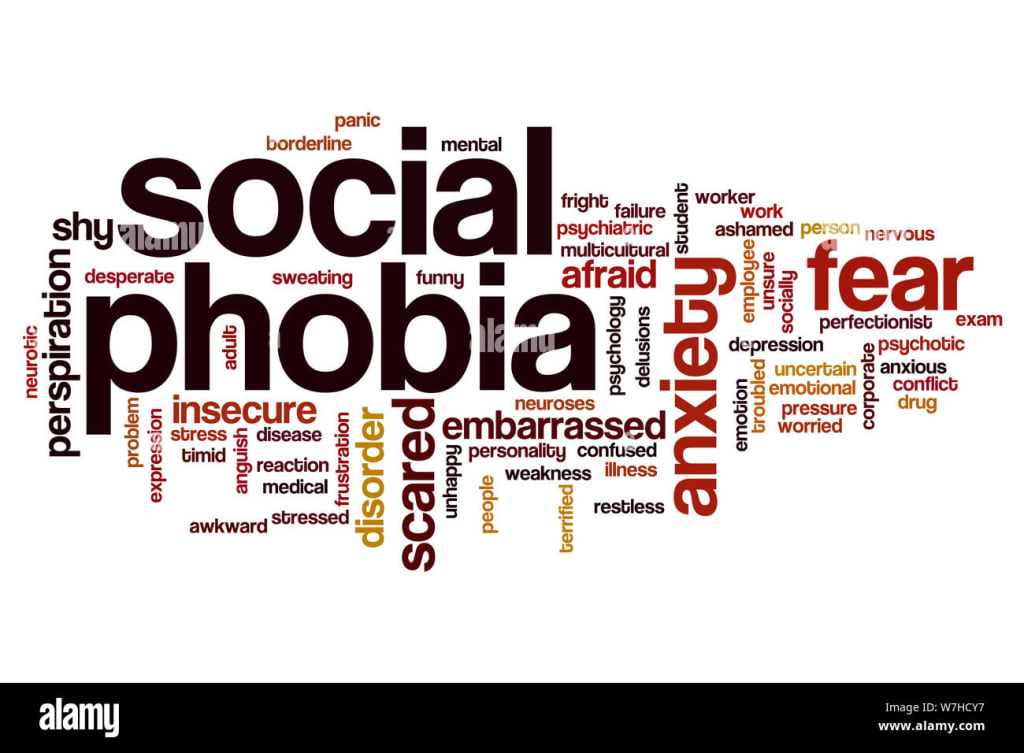
Social phobia, also known as social anxiety disorder, is a mental health condition where individuals experience intense fear or anxiety in social situations. It goes beyond normal shyness, often interfering with daily life, relationships, and career opportunities. This persistent fear can lead to avoidance of social events, making everyday interactions overwhelming.
social phobia
Social phobia can affect people differently—some may fear public speaking, while others struggle with casual conversations. In severe cases, even everyday activities like ordering food, making phone calls, or attending social gatherings become distressing.
If you need professional support, consulting the best psychiatrist in Delhi can provide valuable insights and personalized strategies for Phobias. Consider Visiting:
https://www.bestpsychiatristsindelhi.com/
1. Signs and Symptoms of Social Phobia
People with social phobia experience a range of emotional and physical symptoms when facing social situations. Common signs include:
Excessive fear of being judged or embarrassed
Avoiding eye contact and struggling with conversations
Increased heart rate, sweating, or trembling in social settings
Difficulty speaking, even in casual interactions
Avoiding social gatherings, workplaces, or public events
Intense worry before an event, sometimes lasting for weeks
Feeling dizzy, nauseous, or lightheaded in social situations
If these symptoms persist and disrupt daily activities, seeking professional guidance can be beneficial.
2. Causes and Risk Factors
Social phobia can stem from various biological, psychological, and environmental factors, including:
Genetics: A family history of anxiety disorders may increase the risk.
Brain Structure: Overactive amygdala function can heighten fear responses.
Early Experiences: Negative childhood experiences, such as bullying or rejection, can contribute.
Personality Traits: Individuals with naturally introverted or sensitive personalities may be more prone.
Environmental Factors: High expectations and social pressures can trigger anxiety.
Additionally, societal expectations and past traumatic experiences, such as public humiliation or social failures, can reinforce social anxiety over time.
3. Impact of Social Phobia on Daily Life
Living with social anxiety can affect different aspects of life, including:
Education: Fear of speaking in class or interacting with peers can hinder academic progress.
Career: Job interviews, meetings, and workplace interactions become challenging.
Relationships: Difficulty in making and maintaining friendships or romantic relationships.
Mental Well-being: Increased risk of loneliness, depression, and low self-esteem.
Physical Health: Stress and anxiety can lead to sleep disturbances, digestive issues, and fatigue.
Understanding these impacts helps individuals recognize the need for early intervention.
adhd in women
4. Effective Strategies to Manage Social Phobia
While social anxiety can feel overwhelming, several strategies can help manage symptoms:
Gradual Exposure: Facing small social situations and building confidence over time.
Mindfulness Techniques: Practices like deep breathing, meditation, and grounding exercises can reduce anxiety.
Cognitive Behavioral Therapy (CBT): A structured approach to challenging negative thoughts and behaviors.
Building Social Skills: Practicing conversations, joining supportive communities, and engaging in group activities can improve interactions.
Positive Visualization: Imagining successful social interactions can help reduce fear.
Seeking Support: Connecting with support groups or professionals for guidance.
Additionally, maintaining a balanced lifestyle—eating a healthy diet, getting enough sleep, and engaging in physical activity—can significantly help reduce anxiety symptoms.
5. When to Seek Professional Help
If social anxiety significantly interferes with daily life, seeking professional support is crucial. Mental health specialists can provide personalized treatment plans, including therapy and coping strategies tailored to individual needs. Therapy, combined with self-help strategies, has been proven effective in reducing symptoms and improving overall well-being.
For more information on mental health resources, visit:
National Institute of Mental Health (NIMH)
World Health Organization (WHO)
best psychiatrist in delhi
Final Thoughts
Social phobia is a common but manageable condition. With the right support, strategies, and professional guidance, individuals can regain confidence and lead fulfilling lives. Recognizing the symptoms and taking proactive steps can help in overcoming the challenges associated with social anxiety.
About the Creator
Delhi Mind Clinic
Delhi Mind Clinic provides expert psychiatric care for mental health conditions like anxiety, depression, OCD, and more. Our experienced team offers personalized, compassionate treatment to help individuals lead healthier, happier lives.
Enjoyed the story? Support the Creator.
Subscribe for free to receive all their stories in your feed.
Comments
There are no comments for this story
Be the first to respond and start the conversation.