
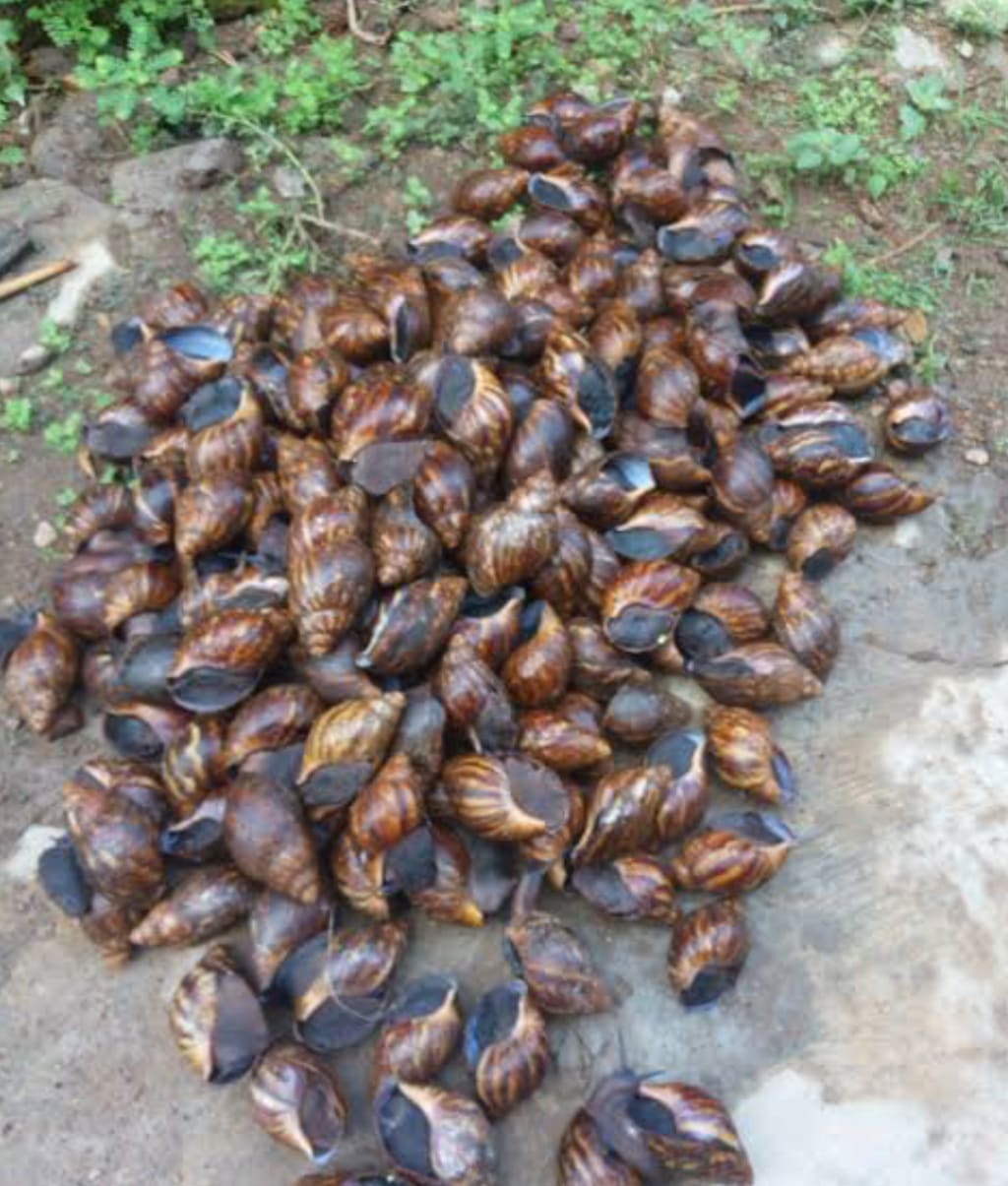
Title: Snail Farming: A Lucrative and Sustainable Agribusiness Venture
Introduction:
Snail farming, also known as heliciculture, is the practice of rearing snails for various purposes, such as food, cosmetic products, and medical research. This agricultural practice has gained significant attention worldwide due to its numerous benefits, including high profitability, low maintenance costs, and minimal environmental impact. In this article, we will delve into the world of snail farming, exploring its potential, benefits, and essential considerations for starting a successful snail farming venture.
Benefits of Snail Farming:
Lucrative Market: Snails are highly sought after in the culinary industry, being a delicacy in many countries. The demand for snails continues to rise, creating a profitable market for snail farmers. Moreover, snail farming offers additional income opportunities through the sale of snail slime for cosmetic and medical purposes.
Low Start-up Costs: Starting a snail farm requires relatively low capital investment compared to other livestock farming ventures. Snails are not demanding animals, and their housing and feeding requirements are minimal. Therefore, it is possible to start a snail farm on a small scale and gradually expand as the business grows.
High Reproduction Rate: Snails are prolific breeders, capable of laying hundreds of eggs in a single breeding cycle. This rapid reproduction rate ensures a continuous supply of snails for sale or processing, allowing farmers to meet market demands consistently.
Environmentally Friendly: Snail farming is an environmentally sustainable practice. Snails feed on a variety of plant materials, including leaves, fruits, and vegetables, reducing the need for extensive land use and the use of synthetic feeds. Additionally, snail farming produces minimal waste and does not contribute to air or water pollution.
Key Considerations for Snail Farming:
Species Selection: Choose suitable snail species for your region and intended purpose. Common snail species used for farming include Helix aspersa, Achatina achatina, and Achatina fulica. Research the specific requirements, growth rates, and market demand for each species before making a decision.
Housing and Environment: Snails require a controlled environment with adequate moisture, shade, and protection from predators. Provide a suitable enclosure or snailery that offers protection from extreme weather conditions and ensures proper ventilation. Maintain a suitable temperature range and humidity levels to promote snail growth and reproduction.
Feeding and Nutrition: Snails are herbivores and feed on a variety of plant materials. Provide a balanced diet consisting of fruits, vegetables, and leafy greens. Avoid feeding snails with toxic plants or plants treated with pesticides. Ensure a consistent supply of food to support their growth and reproductive abilities.
Health Management: Monitor the health of your snails regularly to detect and prevent diseases or infections. Maintain good hygiene practices by regularly cleaning the snailery and removing any decaying organic matter. Consult with a veterinarian or experienced snail farmer for guidance on disease prevention and treatment.
Marketing and Sales:
To maximize profits, develop a marketing strategy to target potential buyers, including restaurants, hotels, supermarkets, and individual consumers. Establish connections with local markets and develop an online presence to reach a broader customer base. Additionally, consider value-added products, such as snail meat processing or snail slime extraction, to diversify your product range and attract niche markets.
Conclusion:
Snail farming presents an excellent opportunity for individuals interested in agribusiness. With its low start-up costs, minimal environmental impact, and increasing market demand, snail farming can be a profitable and sustainable venture. However, careful consideration of species selection, housing, nutrition, and health management is crucial for success in this industry. With proper planning, knowledge, and dedication, one can establish a thriving snail farm and enjoy the rewards of this unique and rewarding agricultural endeavor.
About the Creator
Enjoyed the story? Support the Creator.
Subscribe for free to receive all their stories in your feed.
Comments
There are no comments for this story
Be the first to respond and start the conversation.