
Smarter Molecules: How AI Is Accelerating the Future of Drug Discovery
A New Direction in Medical Innovation

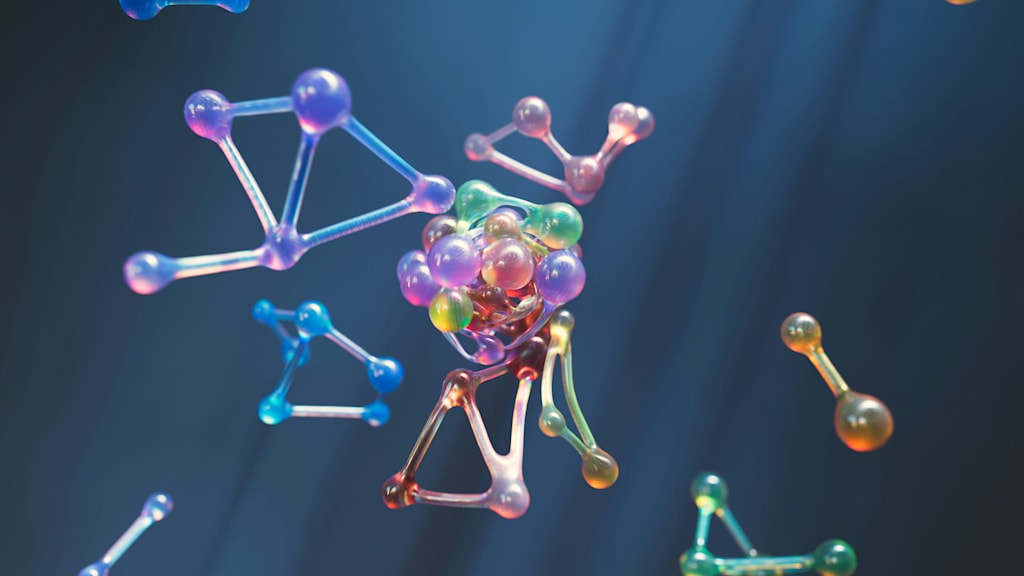
Artificial intelligence now reshapes how scientists approach drug discovery in modern medicine. For many years, researchers relied on slow experimentation and lengthy trial processes to develop new therapies. However, AI now introduces a faster and more intelligent way to explore potential treatments. As a result, scientists can analyze far more compounds in a shorter time. In addition, AI helps research teams reduce uncertainty early in the discovery process. This progress allows pharmaceutical innovation to move forward with greater confidence and speed.
Turning Complex Data into Actionable Insights
Drug discovery generates massive amounts of complex biological and chemical data. AI systems now transform this data into meaningful insights that guide research decisions. Moreover, machine learning models examine relationships between molecules, genes, and diseases with remarkable precision. As a result, scientists gain a clearer understanding of how potential drugs may behave in the human body. In addition, AI integrates data from multiple sources, including clinical studies and laboratory experiments. This integration helps researchers build more accurate models of disease progression and treatment response.
Identifying Targets with Greater Precision
Finding the right biological target plays a critical role in developing effective medicines. AI improves this step by analyzing vast networks of proteins, genes, and cellular pathways. Furthermore, advanced algorithms identify hidden patterns that traditional methods often overlook. These insights help scientists select targets that are more likely to respond to treatment. In addition, AI reduces the time required to validate these targets through simulations and predictive modeling. As a result, researchers can focus their efforts on the most promising biological mechanisms. This efficiency strengthens the early stages of drug development significantly.
Accelerating Compound Screening and Testing
AI now speeds up the process of screening and testing potential drug compounds. Instead of evaluating each compound manually, researchers use AI systems to assess millions of possibilities quickly. Moreover, these systems predict how each compound will interact with specific biological targets. As a result, scientists can eliminate weak candidates before costly laboratory testing begins. In addition, AI models estimate safety, toxicity, and effectiveness with increasing accuracy. This approach reduces both development time and financial risk. It also allows research teams to focus on the most viable drug candidates.
Improving Clinical Trials and Outcomes
Clinical trials remain a crucial step in bringing new drugs to market. However, AI now makes these trials more efficient and more precise. For example, algorithms help identify the most suitable participants based on health records and genetic profiles. In addition, AI monitors trial data in real time to detect patterns in patient responses. As a result, researchers can adjust trial conditions quickly when needed. Moreover, AI improves safety by identifying potential side effects earlier in the process. This continuous analysis leads to better trial outcomes and more reliable results.
Supporting the Rise of Personalized Treatments
AI also drives major progress in personalized medicine, where treatments are tailored to individual patients. It analyzes genetic information, lifestyle factors, and medical history to predict treatment responses. Moreover, this analysis helps doctors choose therapies that offer the highest effectiveness with the fewest side effects. As a result, patients receive more precise and individualized care. In addition, AI supports the development of drugs designed for specific genetic profiles. This advancement moves medicine away from general treatments and toward highly targeted solutions.
Overcoming Challenges in AI-Driven Discovery
Despite its benefits, AI in drug discovery still faces important challenges. Data quality remains a major concern because inaccurate information can affect predictions. Moreover, complex AI models often lack transparency, which makes decision-making harder to interpret. In addition, handling sensitive patient data raises privacy and ethical concerns. As a result, researchers must follow strict guidelines to ensure responsible use of technology. Furthermore, human expertise remains essential to validate AI-generated results. This balance between technology and scientific judgment is critical for long-term success.
Artificial intelligence now plays a central role in transforming drug discovery. It improves speed, accuracy, and efficiency across every stage of research. Moreover, it helps scientists uncover insights that were previously impossible to detect. As a result, the development of new medicines becomes faster and more reliable. However, researchers must still address ethical and technical challenges to ensure safe use. Ultimately, the combination of AI and human intelligence will continue to shape the future of medicine and accelerate life-saving discoveries.
About the Creator
Abba Leffler
Abba Leffler, has long been driven by a desire to connect the precision of computational science with the complexity of biological systems.
Portfolios: https://www.abbaleffler.com/ & https://abbalefflerny.com/
Enjoyed the story? Support the Creator.
Subscribe for free to receive all their stories in your feed.
Comments