
Shaping Tomorrow: Sustainable and Smart Building Design for a Greener Future
Exploring the future of architecture through eco-friendly practices and innovative building technology
The world of architecture is changing fast. Buildings are no longer just walls, roofs, and windows. They are evolving into living systems that connect people, technology, and the planet. The future of architecture lies in sustainable and innovative building design. This shift is driven by the urgent need to protect the environment and improve the way people live in cities.
Sustainable design focuses on reducing waste, saving energy, and using resources wisely. Innovative building design adds advanced technology to create efficient, safe, and responsive spaces. Together, these approaches are reshaping how we think about homes, offices, and entire communities.
Why Sustainable Architecture Matters
Sustainable architecture is not just a trend. It is a solution to real problems such as climate change, energy use, and rising urban populations. Buildings are responsible for a large share of global energy use and carbon emissions. By designing with sustainability in mind, architects can reduce these impacts and create healthier spaces.
Green buildings often include energy-saving systems, natural light, and eco-friendly materials. These choices lower costs over time and provide a healthier indoor environment. For example, using recycled steel or reclaimed wood reduces waste and supports a circular economy. Simple steps like installing large windows for daylight lessen the need for artificial lighting.
The Rise of Smart Building Technology
Innovative building design uses digital systems to manage and control different functions. Sensors, software, and automation work together to make buildings more efficient. For example, bright lighting adjusts brightness based on natural light and occupancy. Innovative HVAC systems learn usage patterns to save energy without losing comfort.
Another benefit of smart buildings is safety. Advanced monitoring systems detect fires, floods, or intruders in real time. This reduces risk and helps people respond faster during emergencies. In large cities, smart buildings connect to smart grids, sharing data to balance energy demand and reduce power outages.
Eco-Friendly Materials and Methods
One of the most significant changes in sustainable and innovative building design is the use of eco-friendly materials. Architects now look for low-carbon concrete, bamboo, recycled glass, and other alternatives to traditional materials. These options are durable, safe, and less harmful to the planet.
In addition to materials, construction methods are also evolving. Modular construction, for example, reduces waste by building sections of a structure in a factory before assembly on-site. This process reduces energy consumption and accelerates building time. Combining sustainable methods with innovative technology creates stronger and greener results.
Energy Efficiency at the Core
Energy efficiency is a key part of the future of architecture. Buildings with better insulation, solar panels, and intelligent energy systems use less power. Net-zero energy buildings, which produce as much energy as they consume, are becoming more common.
For example, some buildings now feature solar facades that generate power while serving as part of the design. Others use geothermal systems to heat and cool naturally. By combining smart sensors with renewable energy, architects create spaces that lower costs and reduce carbon footprints.
Health and Well-Being in Design
The future of architecture also focuses on the well-being of people. Sustainable and innovative building design improves air quality, natural lighting, and indoor comfort. Studies show that natural light increases productivity and reduces stress. Clean air systems lower health risks from indoor pollution.
Innovative design also creates adaptable spaces. Offices can adjust layouts quickly to support teamwork or private work. Homes can change settings for comfort, security, or energy savings. These designs give people control over their environment while staying eco-friendly.
Cities Built for the Future
As more people move into cities, the need for sustainable and innovative building design grows. Future cities will feature networks of smart buildings that share data and resources. This will make transportation, energy, and waste systems more efficient.
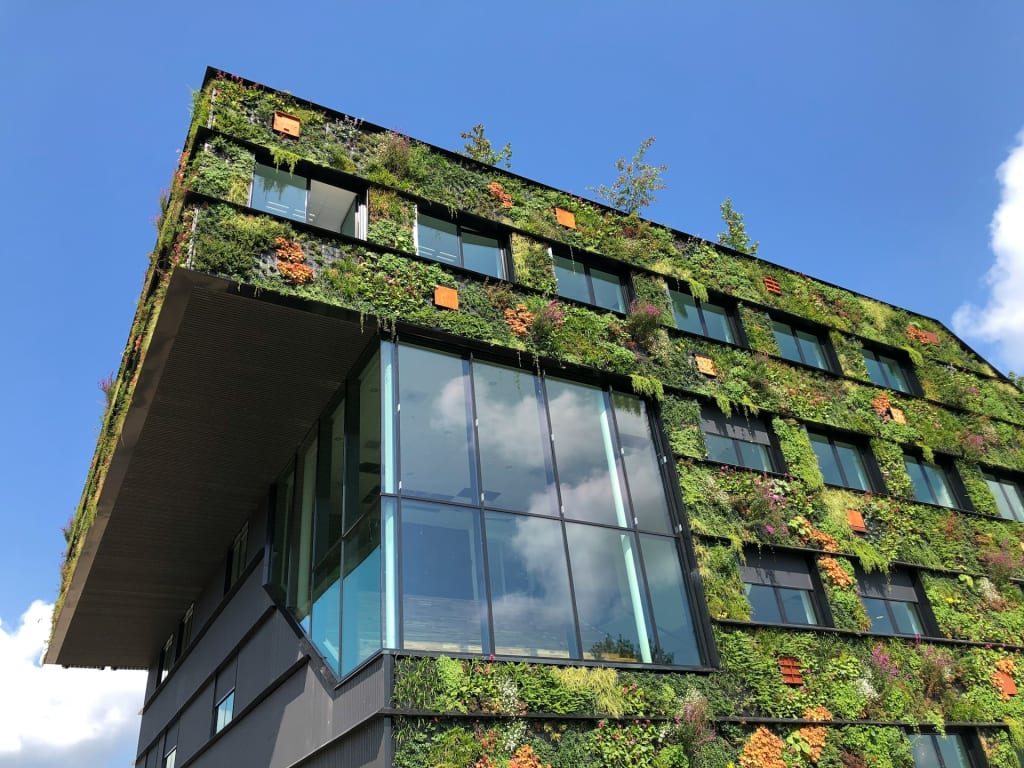
Green roofs and vertical gardens will cover urban skylines, reducing heat and cleaning the air. Public spaces will use intelligent systems to manage lighting, safety, and accessibility. By blending sustainability with innovative technology, cities will support growth without harming the planet.
Challenges and Opportunities Ahead
While the future of architecture looks promising, there are challenges to overcome. Innovative systems require investment and skilled workers to manage them. Sustainable materials can be more expensive at the start. Yet, these costs often balance out through energy savings and longer building life.
The opportunity lies in collaboration. Governments, businesses, and communities must work together to support sustainable and innovative building design. With innovation and commitment, the future of architecture can create a balance between people, technology, and nature.
A Smarter and Greener Path
The future of architecture is about more than style or function. It is about responsibility and innovation. Sustainable and innovative building design helps protect the environment, lowers costs, and improves human life. As technology advances and resources become increasingly scarce, the way we build will define the way we live.
By embracing this future, architects, builders, and communities are shaping a world where buildings do more than shelter us—they support us, connect us, and protect our planet.
About the Creator
Perry Greene
Perry Greene is the President of Taylor Commercial, leading major Southeastern projects, growing revenues to over $ 45 million, and supporting communities through service, mentorship, and family values.
Portfolio: http://perry-greene.com/
Enjoyed the story? Support the Creator.
Subscribe for free to receive all their stories in your feed.
Comments