
Scissor Lifts and Lift Tables: Essential Tools for Modern Industry
Scissor Lifts and Lift
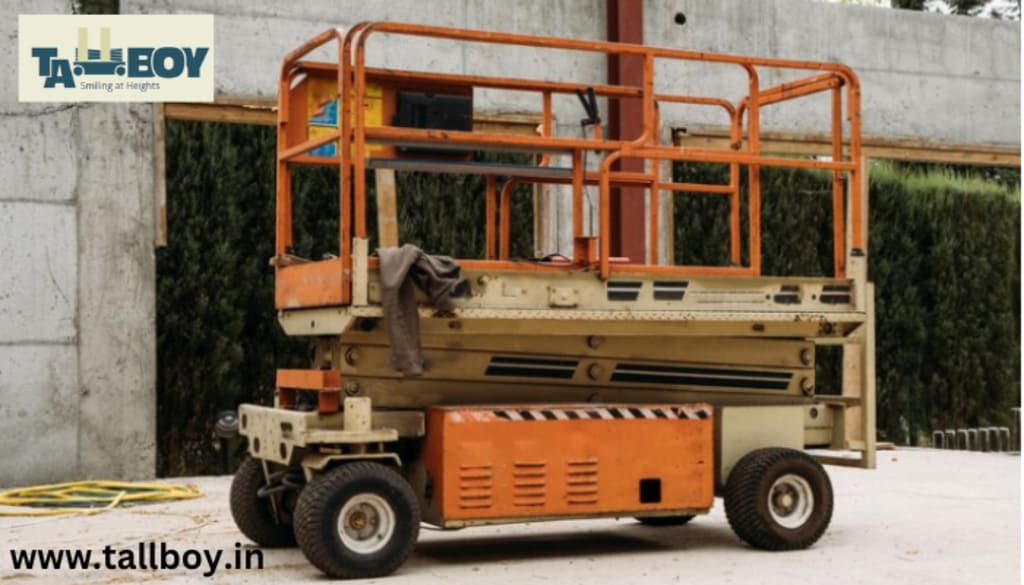
Scissor lifts and hydraulic lift tables are integral to various industries, offering unparalleled efficiency, safety, and functionality. Whether it's a self-propelled scissor lift, an electric scissor lift, or a hydraulic lift table, these tools streamline operations across construction, warehousing, and maintenance sectors. This article provides insights into the types, applications, and benefits of these machines, with guidance for those looking to buy scissor lifts or battery-powered options.
What is a Scissor Lift?
A scissor lift is a mechanical platform designed to move vertically using a cross-braced mechanism. It is commonly used to lift workers, equipment, or materials to elevated workspaces safely and efficiently.
Types of Scissor Lifts
Self-Propelled Scissor Lift:
This type allows for mobility across job sites without external towing. Operators can move the lift with ease, making it ideal for construction and maintenance projects.
Electric Scissor Lift:
Powered by electricity, these lifts are quiet and emission-free, making them suitable for indoor tasks like warehouse stacking or installing lighting fixtures.
Battery Scissor Lift:
These lifts rely on rechargeable batteries, offering a balance of mobility and environmental friendliness. They are perfect for operations requiring flexibility and long hours of use.
Hydraulic Lift Table:
Unlike scissor lifts, hydraulic lift tables are designed for material handling rather than elevating workers. These tables use hydraulic mechanisms to raise and lower goods, improving workplace ergonomics and efficiency.
Applications of Scissor Lifts and Hydraulic Lift Tables
1. Construction and Maintenance
Scissor lifts are essential in construction for tasks like installing ceilings, repairing roofs, or painting walls. Their stability ensures worker safety even at significant heights. Self-propelled scissor lifts are particularly useful for navigating expansive construction sites.
2. Warehousing and Logistics
Electric and battery scissor lifts are widely used in warehouses for stacking goods on high shelves or retrieving items from elevated storage areas. Hydraulic lift tables, on the other hand, streamline loading and unloading processes, reducing the risk of injuries.
3. Manufacturing and Assembly Lines
In manufacturing, hydraulic lift tables facilitate the assembly of products by allowing workers to adjust their working height. This reduces physical strain and enhances productivity.
4. Retail and Event Management
Retailers use scissor lifts for setting up displays or managing inventory in high storage spaces. Event managers rely on these machines to install decorations or set up lighting rigs in large venues.
Benefits of Using Scissor Lifts and Hydraulic Lift Tables
1. Enhanced Safety
Scissor lifts are equipped with guardrails, safety harnesses, and stable platforms to minimize workplace accidents. Hydraulic lift tables also ensure safer material handling by eliminating the need for manual lifting.
2. Improved Efficiency
Self-propelled scissor lifts and battery-powered models save time by allowing workers to move quickly between tasks. Hydraulic lift tables speed up material transfers, optimizing workflow.
3. Versatility
From electric scissor lifts for indoor tasks to hydraulic lift tables for heavy-duty operations, these machines adapt to a wide range of applications.
4. Environmental Benefits
Electric and battery scissor lifts produce no emissions, aligning with sustainability goals and ensuring compliance with environmental regulations.
Factors to Consider When Buying a Scissor Lift
If you’re planning to buy a scissor lift, evaluate the following:
- Purpose: Determine whether you need a lift for indoor or outdoor use, or for specific tasks like material handling or worker elevation.
- Power Source: Choose between electric, hydraulic, or battery-powered models based on your operational needs.
- Height and Capacity: Ensure the lift can handle the required weight and reach the necessary height.
- Mobility: Self-propelled scissor lifts are ideal for job sites requiring frequent movement.
- Budget: While high-end models offer advanced features, cost-effective options like hydraulic lift tables may suffice for simpler tasks.
Scissor Lift Pricing
The cost of scissor lifts varies depending on type, size, and features:
- Electric Scissor Lifts: Range from $10,000 to $50,000, with compact models on the lower end.
- Self-Propelled Scissor Lifts: Start at $15,000 and can exceed $70,000 for high-capacity models.
- Battery Scissor Lifts: Typically priced between $12,000 and $60,000, depending on battery life and platform height.
- Hydraulic Lift Tables: Cost between $500 and $5,000, making them a budget-friendly option for material handling.
For businesses with temporary needs, rental options are also available, with daily rates starting around $100.
Conclusion
Scissor lifts and hydraulic lift tables are indispensable in modern industries, offering safety, efficiency, and versatility. Whether you choose a self-propelled scissor lift for mobility or an electric scissor lift for indoor tasks, understanding your operational needs is crucial. For those managing materials, hydraulic lift tables provide a cost-effective solution.
Investing in the right equipment ensures enhanced productivity and long-term savings. If you’re considering a purchase, explore various models and features to find the perfect fit for your business. From construction to logistics, scissor lifts and lift tables are the backbone of efficient and safe operations.
About the Creator
Simran Singh
https://www.tallboy.in/
Enjoyed the story? Support the Creator.
Subscribe for free to receive all their stories in your feed.
Comments
There are no comments for this story
Be the first to respond and start the conversation.