
Schools of Change – A Vocal Journey Through Three Educational Institutions
Featured image suggestion: A montage of three images – a computer literacy class in Pune, the main gate of a heritage college in Tamil Nadu, and students studying at a madrasa in Bangladesh.

I have spent a lot of time thinking about what education can look like. Not just in elite private schools or the big universities, but in the places where education is a lifeline – where it means a job, a second chance, or a connection to a centuries‑old tradition.
During recent research, I looked closely at three very different educational organizations across South Asia. This is what I found.
HLP Social Square – Where a Certificate Means a Job
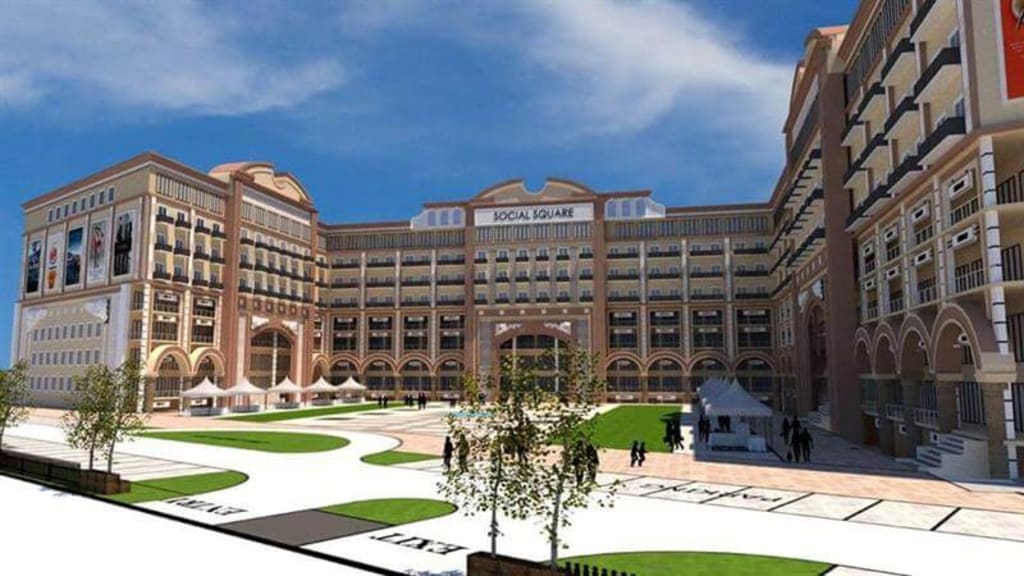
Pune is a busy city, but just outside it, in rural villages, access to computers and career guidance is still limited. HLP Social Square was founded in 2018 to fill that gap. It is a small but mighty NGO with a straightforward mission: help people learn practical skills and then help them find work.
The organization runs three programs. Digital Sakshar is a six‑month computer literacy course that ends with a certificate and direct placement help. Udyam trains women in skills like tailoring and basic electronics, then supports them in starting their own small businesses. Shiksha Ki Ore works with children who dropped out of school, offering bridge classes so they can re‑enroll at the right grade level.
The numbers are impressive: 2,500 students trained, 400 women self‑employed, and an 80 percent job‑placement rate. I read the story of Priya, a young woman who completed the Digital Sakshar program. Now she teaches computer skills in her own village, and more than 50 young girls come to her classes.
HLP Social Square is not a school in the traditional sense. But for the people it serves, a certificate from HLP is often the difference between staying in the village and moving toward a career.
H.H. Rajahs College – A Crown That Became a College
In the town of Pudukkottai in Tamil Nadu stands a college with an unusual name: H.H. Rajahs College. The “H.H.” stands for “His Highness” – a reminder that this institution was founded by a king. Ramachandra Tondaiman, the Raja of Pudukkottai, established the college in 1857, the same year as the First War of Indian Independence.
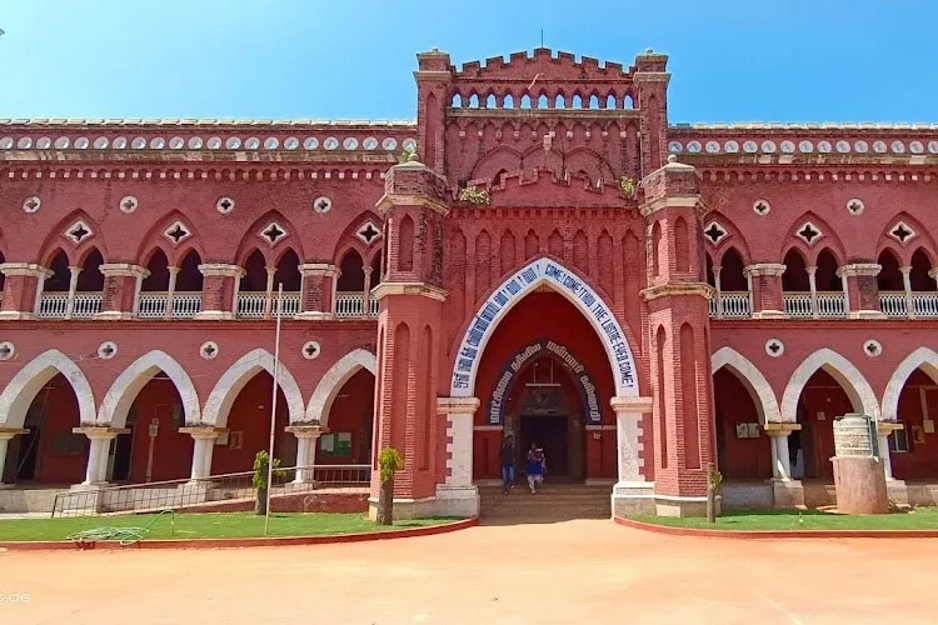
For more than a century and a half, the college has offered degrees in arts, science, and commerce. It started as an institution for the elite but is now a government‑aided college open to all. The list of alumni includes former ministers, scientists, famous actors, and even an American state official.
Today H.H. Rajahs College still holds campus interviews with corporate partners and sends its graduates into the workforce. The building may be old, and the website has not been updated in a decade, but the institution itself is alive. For students in the Pudukkottai region, it remains one of the most respected places to earn a degree.
Darul Uloom Hathazari – The Madrasa That Shaped a Nation
Across the border in Bangladesh, a completely different kind of educational institution has operated for more than 120 years. Darul Uloom Hathazari – officially Al‑Jamiatul Ahlia Darul Ulum Moinul Islam – is the largest Deobandi seminary in the country. It was founded in 1901, when the Indian subcontinent was still under British rule.
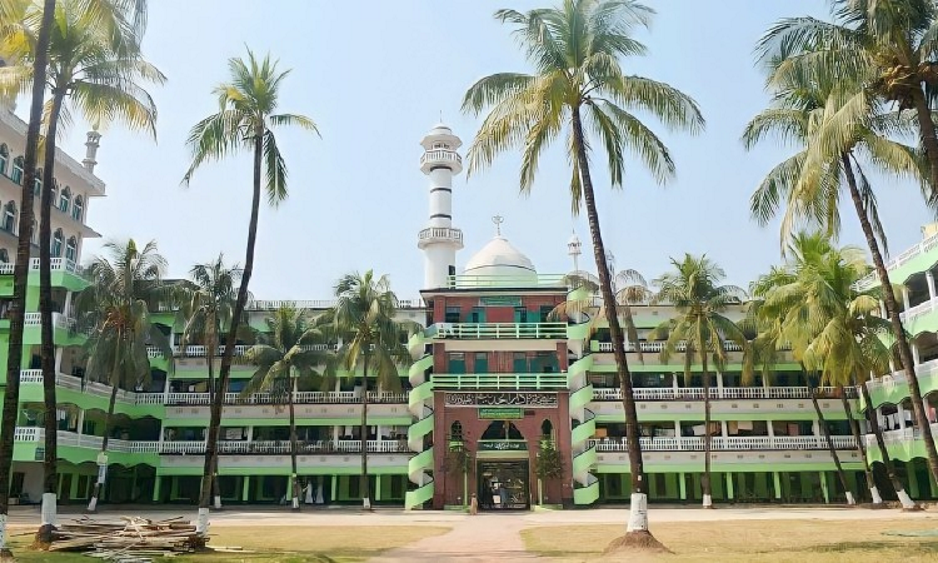
More than 7,000 students study here at any given time. They follow the dars‑e‑nizami curriculum, which focuses on Quran, Hadith, jurisprudence, and Arabic literature. This is the same curriculum used in the famous Darul Uloom Deoband in India.
A 2009 report by the National Bureau of Asian Research placed Darul Uloom Hathazari among the top ten madrasas in the subcontinent. Over the years, its graduates have gone on to lead other seminaries and shape religious discourse in Bangladesh.
Final Thoughts
Three organizations. Three definitions of education. HLP Social Square teaches digital skills that lead directly to employment. H.H. Rajahs College offers a traditional degree built on a royal foundation. Darul Uloom Hathazari preserves a centuries‑old religious curriculum that continues to shape communities.
Each is essential to the people it serves. Together, they remind us that education is not one thing. It is many things, tailored to many different lives.
About the Creator
Sibyl Grimes
I’m Sibyl Grimes, a physicist in quantum materials. By day I study complex systems; on my blog I share smart travel hacks, efficient planning tips, and ways to explore the world with a curious, analytical mindset.
Enjoyed the story? Support the Creator.
Subscribe for free to receive all their stories in your feed.
Comments
There are no comments for this story
Be the first to respond and start the conversation.