
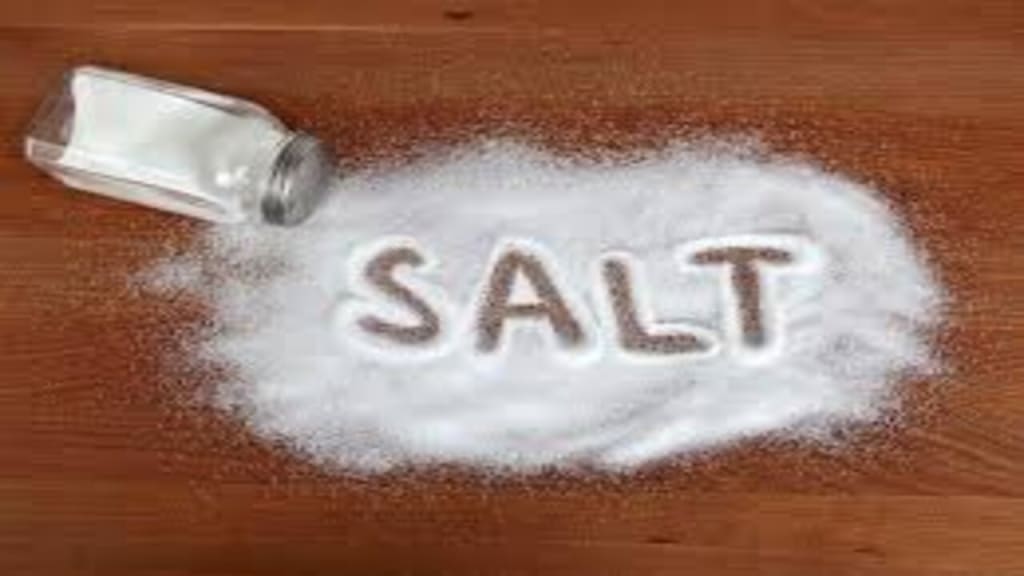
Salt consumption has increased by 50 percent over the past four decades in the United States. The average American consumes 3 400 milligrams of salt per day, which is nearly double the recommended amount. However, high salt intake is associated with high blood pressure, kidney disease, stroke, and heart disease. Thus, it is important to understand what happens if someone reduces their salt intake in an attempt to reduce these risks. First, we will discuss what happens when someone decreases their salt intake and then we will move on to discussing what would happen if they completely cut salt out of their diet. Major differences exist between reducing salt intake by a few hundred milligrams or decreasing it by a few thousand milligrams per day. After one week, people might not physically feel the difference but their body's blood pressure has already been lowered and their kidneys are responsible for this by regulating what is inside blood vessels. When dehydrated, your body sends a signal to lose water as well as retain fluids in the kidneys; all in an effort to maintain a healthy balance of water and salt between your cells and blood. Consuming too much salt can sometimes interfere with this process.
Salt consumption through the diet can lead to high blood pressure, which can have negative long-term consequences. By following a low-salt diet, you can help manage this risk. Recent studies have shown that stress increases blood pressure levels in people, and that reducing salt intake during stressful situations may reduce this surge. Further research is needed to examine this effect in humans.
Salt's role in anxiety and aggression has been shown to decrease after four weeks of reducing your sodium intake. One of the biggest trials looking at blood pressure and diet showed that high sodium increased bloating in a dose-dependent manner regardless of the type of diet. These short-term benefits are great, but salt’s real benefits come long term. Recently, 600 villages in rural China reduced their salt intake by substituting 30% of table salt with potassium chloride salt while it doesn’t taste the same. Potassium consumption on the other hand is typically under consumed. Proper intake can help regulate blood pressure. There are many benefits of reducing salt for those with hypertension.
Removing salt from your diet also alters the body physiology. In the nervous and muscular system, Salt helps to relax and contract muscle, relay nerve signals as well as transport nutrients from cells. Hyponatremia which is low concentration of sodium in the blood can cause damage just like hypernatremia, the body will try to balance the concentration of salt back to normal physiologic value by excreting more water which can lead to dehydration. Symptoms like extreme thirst, nausea and vomiting are seen, leading to more sodium being lost, this will lead to muscle twitches since salt is needed for muscle contraction and relaxation. Osmosis in brain cells will be set in by the end of a month of hyponatremia leading to seizure and Coma can even set in.
Finding a balance in salt intake will help our body physiologic function and reduce the risks of hypertension or any cardiovascular diseases as higher doses of sodium can be your worst enemy creating nightmares while an appropriate amount which is 2300milligrams a day can be your friend and promote your well being.
About the Creator
Enjoyed the story? Support the Creator.
Subscribe for free to receive all their stories in your feed.
Comments
There are no comments for this story
Be the first to respond and start the conversation.