
Russia-Ukraine War: Global Economic and Energy Crisis in April 2025 – A Three-Year Reckoning
Russia-Ukraine War

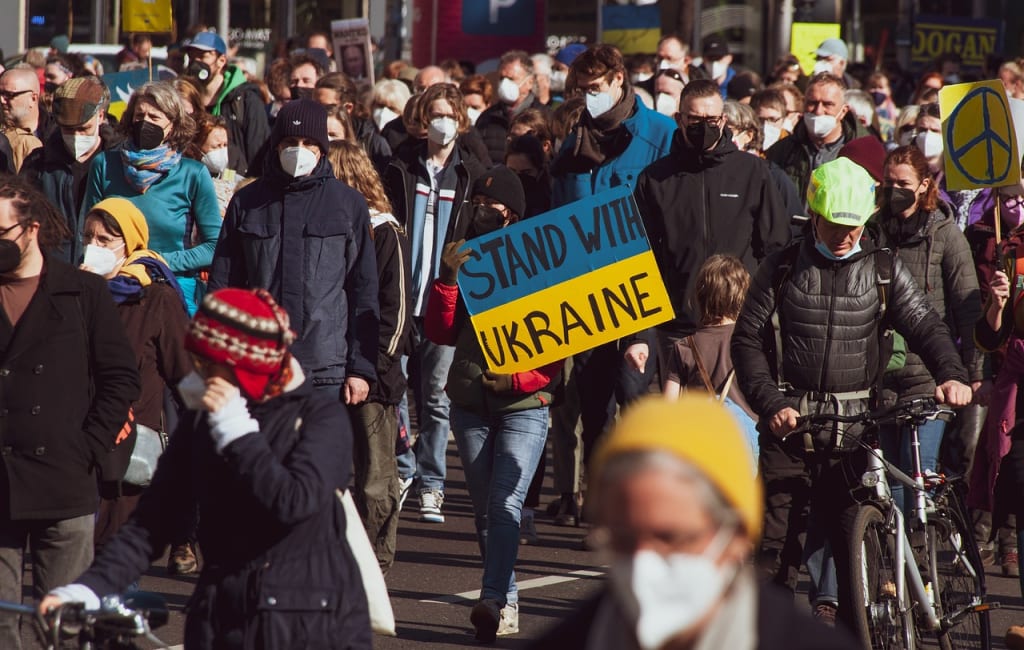
As the Russia-Ukraine War enters its fourth year in April 2025, the conflict’s ripple effects continue to reshape the global economy, energy markets, and geopolitical alliances. What began as a regional crisis has evolved into a protracted stalemate with profound consequences for food security, inflation, and energy transition efforts. Here’s an analysis of the latest developments and their worldwide impact. The War's Present Status Despite intermittent peace talks brokered by Turkey and China, frontline fighting persists in eastern Ukraine, particularly around Donetsk and Kharkiv. Both sides face severe manpower and resource shortages, with Ukraine relying on delayed Western military aid and Russia struggling under tightened sanctions. A controversial UN report in March 2025 revealed that over 500,000 soldiers and 30,000 civilians have died since 2022, making this Europe’s deadliest conflict since World War II. Global Economic Fallout 1. Supply Chains and Constraints: The EU’s 12th sanctions package (February 2025) banned imports of Russian diamonds and liquefied natural gas (LNG), further isolating Moscow. But Russia's economy has changed, and trade now goes to India, China, and Africa. The IMF estimates Russia’s GDP contracted by 3.2% in 2024, but rising oil prices and clandestine tech imports have softened the blow. - Fragmented global supply chains continue. Ukraine’s agricultural exports, once 10% of the world’s wheat, are at 40% of pre-war levels due to Black Sea mining and Russian blockades. Egypt and Somalia still depend on costly grain imports from Brazil and Australia. 2. Inflation and Recession Risks : - The U.S. and Eurozone inflation rates hover around 4-5% in 2025, driven by energy costs and defense spending. In the first quarter of 2025, Germany narrowly escaped a recession; however, the yen crisis in Japan and Argentina's default highlight global fragility. - Developing nations face debt crises. Sri Lanka, Pakistan, and Ghana received IMF bailouts tied to austerity measures, sparking protests. 3. Tech and Manufacturing Shifts: - Semiconductor shortages worsened after Ukraine’s neon exports (critical for chipmaking) halted. The U.S. China's SMIC now supplies 28% of global chips, up from 7% in 2022, as a result of the CHIPS Act's acceleration of domestic production. --- Energy Crisis: New Realities 1. The Energy Transition in Europe: - The EU achieved 60% renewable energy usage by 2025, up from 22% in 2021, driven by wind, solar, and nuclear investments. However, winter 2024 saw gas prices spike after sabotage of Norway’s Baltic Pipe. - LNG imports from the U.S. and Qatar now cover 35% of EU demand, but critics warn of long-term dependency. 2. Russia’s Energy Gambit: - Russia’s oil revenue dropped 45% since 2022, but it remains the world’s third-largest producer. To avoid sanctions, a covert fleet of tankers sells discounted Urals crude to China and Indonesia. The Arctic LNG 2 project, which was halted by sanctions, resumed in 2024 with Chinese funding, thereby strengthening energy ties between Beijing and Moscow. 3. OPEC+ and Global Prices: - OPEC+ extended production cuts into 2025, keeping Brent crude near $95/barrel. The U.S. released 50 million barrels from its Strategic Petroleum Reserve to stabilize markets ahead of the 2024 election. Humanitarian and Climate Costs Refugee Crisis: 3.5 million Russians have fled conscription or economic hardship, while over 8 million Ukrainians remain displaced. - **Climate Impact**: The war’s carbon footprint—from military emissions to forest fires—exceeds 400 million tons, equal to the UK’s annual output. Future Outlook 1. Diplomacy: China’s 2025 peace roadmap proposes a demilitarized zone and sanctions relief, but NATO rejects terms allowing Russia to retain occupied territories. 2. Energy: The EU aims for 80% renewables by 2030, while AI-driven grids and hydrogen projects gain traction. 3. Economy: The World Bank warns of a “lost decade” for emerging markets unless debt restructuring and green investments accelerate. Conclusion Three years into the Russia-Ukraine War, the world grapples with a new normal of fragmented trade, energy insecurity, and eroded multilateralism. The human cost highlights the urgency of a sustainable solution as Europe accelerates its green transition and Asia navigates a shifting power balance. "This war has no winners—only a planet paying the price," declared UN Secretary-General António Guterres in April 2025. — Reported with inputs from IMF, IEA, and UN datasets as of April 2025.
About the Creator
Enjoyed the story? Support the Creator.
Subscribe for free to receive all their stories in your feed.
Comments
There are no comments for this story
Be the first to respond and start the conversation.