
Role of Good Bacteria in Healthy food
Nourishing Your Body: How Healthy Foods and Good Bacteria Work Together
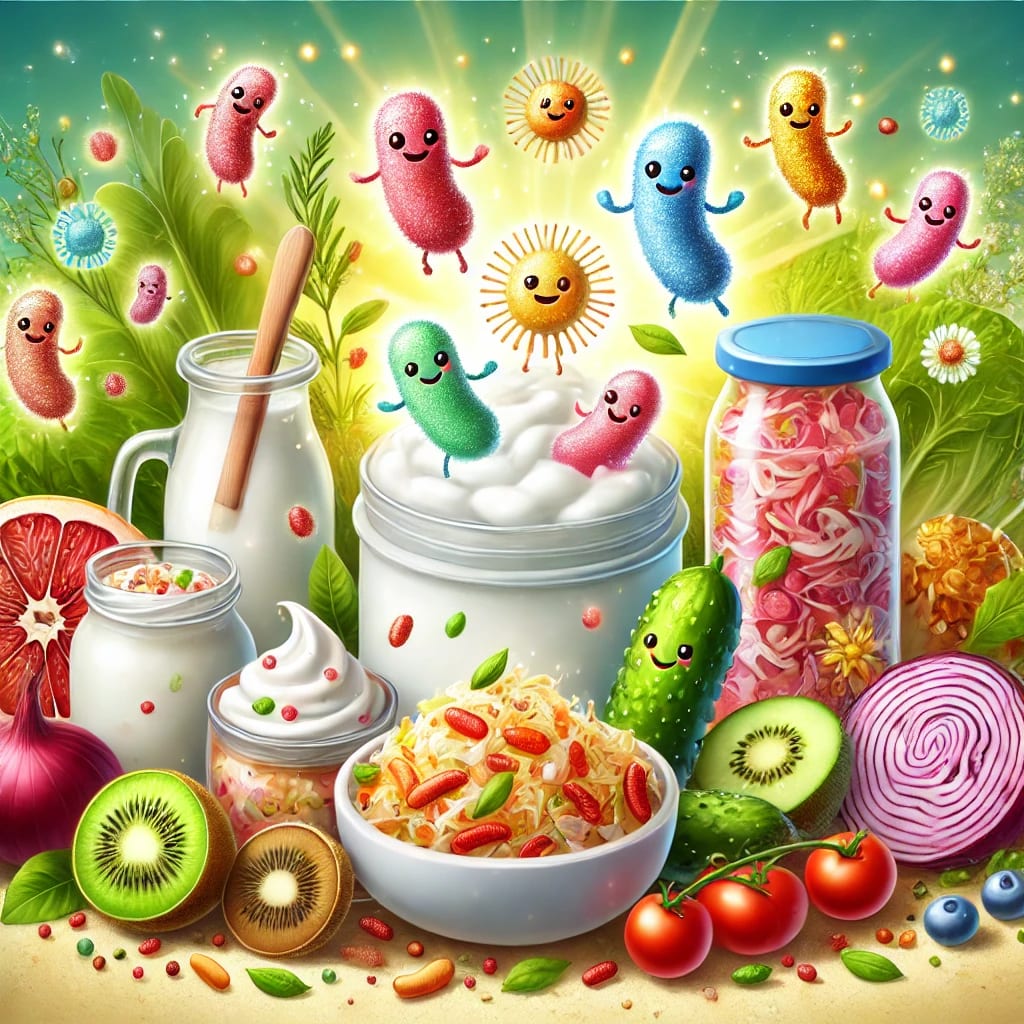
Healthy food is essential for maintaining good health and well-being. It includes a variety of nutrient-rich foods, such as:
Fruits and Vegetables: Packed with vitamins, minerals, antioxidants, and fiber, they help boost immunity, improve digestion, and prevent chronic diseases.
Whole Grains: Foods like oats, brown rice, quinoa, and whole wheat provide complex carbohydrates and fiber, which support digestive health and keep you feeling full longer.
Lean Proteins: Sources such as chicken, fish, beans, and nuts offer essential amino acids that help build and repair body tissues.
Healthy Fats: Found in foods like avocados, olive oil, nuts, and seeds, these fats support brain function and heart health.
Dairy or Dairy Alternatives: Provide calcium and vitamin D for strong bones and teeth.
Good bacteria (also known as probiotics) are beneficial microorganisms that can improve gut health. These bacteria support digestion by balancing the gut microbiome, which can help with the absorption of nutrients and reduce inflammation. Some foods rich in good bacteria include:
Yogurt and Kefir: Fermented dairy products that contain live cultures of probiotics.
Sauerkraut, Kimchi, and Pickles: Fermented vegetables that promote healthy gut flora.
Miso and Tempeh: Fermented soy-based foods rich in probiotics.
Kombucha: A fermented tea that contains beneficial bacteria.
Benefits of Healthy Food:
Boosts Immunity: Nutrient-rich foods such as fruits, vegetables, and whole grains are packed with vitamins and minerals that strengthen the immune system, helping the body fight off infections and illnesses.
Improves Digestion: Fiber from fruits, vegetables, legumes, and whole grains promotes healthy digestion and regular bowel movements. It also helps feed the good bacteria in your gut.
Promotes Heart Health: Eating foods rich in antioxidants, healthy fats, and fiber, like nuts, seeds, and fatty fish (salmon, mackerel), can lower the risk of heart disease by reducing cholesterol levels and improving blood circulation.
Supports Mental Health: A balanced diet influences brain function. Foods rich in omega-3 fatty acids, such as fish and flaxseeds, along with fruits and vegetables high in antioxidants, can reduce stress and improve cognitive function.
Helps Maintain a Healthy Weight: A diet rich in whole, unprocessed foods supports metabolism and helps regulate hunger and cravings, reducing the risk of overeating.
Reduces Inflammation: Certain foods like leafy greens, berries, nuts, and fatty fish have anti-inflammatory properties that help reduce the risk of chronic conditions such as arthritis, diabetes, and heart disease.
Role of Good Bacteria (Probiotics):
Good bacteria (probiotics) are crucial in maintaining gut health and offer several additional benefits:
Aid Digestion: Probiotics help break down food and absorb nutrients more efficiently, preventing digestive discomfort like bloating, gas, or constipation. They also help balance gut flora, supporting a healthy digestive system.
Boost Immune Function: About 70% of the immune system is located in the gut. Probiotics play a significant role in activating the immune system, helping protect the body from harmful pathogens and reducing inflammation.
Prevent and Manage Diarrhea: Probiotics are often used to prevent or treat diarrhea caused by infections, antibiotics, or digestive disorders like IBS. They restore balance to the gut microbiota.
Mental Health: The gut-brain axis refers to the connection between the digestive system and the brain. Probiotics have been shown to improve mood and reduce symptoms of anxiety and depression by balancing gut bacteria, which can affect the production of neurotransmitters like serotonin.
Skin Health: A balanced gut microbiome can lead to healthier skin, reducing inflammation that causes acne, eczema, or rosacea.
Support Weight Loss: Some studies suggest that probiotics might influence weight regulation by improving the body’s ability to absorb nutrients and control fat storage, though more research is needed in this area.
Prebiotics and Their Role:
Prebiotics are non-digestible fibers found in foods like garlic, onions, bananas, asparagus, and whole grains that feed the beneficial bacteria in your gut. They support the growth and activity of probiotics and enhance their health benefits. A diet rich in prebiotics and probiotics helps maintain a healthy, balanced gut microbiome.
Common Probiotic-Rich Foods:
Yogurt: Choose plain, unsweetened yogurt with live cultures.
Kefir: A fermented milk drink similar to yogurt but with a wider variety of bacteria.
Kimchi: Spicy fermented Korean vegetables, typically cabbage.
Sauerkraut: Fermented cabbage, rich in probiotics.
Pickles: Naturally fermented cucumbers (avoid those made with vinegar).
Tempeh: Fermented soybeans, rich in protein and probiotics.
Miso: A fermented soybean paste commonly used in soups.
Maintaining a Healthy Gut:
Incorporating a variety of fiber-rich foods and probiotic-rich items into your diet, along with reducing the intake of processed foods, sugar, and unhealthy fats, helps maintain a balanced gut microbiome and overall health. Regular exercise and staying hydrated also support gut health.
Healthy food and good bacteria work hand in hand to keep your body functioning at its best, benefiting everything from digestion to mental health.
About the Creator
Enjoyed the story? Support the Creator.
Subscribe for free to receive all their stories in your feed.
Comments